
Choosing the right car seat cushion material is a balance of daily comfort, local climate demands, and maintenance habits. For drivers seeking a premium aesthetic and quick spill cleanup, a leather car seat cushion is often a popular choice, though it can retain heat in warm weather. Fabric cushions offer balanced temperature regulation and a softer feel but require more effort to clean when stained. Breathable mesh cushions provide a high level of airflow to combat back sweat, though they lean toward a utilitarian design with firmer support. Identifying your specific driving conditions and safety requirements will guide you to the material that fits your daily commute.
Identifying Your Primary Needs for Seat Cushions
Evaluating your daily driving environment is the first step in selecting the most suitable seat cushion material. In tropical climates like Singapore, where high heat and humidity are constant, heat retention becomes a primary concern. A cushion that traps body heat can quickly turn a short commute into an uncomfortable, sweaty experience. Therefore, understanding how different materials react to ambient temperature is crucial before making a purchase.
Your daily passenger profile and lifestyle also dictate the most appropriate material choice. If you frequently travel with young children or pets, your seats are highly susceptible to spills, crumbs, and claw scratches. Similarly, if your daily routine involves wearing heavy workwear, tools, or clothing with sharp metal rivets, the cushion surface must withstand constant abrasion. Assessing these daily wear factors helps prevent premature damage to your investment.
Products mentioned in this guide
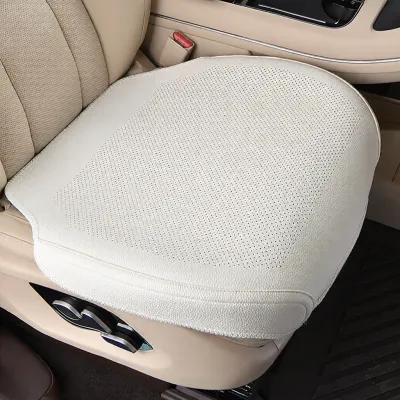
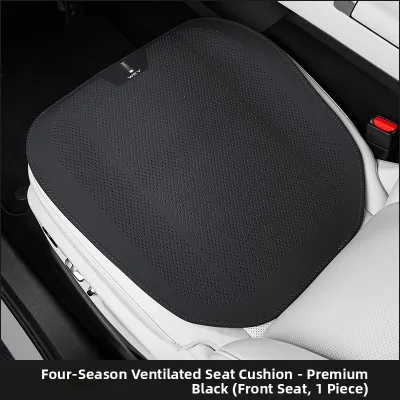
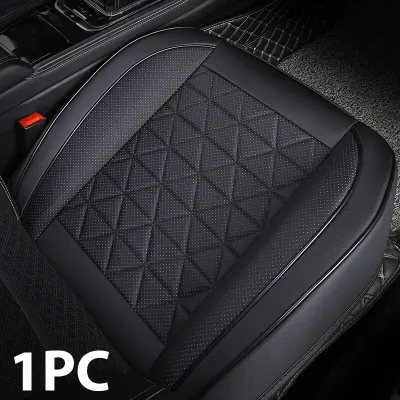
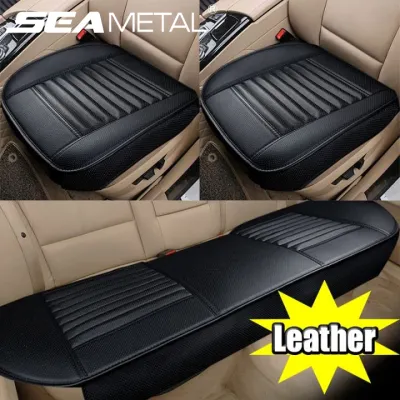
![[SG stock] Car Seat Cover PU Leather Interior Protector Mats Cushion 5 Seaters Chair Seatcover Pad for SUV Sedan Truck](https://img.lazcdn.com/g/p/548acff8a545394730a99559de273591.jpg_400x400q80.jpg_.webp)
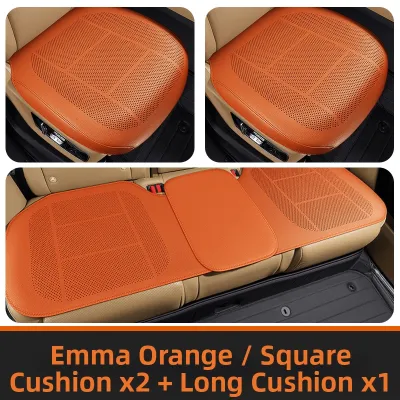
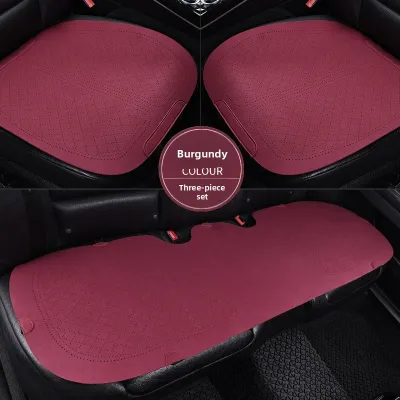
Prices are valid at publication and may change. Please refer to the product page for the latest price.
Maintenance tolerance is another critical factor to weigh honestly. Some drivers enjoy spending time detailing their car interiors, while others prefer a hands-off approach. Leather requires periodic conditioning to maintain its suppleness, whereas fabric cushions may need regular vacuuming or machine washing to stay fresh. Mesh cushions, on the other hand, often require minimal surface care but can collect dust in the gaps beneath the frame.
Finally, establish a realistic budget that accounts for both upfront costs and long-term durability. While synthetic materials and basic fabrics offer an affordable entry point, they may require more frequent replacement due to wear. Investing in high-quality genuine leather or specialized ergonomic mesh might carry a higher initial cost, but these materials often provide better longevity when maintained correctly. Balancing these factors ensures you select a cushion that fits both your wallet and your lifestyle.
Verifying Seat Safety and Compatibility Before Choosing
Before focusing on comfort or aesthetics, you must establish non-negotiable safety boundaries for any aftermarket seat accessory. Your vehicle’s seats are integrated safety systems housing side-impact airbags, weight sensors, and seatbelt pre-tensioners. Always consult your vehicle owner’s manual and check the cushion’s product labels to confirm side-airbag compatibility. Installing a cushion or cover that blocks the designated airbag deployment zones can severely compromise passenger safety in an accident.

Always verify the specific dimensions, mounting positions, and compatibility with your vehicle’s exact model and year using the product documentation rather than assuming a universal fit. Compatibility with built-in seat features is equally important for both comfort and vehicle health. If your car features integrated seat heaters or active ventilation systems, placing a thick, solid cushion on top can insulate the heat or completely block the cooling airflow. This not only renders your vehicle’s features useless but can also cause seat heating elements to overheat. Always verify that the cushion’s backing and core material are designed to allow heat or air to pass through safely.
During installation, perform a thorough physical check of how the cushion attaches to the seat. Ensure that all straps, hooks, buckles, or non-slip backings do not interfere with the seat adjustment tracks or power seat motors. The cushion must not obstruct the seatbelt buckle or prevent the seatbelt from tensioning correctly across your lap and shoulder.
If you notice the cushion shifting, sliding, or bunching up when you enter or exit the vehicle, stop using it immediately. A loose cushion can slide forward during sudden braking, potentially interfering with your ability to reach the pedals safely. If you are unsure about the fit or mounting security, consult your vehicle manufacturer or a qualified automotive professional before driving.
Evaluating Leather Car Seat Cushions
A leather car seat cushion is highly favored by drivers who want to maintain or upgrade their vehicle’s premium interior aesthetic. The smooth, sophisticated texture of leather blends seamlessly with luxury cabins, providing a clean and cohesive look. Beyond appearance, the primary practical benefit of leather is its excellent resistance to liquid spills. If you accidentally spill coffee, water, or juice, the liquid pools on the surface, allowing you to wipe it away quickly before it stains or penetrates the underlying foam.
However, leather presents distinct comfort trade-offs, particularly in warm and humid climates. Non-perforated leather surfaces tend to trap body heat and block natural perspiration, which can lead to a sticky, uncomfortable sensation during extended drives. While perforated leather or synthetic alternatives offer slightly improved breathability, they still retain significantly more heat than fabric or mesh options when parked under direct sunlight.
To prevent your leather car seat cushion from deteriorating, you must commit to regular maintenance. Exposure to UV rays and cabin heat can cause both genuine and synthetic leather to dry out, fade, and eventually crack or peel. To prevent this, you must periodically apply specialized leather conditioners. Always ensure you use only label-authorized cleaners and conditioners, as harsh household chemicals can strip away the material’s protective top coat and accelerate damage.
Durability is also highly dependent on how you use your vehicle. While leather is highly resilient against liquid stains, it is vulnerable to physical punctures and scratches. Pet claws, keys, pocket knives, or even sharp metal rivets on denim jeans can leave permanent marks on the surface. When choosing between genuine leather and synthetic options like polyurethane (PU) or polyvinyl chloride (PVC), consider that genuine leather offers superior long-term durability and a classic feel but requires more meticulous care, whereas synthetic options are more budget-friendly but may wear out faster under heavy daily use.
Evaluating Fabric Car Seat Cushions
Fabric car seat cushions are an excellent choice for drivers prioritizing everyday comfort and temperature regulation. Unlike leather, fabric does not absorb and retain extreme heat when your vehicle is parked in the sun. This means the seat remains comfortable to sit on immediately, without the need to wait for the air conditioning to cool down the cabin. The soft, woven texture of fabric also provides a cozy, cushioned feel that many drivers find more inviting than firmer materials.
The main challenge with fabric cushions is their susceptibility to stains, spills, and odors. Because fabric is porous, spilled liquids are quickly absorbed into the fibers and the inner padding, making immediate cleanup difficult. Over time, accumulated sweat, dirt, and food spills can lead to unpleasant odors and deep-set stains. To mitigate this, always check if the cushion features a removable, machine-washable cover, which makes keeping the interior clean and hygienic much easier.
Wear and tear on fabric cushions typically manifests as pilling, fading, and seam fraying. Constant friction from entering and exiting the vehicle can cause the fabric fibers to break and form small balls on the surface. Additionally, prolonged exposure to sunlight through the car windows can cause the colors to fade over time. Choosing high-density, tightly woven fabrics can help extend the cushion’s lifespan and maintain its appearance.
From a financial perspective, fabric cushions are highly accessible and offer great budget flexibility. They are available in a vast array of colors, patterns, textures, and thicknesses, allowing you to easily customize your driving environment. This affordability makes fabric an attractive option for drivers who want a practical, comfortable solution without making a significant financial commitment.
Evaluating Breathable Mesh Car Seat Cushions
Breathable mesh car seat cushions are engineered specifically to address the challenges of driving in hot and humid conditions. By utilizing an open-weave, porous structure, these cushions allow air to circulate freely between your body and the seat back. This continuous airflow helps dissipate body heat and moisture, making mesh a highly effective material for preventing back sweat and keeping you cool during long commutes.
In terms of support, mesh cushions differ significantly from traditional foam-filled options. Instead of relying on thick padding, they often use a high-tension mesh stretched over a semi-rigid or flexible frame. This design is highly ergonomic, as it conforms to the natural curve of your spine and distributes your body weight evenly to reduce pressure points. However, drivers accustomed to plush, sinking comfort may find the firm, suspended feel of a mesh cushion takes some time to get used to.
Durability is a key consideration when evaluating mesh cushions. Over time, the constant tension placed on the mesh can cause the material to stretch, sag, or lose its supportive shape, especially on lower-quality models. Additionally, the open-weave design is vulnerable to snagging on sharp objects like keys, pens, or rough clothing fasteners. Once a thread snags or tears, the structural integrity of the mesh can quickly degrade, leading to further unraveling.
Aesthetically, mesh cushions have a distinct, utilitarian appearance that resembles modern office chairs. They do not offer the classic, integrated look of leather or the cozy warmth of fabric, and they may stand out visually in luxury or highly styled car interiors. If visual cohesion is important to you, you will need to weigh the cooling performance of mesh against how its industrial look fits with your vehicle’s cabin design.
Comparing Material Trade-Offs at a Glance
To help you make an informed decision, the table below summarizes the key characteristics of leather, fabric, and breathable mesh car seat cushions. Always cross-verify these traits with your personal driving habits, climate, and vehicle specifications before purchasing.
| Feature | Leather Cushions | Fabric Cushions | Breathable Mesh Cushions |
|---|---|---|---|
| Heat Retention | High (especially non-perforated) | Low to Moderate | Very Low |
| Spill Resistance | High (wipes clean easily) | Low (absorbs liquids quickly) | Moderate (liquids pass through) |
| Maintenance Effort | Moderate (requires conditioning) | High (requires washing/vacuuming) | Low (requires occasional wiping) |
| Durability Risks | Cracking, scratching, peeling | Pilling, fading, staining | Sagging, snagging, tearing |
| Relative Cost | Moderate to High | Low to Moderate | Low to Moderate |
| Well Suited For | Drivers seeking luxury and easy spill cleanup | Budget-conscious drivers wanting soft comfort | Commuters in hot climates needing maximum airflow |
| Verify Before Buying | Airbag compatibility, care label instructions | Removable cover, machine-wash safety | Frame dimensions, seat track clearance |
When finalizing your choice, remember that safety must always come first. No matter which material you select—whether it is a premium leather car seat cushion, a soft fabric option, or a highly ventilated mesh support—ensure it is fully compatible with your vehicle’s side airbags and seat adjustment mechanisms. By matching the material’s strengths to your daily maintenance habits and local climate, you will enjoy a more comfortable, safe, and durable driving experience.

Community discussion
Share your experience or ask a question. Comments are reviewed before publication.