
Selecting the ideal car seat cover or standalone car cushion requires balancing daily driving habits, local climate conditions, and maintenance preferences. For drivers seeking a premium aesthetic and effortless cleanup, leather or high-grade synthetic leather serves as an excellent choice. If everyday comfort, temperature neutrality, and budget-friendly versatility are your primary goals, classic woven fabric covers offer a reliable solution. Meanwhile, those navigating hot, humid climates often find that breathable mesh covers provide the targeted airflow necessary to prevent discomfort during long commutes.
Before making a final decision, you must verify whether your vehicle features side-impact airbags integrated into the seats, active heating or cooling systems, or specialized factory upholstery that requires specific care. It is also important to distinguish between a full seat cover, which wraps around the entire seat structure for comprehensive protection, and a standalone car cushion, which is designed primarily to provide localized padding and targeted support for the driver or passengers.
Core Comparison: Comfort, Maintenance, and Durability
Evaluating how these materials perform under daily use involves looking closely at their physical structures and how they interact with your vehicle’s cabin environment. Temperature retention is a primary differentiator, especially when a vehicle is parked under direct sunlight. Leather surfaces tend to absorb and retain heat rapidly, often becoming uncomfortably hot to the touch, whereas woven fabrics remain relatively temperature-neutral. Breathable mesh excels in this category by utilizing an open-weave structure that allows continuous air circulation, preventing heat from becoming trapped between your body and the seat.
Products mentioned in this guide
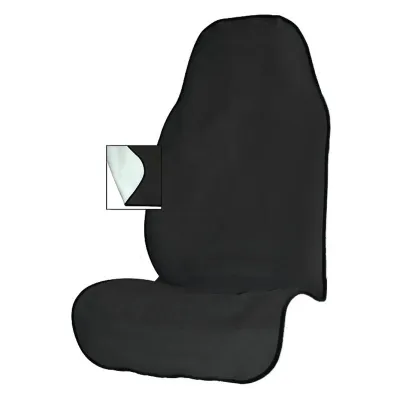
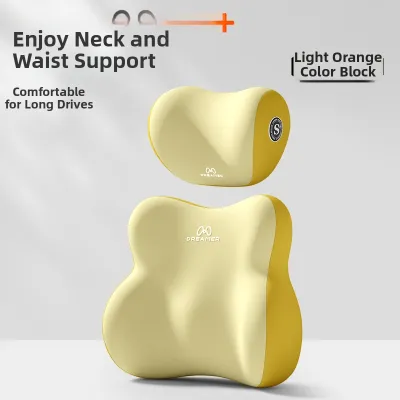
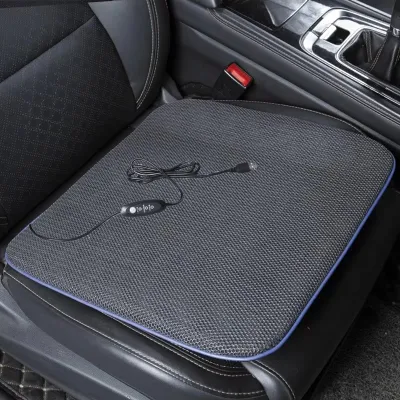
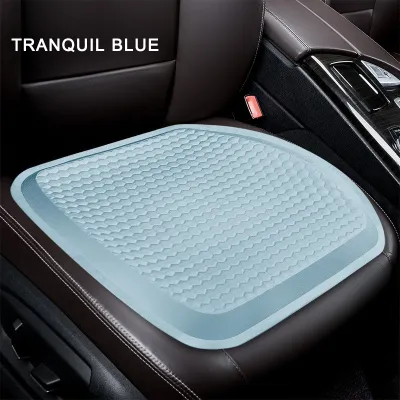
![[SG INSTOCK] Seat Cushion Memory Foam Orthopedic Pressure Relief Car Home Soft Office Chair Pad Wheelchair for Tailbone Sciatica Back Pain Relief](https://img.lazcdn.com/g/p/005adf43d933a7c5edf0e3585d56492d.jpg_400x400q80.jpg_.webp)
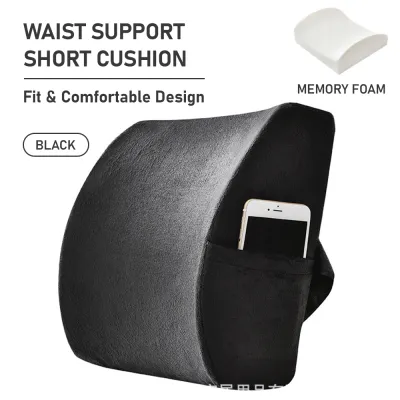
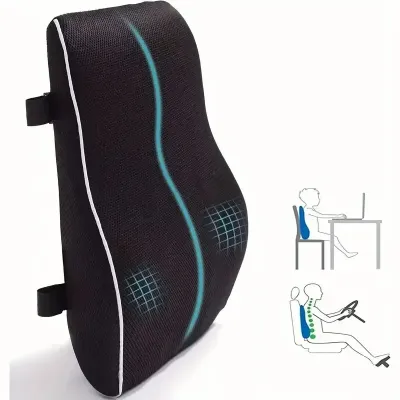
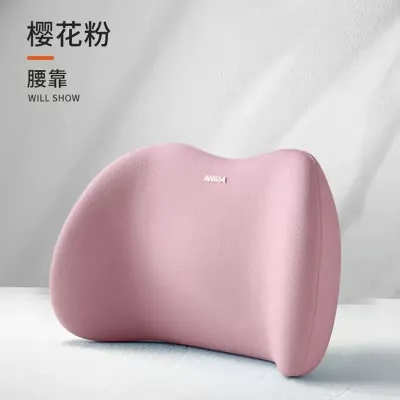
Prices are valid at publication and may change. Please refer to the product page for the latest price.
Routine maintenance workflows also vary significantly depending on the material’s porosity. Non-porous surfaces like leather and synthetic leather allow you to wipe away liquid spills, dust, and dirt immediately with a damp cloth, making them highly practical for families or ride-share drivers. Woven fabrics, by contrast, tend to absorb liquids quickly, requiring prompt vacuuming, spot-cleaning, or even complete removal for machine washing to prevent deep-set stains and lingering odors. Mesh covers fall somewhere in between; while they do not absorb liquids as deeply as fabric, their open gaps can trap small crumbs and debris, requiring regular vacuuming or shaking out to keep clean.
When assessing long-term durability, you should inspect the physical wear indicators and check the manufacturer’s product labels for specific performance ratings. Look for indicators of material thickness, seam reinforcement, and UV resistance, which is particularly crucial for preventing premature fading and cracking in sunny regions. High-quality covers often feature abrasion-resistance ratings on their packaging, helping you gauge how well the material will withstand the friction of daily entry and exit over several years.
Material Breakdown: What to Check Before Buying
To make an informed purchase, you must know what specific structural details and product labels to look for when evaluating each material option.

Leather and Synthetic Leather Covers
When shopping for leather options, it is essential to distinguish between genuine leather and synthetic alternatives like polyurethane (PU) or polyvinyl chloride (PVC). Genuine leather typically features a distinct natural scent, irregular grain patterns, and a higher price point (often exceeding S$150 for premium options), whereas synthetic options offer uniform patterns, greater water resistance, and more budget-friendly pricing. You can verify the material type by checking the product tags for terms like “100% top-grain leather” or “premium faux leather,” and by inspecting the backing material, as synthetic options often use a fabric or polyester mesh backing.
If you prefer the look of leather but worry about heat retention, look specifically for perforated leather designs. These covers feature tiny, evenly spaced puncture holes across the center panels, which significantly improve breathability and allow heat to dissipate more quickly than solid leather sheets. Additionally, check the manufacturer’s care instructions to ensure the material is compatible with standard automotive leather conditioners, and avoid using harsh chemical cleaners or household detergents that can strip away protective coatings and cause premature cracking.
Fabric and Cloth Covers
Fabric seat covers and car cushions are available in a wide variety of weaves, ranging from lightweight polyester to heavy-duty canvas and neoprene. The density of the weave directly impacts how the cover handles daily wear; tighter weaves generally offer better resistance to snagging and slower liquid absorption, giving you more time to wipe away a spill before it sinks into the cushion. Conversely, looser weaves may feel softer and more breathable but can trap dirt and pet hair more easily.
To simplify maintenance, look for fabric covers that feature factory-applied stain-resistant treatments, such as hydrophobic coatings that cause liquids to bead up on the surface. Many modern fabric designs also incorporate removable, machine-washable outer layers, which are highly convenient for maintaining a fresh cabin environment. Before purchasing, check the product specifications to verify colorfastness ratings to ensure the dye will not transfer onto your clothing or fade rapidly under intense sunlight, and inspect the structural seam strength to ensure the cover will not split under tension.
Breathable Mesh Covers
Breathable mesh covers are engineered primarily to maximize airflow, making them an excellent choice for drivers who experience discomfort from back sweat during long journeys. The open-weave structure of mesh allows air to flow freely behind your back and under your thighs, creating a cooling effect that solid materials cannot replicate. However, because of this open structure, mesh covers provide minimal protection against liquid spills and offer less built-in padding, meaning they are often used in combination with a supportive inner foam layer.
When evaluating a mesh cover or car cushion, carefully inspect the backing layer that comes into direct contact with your original car seat. The backing should be smooth or equipped with a soft, non-abrasive lining to prevent it from scratching or wearing down your factory upholstery over time. Furthermore, pay close attention to the edge binding and overall structural integrity of the mesh panels; high-quality options feature double-stitched borders and reinforced borders to prevent the mesh from fraying or pulling apart at the seams during installation and daily adjustments.
Verifying Fit, Airbag Compatibility, and Safety
While aesthetics and comfort are important, vehicle safety must always be your primary consideration when selecting and installing any seat cover or car cushion. Modern vehicles are frequently equipped with side-impact airbags housed within the outer edges of the front seatbacks. Installing an incompatible or poorly designed seat cover can delay or completely block the deployment of these critical safety devices during a collision. To prevent this hazard, you must strictly verify that the product is certified as side-airbag compatible, looking for official tags, labels, or documented testing certifications from the manufacturer, and ensuring the cover features specialized, low-tension tear seams designed to break open instantly when an airbag deploys.
Beyond airbag safety, you must ensure that the seat cover or car cushion does not interfere with the proper operation of other essential vehicle controls and safety systems. Once positioned, the cover must not obstruct access to seatbelt buckles, ISOFIX child seat anchors, or manual and electronic seat adjustment controls. A cover that slides over a buckle or jams an adjustment lever can compromise passenger safety and driver ergonomics, making it vital to test all seat functions immediately after fitting the product.
Always consult your vehicle’s owner manual to understand the specific layout of your seats, including any integrated sensors, heating elements, or ventilation ducts, before proceeding with an installation. Carefully read the seat cover manufacturer’s step-by-step instructions, and ensure all straps, hooks, and anchors are secured tightly according to the specified mounting positions. If you encounter any difficulty during the installation process, or if the cover appears to block a safety feature or sensor, stop immediately and seek professional guidance from a qualified automotive technician or upholstery specialist before driving the vehicle.
Frequently Asked Questions (FAQ)
Can I use a fabric car cushion on top of leather seats?
Yes, you can use a fabric car cushion on top of leather seats, but you must take specific precautions to prevent slipping and material damage. Because leather is naturally smooth and low-friction, a standard fabric cushion may slide around during acceleration, braking, or cornering, which can distract the driver and compromise safety. To prevent this, select a cushion equipped with a high-quality non-slip backing or secure anchor straps that wrap firmly around the seat frame. Additionally, verify that the cushion’s backing material is explicitly labeled as safe for leather finishes, as some low-grade rubberized or silicone backings can react chemically with leather conditioners, leading to permanent discoloration, staining, or scratching of the leather surface.
Do mesh seat covers work with heated or cooled car seats?
Mesh seat covers can work exceptionally well with climate-controlled seats, but their effectiveness depends heavily on their internal construction. While the open-weave surface of mesh naturally allows conditioned air and heat to pass through, some mesh covers feature thick foam backings, dense structural layers, or solid plastic frames that can block airflow or insulate against heating elements. To ensure you do not lose the benefits of your vehicle’s built-in heating or cooling systems, look for mesh covers specifically designed and labeled for use with climate-controlled seats. Always verify the manufacturer’s specifications to confirm that the cover’s backing material is thin and breathable enough to let air and heat transfer efficiently into the cabin.

Community discussion
Share your experience or ask a question. Comments are reviewed before publication.