
Choosing the right car headrest cover depends on balancing your local climate, daily driving habits, and how much effort you want to put into maintenance. There is no single material that outperforms the others in every category. Leather offers a premium look and effortless wipe-clean maintenance but can retain heat in warm weather. Fabric provides excellent temperature neutrality and a soft feel but absorbs sweat and spills, requiring regular washing. Mesh delivers excellent ventilation for hot commutes but lacks thick cushioning and is more susceptible to physical snags. By evaluating how you use your vehicle, you can select the material that keeps your cabin comfortable and clean.
Identifying Your Core Needs: Comfort, Durability, and Maintenance
Before browsing online marketplaces or local automotive shops, define your non-negotiable requirements. Consider your daily driving duration and typical cabin temperatures. If you frequently park under the sun or embark on long commutes, breathability becomes a primary comfort factor. A sweaty neck during a long drive can quickly turn an enjoyable commute into an uncomfortable experience.
Next, assess your willingness to perform regular deep cleaning. Some drivers prefer a quick wipe-down during a fuel stop, while others do not mind removing covers for a machine wash. Your choice of material should align with your routine maintenance habits to prevent dirt accumulation.
Products mentioned in this guide
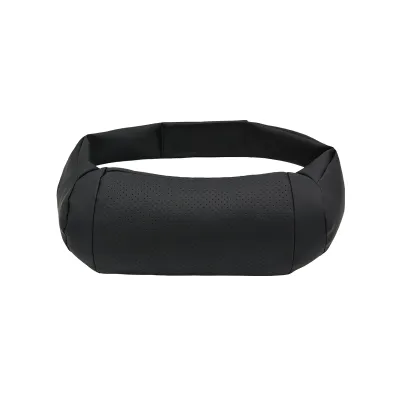
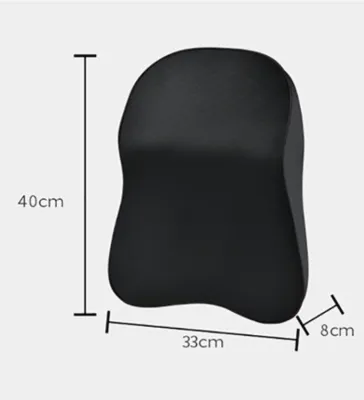
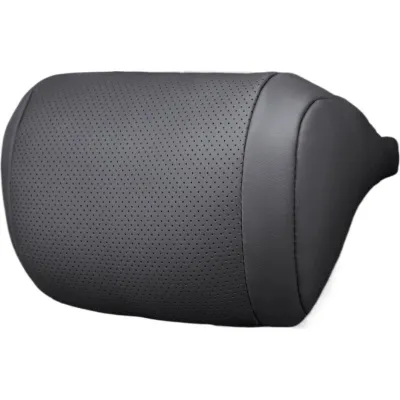
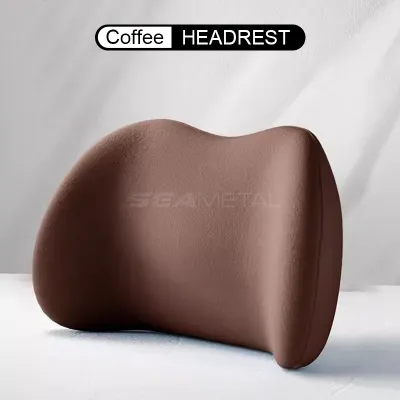
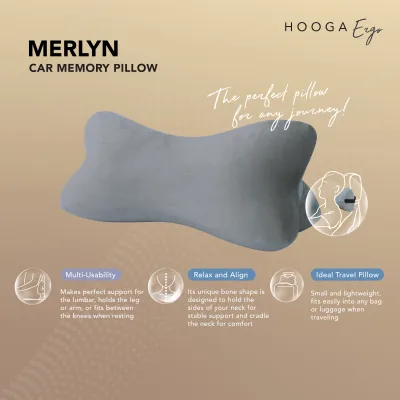
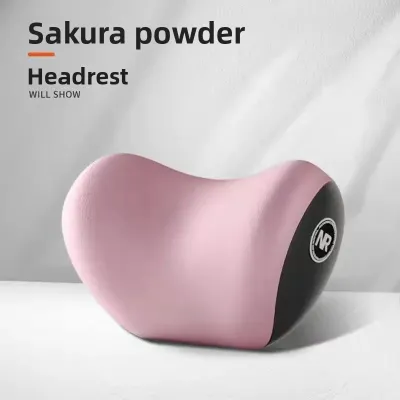
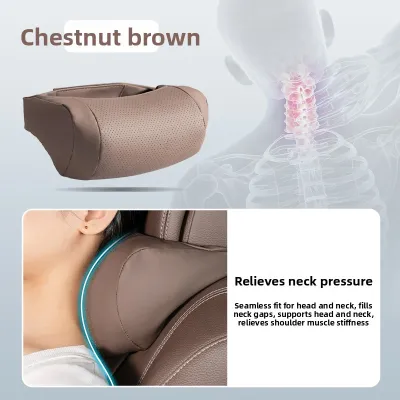

Prices are valid at publication and may change. Please refer to the product page for the latest price.
Finally, consider who else rides in your vehicle. If you regularly transport children, pets, or outdoor gear, your headrests will face increased exposure to spills, mud, and sharp claws. In these scenarios, prioritizing stain resistance and physical durability will save you from premature wear and tear.
Evaluating Leather Headrest Covers
Leather and synthetic leather headrest covers are highly favored for their sleek appearance and practical spill resistance. The primary advantage of these materials is their wipe-clean surface. If you spill a beverage or get dirt on the cover, a quick wipe with a damp cloth is usually all it takes to restore its appearance.

However, leather surfaces can retain significant heat, especially when your vehicle is parked in direct sunlight. In warm climates, this can lead to a hot, sticky sensation against your neck and head during the first few minutes of driving. Additionally, you must check the product label for specific care instructions, as some synthetic or genuine leathers require specialized conditioners to prevent drying and cracking over time. Always use care products only for their label-authorized uses; a material name alone does not prove a cleaner is safe for your specific leather, synthetic surface, or surrounding plastic trim.
When shopping, always verify the product label regarding material composition. Genuine leather, polyurethane (PU) leather, and polyvinyl chloride (PVC) alternatives have different textures, lifespans, and care requirements. Understanding exactly what material you are purchasing ensures you use the correct cleaning products and maintain the cover’s appearance.
Evaluating Fabric Headrest Covers
Fabric headrest covers offer a soft, familiar texture that remains temperature-neutral regardless of the weather. Unlike leather, fabric does not become scorching hot in the summer or freezing cold in the winter. This makes it an excellent choice for drivers who prioritize immediate comfort when entering their vehicle.
The main trade-off with fabric is its tendency to absorb sweat, hair oils, body lotions, and odors. Over time, these substances can build up, requiring you to remove the covers for a thorough cleaning. You will need to check the manufacturer’s care label to determine if the cover is machine washable or if it requires specific upholstery cleaners. Always apply care products strictly according to their label-authorized uses, as a generic cleaner is not guaranteed to be safe for all fabric types or surrounding seat materials.
As fabric covers age, you should monitor them for signs of physical wear. Look out for pilling, fading from ultraviolet exposure, or fraying along the seams. Regularly inspecting these areas helps you address minor wear before the fabric tears completely or exposes the underlying headrest.
Evaluating Mesh Headrest Covers
Mesh headrest covers are designed with an open-weave structure that prioritizes high airflow. If you experience hot weather or suffer from a warm neck during long commutes, mesh provides the ventilation needed to keep you cool. This material allows air from your vehicle’s air conditioning system to circulate freely behind your head.
While mesh excels at cooling, it typically offers very little padding or cushioning. The material is stretched over a frame or thin backing, focusing almost entirely on ventilation rather than plush comfort. If you prefer a soft, pillowy support for your head, a pure mesh cover might feel too firm or utilitarian.
Additionally, the open-weave design makes mesh susceptible to snagging. Sharp objects, keys, Velcro straps on clothing, or pet claws can easily catch on the threads, causing loops or tears. Regularly inspect the weave integrity to ensure the structure remains intact and free of loose threads that could unravel.
Decision Framework: Matching Materials to Your Driving Conditions
To finalize your choice, match your specific driving conditions and preferences to the characteristics of each material. A structured decision framework can help narrow down your options quickly based on your primary goals.
- Choose Leather if: You prioritize a premium look, want a surface that wipes clean instantly, and do not mind using specialized conditioners to prevent cracking.
- Choose Fabric if: You want a soft, temperature-neutral surface that remains comfortable in all weather conditions and you are willing to wash the covers periodically.
- Choose Mesh if: Your main priority is high airflow and cooling during hot commutes, and you do not require thick, plush cushioning.
| Material | Cleaning Method | Temperature Feel | Durability Checks |
|---|---|---|---|
| Leather / Synthetic | Wipe with damp cloth; use approved leather cleaner | Retains heat in direct sun; can feel sticky | Check for surface cracking, peeling, or dry spots |
| Fabric | Machine wash or spot clean with upholstery cleaner | Temperature-neutral; soft and breathable | Check for pilling, fading, and seam fraying |
| Mesh | Vacuum debris; spot clean with mild soap | High cooling; high airflow | Check for snags, loose threads, and weave separation |
Before making a final purchase, verify first if you are looking at a mixed-material cover or if your vehicle has a unique headrest shape. Some covers combine leather borders with mesh centers to offer both durability and breathability. Additionally, check whether your vehicle features integrated headrests (built directly into the seatback) or adjustable headrests (supported by metal posts), as this will dictate the type of cover design you require.
Verifying Fit, Safety, and Installation Requirements
Before purchasing any headrest cover, you must verify its compatibility with your specific vehicle model, year, mounting position, and seat design using the product and vehicle documentation. Never assume a cover will fit based solely on a generic category term. Measure your headrest’s width, height, and the distance between the mounting posts to ensure a secure and proper alignment.
Safety must be your primary consideration during installation. Many modern vehicles are equipped with side airbags embedded in the seatback or active headrest mechanisms designed to move forward during a collision to prevent whiplash. You must check your vehicle owner’s manual for original-vehicle instructions and any specific restrictions regarding seat and headrest covers. Never install a cover that obstructs, wraps tightly around, or interferes with these safety deployment zones. If the installation requires disassembling any part of the headrest mechanism or seat structure, consult a qualified professional before proceeding.
If you find that a cover restricts the adjustment mechanisms of your headrest, blocks safety labels, or interferes with seat belt guides, stop the installation immediately. Do not attempt to modify the cover or force it onto the seat. Consult your vehicle manufacturer or a qualified automotive professional to find an approved accessory that preserves your vehicle’s safety systems.
Frequently Asked Questions (FAQ)
Can I use a headrest cover on a seat with integrated side airbags?
You must exercise extreme caution when installing any cover on seats with integrated side airbags. First, inspect your seat and headrest area for tags, labels, or embossed lettering indicating the presence of an airbag deployment zone. Next, verify the cover manufacturer’s specifications to ensure they explicitly state compatibility with side airbags, often featuring specialized breakaway seams. If compatibility is unconfirmed, or if the cover wraps tightly around the deployment zone, stop and consult your vehicle manufacturer before proceeding.
How do I clean a fabric headrest cover without removing it?
To spot-clean a fabric cover while it remains on the headrest, start by checking the care label for specific water or cleaner restrictions. Vacuum any loose dirt or debris from the surface first. Apply a small amount of upholstery-safe cleaner to a clean microfiber cloth and gently blot the stain rather than rubbing it, which can spread the dirt. Always apply care products strictly according to their label-authorized uses. Avoid over-wetting the fabric, as excess moisture can seep into the underlying foam structure of the headrest, leading to mold or mildew growth over time.

Community discussion
Share your experience or ask a question. Comments are reviewed before publication.