
Choosing the right car seat cover material depends on balancing your local climate, daily usage patterns, and maintenance preferences. Leather offers premium style and effortless wipe-clean maintenance but retains heat. Fabric provides excellent temperature neutrality and soft comfort at an affordable price but absorbs spills. Breathable mesh delivers maximum airflow and ventilation, making it ideal for hot, humid climates, though it requires careful handling to avoid snags.
In Singapore’s tropical climate, where parked cars quickly turn into ovens, heat management and humidity resistance are critical factors. Your choice will ultimately depend on whether you prioritize quick spill cleanup, cool seating surfaces, or a luxurious cabin aesthetic.
Identifying Your Priorities for Car Seat Covers
Before comparing materials, evaluate your daily driving habits. Short daily commutes to the office demand different comfort levels than hours spent navigating traffic or embarking on long road trips. If you spend significant time behind the wheel, breathability and ergonomic support become your primary concerns.
Products mentioned in this guide
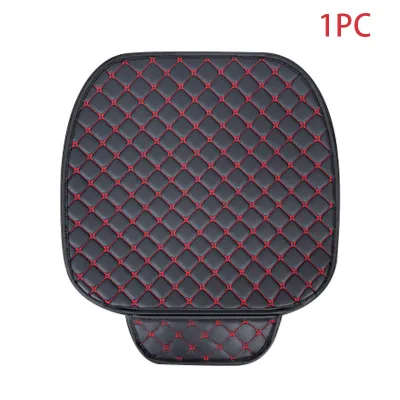
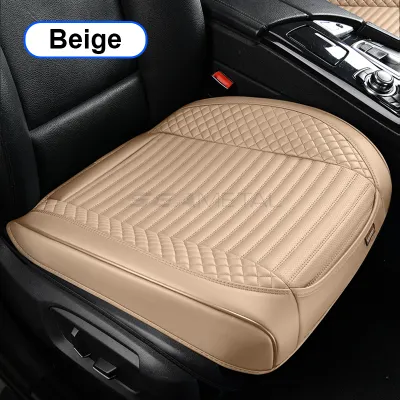
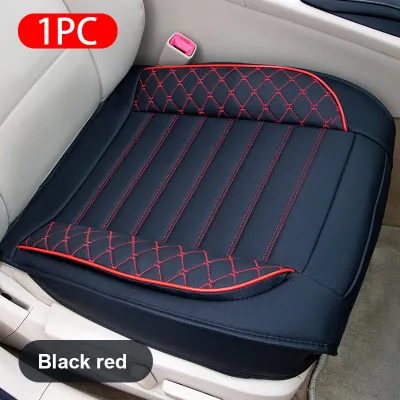
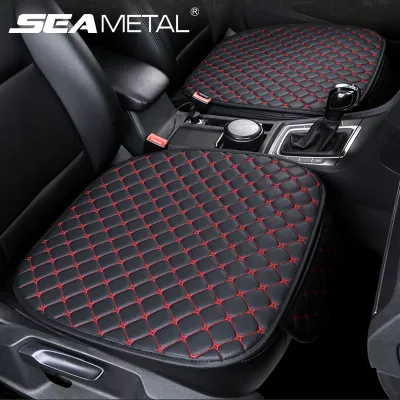
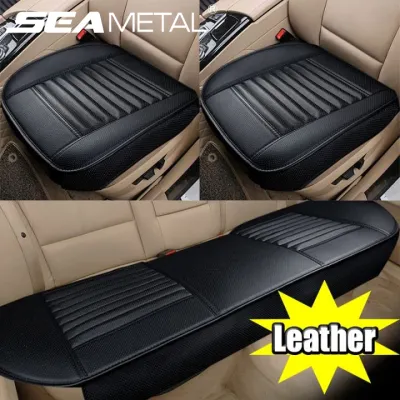
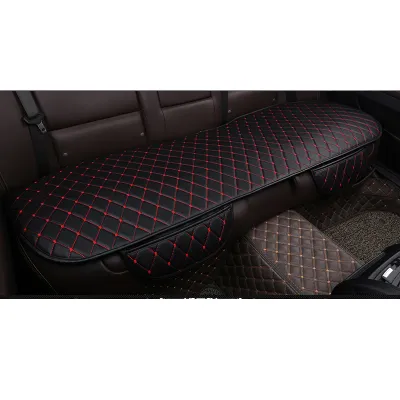
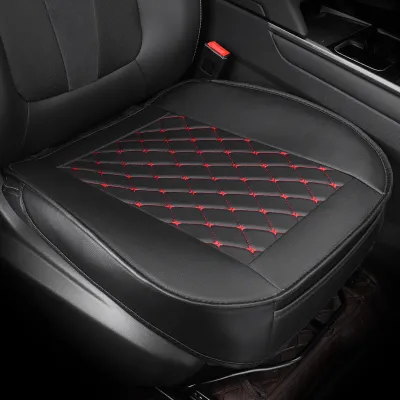
Prices are valid at publication and may change. Please refer to the product page for the latest price.
Consider your household profile and who regularly rides in your vehicle. Young children, pets, and frequent carpooling introduce a high risk of spills, crumbs, and physical wear. A material that resists scratches from pet claws and allows you to wipe away juice spills instantly will save hours of detailing stress.
Account for local environmental factors, particularly the high humidity and intense sun exposure characteristic of Singapore. A car parked in an open lot absorbs immense heat, which transfers directly to the seats. Some materials dissipate this heat rapidly, while others retain it, affecting your comfort the moment you step inside.
Be honest about your maintenance routine and how much time you can realistically dedicate to upkeep. Some materials require periodic conditioning with specialized products to prevent deterioration, while others can simply be vacuumed or tossed into a washing machine. Matching the material to your lifestyle ensures your seats remain in top condition.
Leather Seat Covers: Premium Aesthetics and Wipe-Clean Surfaces
Leather and high-quality synthetic leather seat covers are highly favored for their ability to instantly elevate a vehicle’s interior aesthetic. They provide a sleek, tailored appearance that mimics original luxury upholstery. Beyond looks, the primary practical benefit of leather is its non-porous surface, which prevents liquids from soaking into the underlying foam.

When spills occur, whether it is coffee, water, or food, a quick wipe with a microfiber cloth is usually all that is needed to restore the surface. This makes leather an excellent barrier against accidental messes. Dust, pet hair, and pollen also sit on top of the material rather than embedding themselves in the fibers, making routine vacuuming exceptionally straightforward.
However, leather has a well-known tendency to absorb and retain ambient heat. When your car is parked under direct sunlight, the surface temperature of leather covers can rise significantly, making them uncomfortably hot to the touch. You will often need to run the air conditioning for several minutes to cool the cabin before sitting down comfortably.
Maintaining leather requires consistent care to preserve its flexibility and appearance. Over time, exposure to body oils, UV rays, and temperature fluctuations can cause the material to dry out, crack, or peel. Review the manufacturer care labels to identify the correct cleaning and conditioning routines, which typically involve applying a pH-balanced leather conditioner every few months.
When shopping, distinguish clearly between genuine leather and synthetic alternatives like polyurethane (PU) or polyvinyl chloride (PVC) leather. Genuine leather offers superior breathability and a natural scent but comes at a higher price point and requires meticulous conditioning. Synthetic options are highly durable, water-resistant, and budget-friendly, though they may feel slightly warmer and less supple.
Fabric Seat Covers: Breathability and Everyday Comfort
Fabric seat covers, often made from woven polyester, canvas, or jacquard blends, offer a soft and inviting texture that enhances everyday driving comfort. Unlike leather, fabric is naturally temperature-neutral. It does not become freezing cold on rainy mornings, nor does it scorch your skin after hours of parking in an open lot, making it a highly reliable choice for daily commuters.
The inherent breathability of woven fabric allows for moderate air circulation between your body and the seat. This helps reduce the clammy feeling often experienced during warm drives. Additionally, fabric covers provide excellent grip, preventing passengers from sliding around during sharp turns or sudden braking.
The primary challenge with fabric is its susceptibility to stains and liquid absorption. If a drink spills, the liquid quickly penetrates the fibers, requiring immediate spot treatment to prevent permanent staining. It is essential to check the manufacturer’s instructions for washing guidelines; some fabric covers are machine washable, while others require specialized upholstery foam cleaners.
When evaluating fabric options, pay close attention to weave density and material thickness. A tight, heavy-duty weave, such as canvas or high-denier polyester, offers superior resistance to friction, pet claws, and general wear. Thinner fabrics may wear down quickly at high-contact points like the side bolsters.
Odor retention is another critical factor to consider with fabric covers. Because the fibers can trap sweat, dampness from wet umbrellas, or pet odors, regular cleaning is necessary to keep the cabin smelling fresh. If spills are not thoroughly extracted from the deep fibers, mold or mildew can develop in humid environments.
Breathable Mesh Seat Covers: Targeted Cooling and Airflow
Breathable mesh seat covers are engineered specifically for drivers who prioritize ventilation and heat dissipation above all else. Featuring an open-weave, porous structure, these covers allow air to flow freely behind your back and beneath your thighs. This continuous circulation significantly reduces sweat buildup, keeping you dry and comfortable even on long, humid drives.
The multi-layered design of quality mesh covers often includes a 3D spacer fabric that creates a physical gap between your body and the seat. This gap acts as a ventilation channel, allowing the vehicle’s air conditioning system to cool your back much faster than solid materials would allow.
While mesh excels at cooling, the texture of the material requires careful consideration. Coarse or highly textured mesh can feel abrasive against bare skin or delicate clothing, such as silk or fine knits. It is wise to check product reviews or material samples to ensure the mesh is soft enough for your daily wardrobe.
Before purchasing, verify that the mesh cover is compatible with your vehicle’s built-in seat features. If your car is equipped with integrated seat ventilation, heating, or massage functions, a mesh cover is often the ideal choice because its open structure does not block the airflow or heat transfer. However, you must ensure the mounting straps do not interfere with internal mechanical components.
Additionally, check the product specifications for structural support and padding. Some lightweight mesh covers are designed solely for airflow and offer very little cushioning. If your original seats are firm or worn out, look for mesh covers that incorporate high-density foam inserts in key ergonomic zones to provide both cooling and physical support.
Comparing Materials: A Decision Framework for Your Vehicle
To simplify your decision, evaluate how each material aligns with your specific driving profile and daily needs. Choosing the wrong material can lead to discomfort or premature wear, while the right choice enhances your driving experience and preserves your car’s resale value.
Choose leather seat covers if you prioritize a premium, upscale cabin appearance and want a surface that can be wiped clean in seconds. This option is ideal for families with older children, pet owners who deal with shedding hair, and drivers who appreciate the classic look and feel of leather.
Choose fabric seat covers if you want a soft, budget-friendly option that maintains a comfortable, neutral temperature in all weather conditions. Fabric is highly suitable for daily commuters and families who prefer a cozy seating surface and do not mind performing occasional deep cleaning or spot treatments.
Choose breathable mesh seat covers if your primary goal is to combat heat and perspiration during long drives in tropical climates. Mesh is the ultimate choice for active individuals, commercial drivers, and anyone whose vehicle lacks ventilated seats but desires maximum airflow.
| Feature | Leather / Synthetic Leather | Fabric / Woven Cloth | Breathable Mesh |
|---|---|---|---|
| Spill Management | Excellent (wipe-clean surface) | Poor (absorbs liquids quickly) | Moderate (liquids pass through to seat) |
| Heat Retention | High (can become very hot) | Low (remains temperature-neutral) | Very Low (promotes active airflow) |
| Routine Maintenance | Wipe with damp cloth; periodic conditioning | Vacuuming; spot cleaning or machine washing | Vacuuming; hand washing or shaking out debris |
| Durability | High (resists wear if conditioned) | Moderate (depends on weave density) | Moderate (susceptible to snags) |
| Aesthetic Style | Premium, luxury appearance | Casual, traditional look | Sporty, functional appearance |
Verifying Fitment, Safety, and Installation Requirements
Regardless of the material you select, vehicle safety must remain your absolute priority when installing aftermarket carseat covers. Modern vehicle seats are highly complex, often housing integrated safety systems that can be severely compromised by incorrectly fitted covers.
First and foremost, you must verify side airbag compatibility. Many modern vehicles feature side airbags embedded within the outer bolsters of the front seats. If your seats have these airbags, you must only purchase covers explicitly labeled as “airbag compatible.” These covers feature specialized, low-tension stitching designed to tear open instantly upon airbag deployment. Installing a non-compatible cover can prevent the airbag from deploying, leading to catastrophic safety risks.
Next, ensure that the seat covers do not obstruct critical vehicle controls and safety anchor points. The covers must have precise openings that allow full access to seatbelt buckles, headrest adjustment buttons, and ISOFIX child seat anchor points in the rear. Forcing a cover over these components can make seatbelts difficult to latch or compromise child seat security.
Always consult your vehicle owner’s manual alongside the seat cover manufacturer’s installation instructions before beginning the process. Look for any specific warnings regarding seat modifications or electrical components under the seat, such as weight sensors or heating elements.
If the fitment feels excessively tight, if the mounting straps block mechanical seat adjustment levers, or if you are unsure about airbag compatibility, stop the installation immediately. Do not attempt to modify the cover yourself by cutting holes. Instead, consult a qualified automotive professional or the manufacturer to ensure a safe and secure fit.
Frequently Asked Questions (FAQ)
Do car seat covers interfere with side airbags?
Yes, standard aftermarket seat covers can dangerously interfere with the deployment of seat-mounted side airbags. To prevent this, you must choose covers specifically certified as airbag-compatible, which utilize specialized breakaway stitching. Always verify the manufacturer’s safety labels and ensure the cover is aligned perfectly according to the installation manual.
How do I clean spills on fabric versus leather seat covers?
For fabric covers, immediately blot the spill with a clean microfiber cloth to absorb as much liquid as possible, then apply a dedicated fabric cleaner according to the product instructions. For leather covers, simply wipe the liquid away immediately with a damp cloth, and use a pH-balanced leather cleaner for stubborn residue, avoiding harsh household detergents that strip natural oils.
Are breathable mesh covers durable enough for daily commuting?
Yes, high-quality breathable mesh covers are durable enough for daily commuting, provided they feature a high denier rating and reinforced edge binding. However, because of their open-weave design, they are more susceptible to snagging on sharp objects like keys, zippers, or velcro, so care should be taken during daily use.

Community discussion
Share your experience or ask a question. Comments are reviewed before publication.