
Quick Answer: Which Seat Cushion Material Fits Your Driving Needs?
Selecting the right car seat cushion depends on your daily driving environment, existing vehicle features, and personal comfort priorities. If you want a premium look that is easy to wipe clean after spills, a leather car seat cushion is a highly practical choice. For drivers prioritizing maximum airflow to combat heat and humidity, a breathable mesh cushion is exceptionally effective. If you prefer a soft, temperature-neutral surface that does not get excessively hot in the sun, woven fabric is a reliable option. Each material presents distinct trade-offs in durability, maintenance, and comfort, meaning the ideal choice depends on your specific lifestyle and vehicle usage.
Comfort and Temperature Control Across Materials
Breathability is a primary differentiator among cushion materials, especially when driving in warm, humid climates like Singapore. Mesh cushions feature an open-weave structure that allows air to circulate freely behind your back and under your thighs. This active ventilation helps minimize perspiration during long drives, keeping you dry and comfortable.

In contrast, solid materials like leather and dense woven fabrics naturally restrict airflow. A leather car seat cushion, while smooth and supportive, tends to trap body heat over extended periods. If your vehicle lacks built-in seat ventilation, a solid leather surface can lead to a warm, sticky sensation during extended commutes.
Products mentioned in this guide
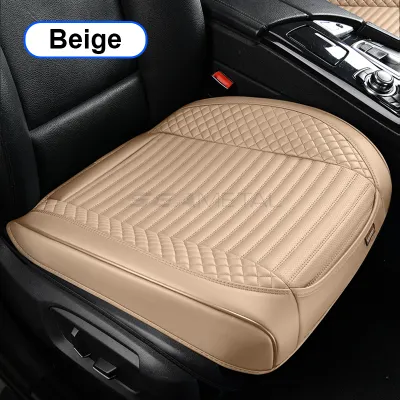
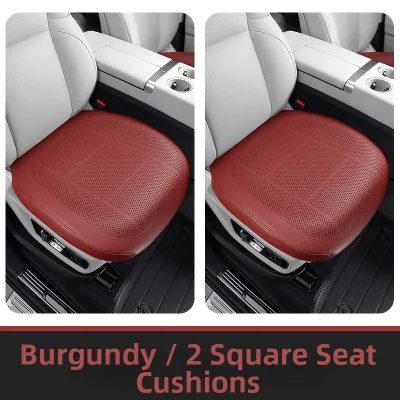
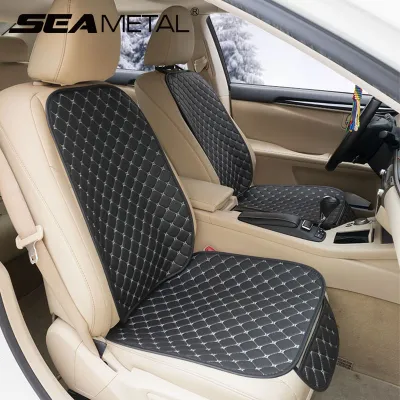
![[SG stock] Car Seat Cover PU Leather Interior Protector Mats Cushion 5 Seaters Chair Seatcover Pad for SUV Sedan Truck](https://img.lazcdn.com/g/p/b14fc2d13251d1235315b5f39912a158.jpg_400x400q80.jpg_.webp)
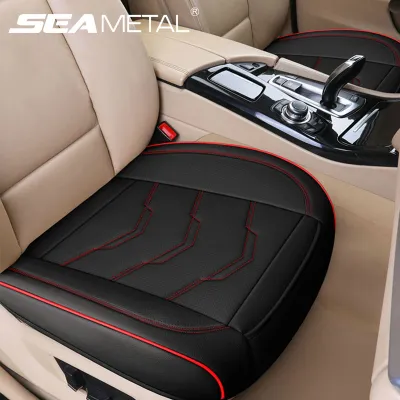
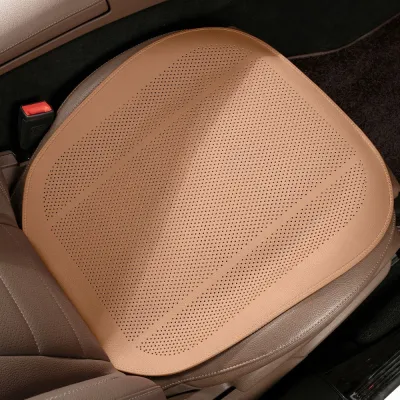
Prices are valid at publication and may change. Please refer to the product page for the latest price.
Solar heat absorption is another critical factor when parking in unsheltered areas. Dark leather surfaces absorb significant thermal energy from direct sunlight, often reaching high temperatures that can cause discomfort upon entry. Fabric and mesh cushions generally absorb less heat, maintaining a more neutral surface temperature even after hours in the sun.
Tactile feel and friction also vary widely between these options. Leather offers a smooth, low-friction surface that makes sliding in and out of the vehicle effortless, though it can feel slippery during sharp turns. Fabric provides higher friction, holding your body more securely in place, while mesh offers a textured grip that some drivers find highly supportive and others find slightly abrasive against bare skin.
Cushioning support depends heavily on the internal padding rather than just the outer cover. Many leather and fabric cushions incorporate memory foam or gel inserts to distribute weight evenly. Mesh cushions often rely on a suspended, springy tension system or thin foam layers, which provide firm, ergonomic support but may feel less plush than thick fabric or leather alternatives.
Durability and Resistance to Daily Wear
Evaluating how well a cushion stands up to daily wear is essential for long-term satisfaction. Genuine leather and high-quality synthetic leather are highly resistant to stretching and structural deformation. However, they are susceptible to scratches and punctures from sharp objects, keys, or pet claws, which can permanently mar the surface.
Fabric cushions offer excellent resistance to minor scratches and do not puncture easily, making them a practical option for drivers who frequently travel with pets or utility gear. However, fabric is prone to pilling, snagging, and wearing thin in high-friction areas, such as the side bolsters where you slide in and out of the car.
Mesh cushions are highly resilient under normal conditions but can suffer from snagging if they come into contact with hook-and-loop fasteners, zippers, or keys. Once a single thread in a mesh weave breaks, the structural tension can degrade, leading to sagging over time.
Exposure to ultraviolet (UV) radiation from sunlight affects each material differently. Prolonged UV exposure can cause fabric to fade and weaken over time. Leather may dry out, stiffen, and eventually crack if not treated regularly, while synthetic mesh materials can become brittle. Checking product labels for UV-resistant treatments is a prudent step before purchasing.
Seam construction and attachment points are common failure areas across all materials. Repeated entry and exit put significant lateral stress on the cushion’s edges. Inspecting the double-stitching quality and the reinforcement of strap attachment points can help you gauge whether a cushion will maintain its shape or split at the seams under daily use.
Maintenance, Cleaning, and Stain Management
Practical upkeep is a major factor in long-term satisfaction, especially for families or drivers who eat and drink in their vehicles. Leather car seat cushions excel in spill resistance. Liquid spills, coffee, or mud can typically be wiped away immediately with a damp cloth, preventing stains from setting into the underlying foam.
Fabric cushions, by contrast, are highly absorbent. Liquid spills quickly penetrate the fibers and can reach the internal padding, leading to persistent stains and unpleasant odors if not treated promptly. Cleaning fabric often requires specialized upholstery shampoos, spot treatments, or removing the cover for machine washing, depending on the manufacturer’s instructions.
Mesh cushions present a unique maintenance challenge regarding dry debris. The open weave of mesh easily traps crumbs, dust, pet hair, and allergens within the small gaps. While liquid spills might pass straight through the mesh without staining the surface, the debris trapped underneath or within the weave requires regular vacuuming with a brush attachment to keep clean.
Before applying any cleaning agent, it is critical to verify the manufacturer’s care instructions. Using harsh household detergents on leather can strip its protective oils, leading to premature cracking. Similarly, using incorrect chemical cleaners on synthetic fabrics or mesh can degrade the flame-retardant coatings or weaken the fibers.
For deep cleaning, always test a small, inconspicuous area of the cushion first. If you are using a leather conditioner or fabric protector, ensure it is explicitly labeled for automotive use and compatible with your specific material type to avoid discoloration or damage to your vehicle’s original upholstery.
Decision Framework: Choosing Your Ideal Seat Cushion
To select the right cushion, align the material properties with your daily driving habits and vehicle configuration. A structured decision framework can help narrow down the options based on your primary needs.
Choose a leather car seat cushion if:
- You prioritize a premium aesthetic and want to match a luxury interior.
- You require effortless wipe-clean maintenance due to frequent spills, children, or pets.
- You want a smooth surface that makes entering and exiting the vehicle easy.
Choose a fabric cushion if:
- You prefer a soft, cozy texture and want a material that remains temperature-neutral in both hot and cold weather.
- You need a high-friction surface that prevents you from sliding during sharp turns.
- You are looking for a wide variety of colors and patterns to customize your cabin.
Choose a mesh cushion if:
- You drive long distances or experience discomfort from back sweat.
- You operate a vehicle in hot, humid conditions without active seat ventilation.
- You prefer firm, springy ergonomic support over plush padding.
Verify first if:
- The cushion is compatible with your vehicle's safety systems, particularly side-impact airbags embedded in the seats.
- The cushion dimensions match your seat measurements to ensure a secure fit that does not slide or block seatbelt buckles.
- The cushion material is compatible with your existing seat features, such as heated or ventilated elements.
Frequently Asked Questions (FAQ)
Will aftermarket seat cushions interfere with side airbags?
Yes, improper installation of aftermarket seat cushions or full-seat covers can seriously interfere with the deployment of side airbags embedded within the seat backrests. It is vital to check your vehicle’s owner manual to confirm the exact location of these airbags. When purchasing a cushion, verify that the product label explicitly states compatibility with side airbags, often featuring specialized breakaway stitching or open-sided designs. Never route mounting straps directly over airbag deployment zones. If you are uncertain about compatibility or proper strap placement, stop the installation and consult a qualified automotive professional or your vehicle manufacturer.
Can I use these cushions on heated or ventilated seats?
You can use aftermarket cushions on heated or ventilated seats, but you must select the material carefully to avoid compromising these features. Thick fabric or leather cushions act as thermal insulators, which can slow down the heating process or cause the heating elements to work harder, potentially affecting their long-term durability. For ventilated seats, solid leather or dense fabric cushions will block the air perforations entirely, rendering the ventilation ineffective. If your vehicle has active seat climate control, look for highly breathable mesh cushions or specialized perforated leather options, and always check the manufacturer specifications of both the vehicle and the cushion to ensure safe operation.
How do I ensure the cushion stays securely in place?
Ensuring your seat cushion remains securely anchored is critical to prevent driving distractions and maintain control of the vehicle. Look for cushions equipped with robust retention systems, such as adjustable straps that wrap around the headrest and seatback, chucks that insert into the seat crease, and non-slip rubberized backings. It is important to match the cushion’s backing material to your existing seat upholstery; for instance, some non-slip backings can cause friction wear on genuine leather seats, while others may slide on slick synthetic materials. Always test the stability of the cushion by sitting and shifting your weight before driving. If the cushion slides during sudden braking or sharp turns, adjust the straps or choose a model with a more compatible anchoring system.

Community discussion
Share your experience or ask a question. Comments are reviewed before publication.