
Selecting the ideal material for your child’s car seat cover is not a matter of finding a single, universally superior option. Instead, the most suitable choice depends on your local climate, how often you are prepared to clean the seat, and your child’s specific skin sensitivities.
For everyday comfort, standard fabric covers offer a soft and familiar texture. If you live in a hot, humid environment or have a child who sweats heavily, a breathable mesh cover provides excellent airflow to keep them cool. Conversely, if your primary concern is managing frequent spills, crumbs, and motion sickness incidents, a leather or synthetic leatherette cover allows for immediate, hassle-free wipe-downs.
Regardless of which material you choose, safety must remain your absolute priority. Any replacement cover you use must be an official, manufacturer-approved accessory designed specifically for your exact car seat model to ensure it does not interfere with safety features.
Products mentioned in this guide
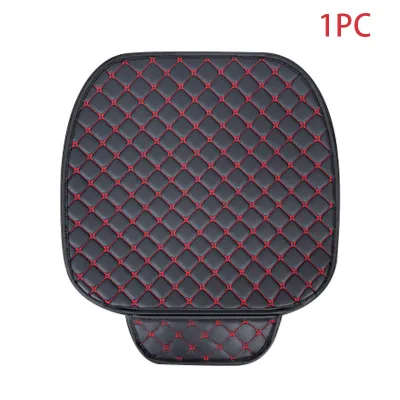
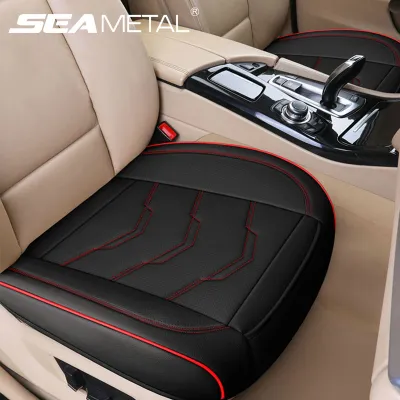
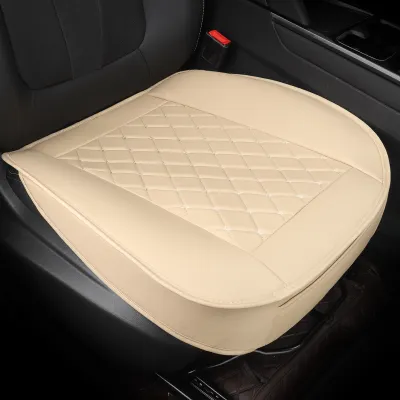
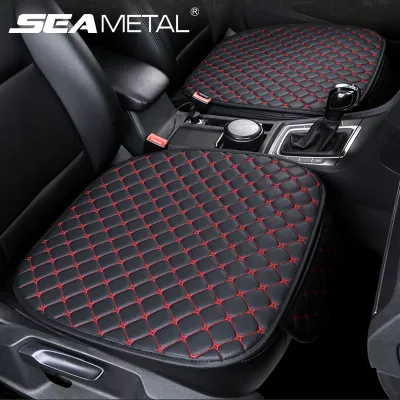
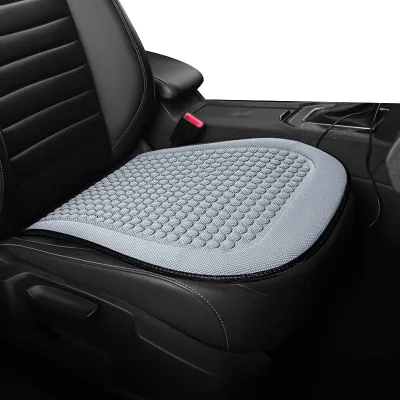
Prices are valid at publication and may change. Please refer to the product page for the latest price.
Safety and Compatibility: What to Verify Before Buying
Before prioritizing aesthetics or comfort, you must ensure that any cover you install is fully compatible with your specific car seat model. Using non-approved or universal aftermarket covers can compromise the integrity of the harness fit, block side-impact protection features, and fail to meet strict flammability standards. Car seats are engineered and crash-tested as complete systems; introducing unauthorized materials can alter how the seat performs during a collision.
To verify compatibility, locate the official product label on your car seat, which is typically found on the underside or back of the plastic shell. Note down the exact model name, model number, and manufacturing date. When searching for a replacement cover, cross-reference these details with the manufacturer’s official compatibility list to guarantee a precise fit.
Always consult your original car seat manual before purchasing or installing a new cover. The manual provides specific instructions on how to safely remove and replace the fabric layers. Avoid any aftermarket products that require you to thread the harness through non-standard slots or those that add thick padding beneath the child, as this can introduce dangerous slack into the harness system.
Material Breakdown: Comfort, Cleaning, and Durability
Evaluating the physical properties of leather, fabric, and mesh requires balancing real-world trade-offs. You will want to consider how each material handles temperature regulation, resists stains, and holds up against long-term wear and tear.

Keep in mind that performance can vary based on the specific weave, coating, or synthetic blend used in the cover’s construction. Understanding these nuances will help you select a cover that fits seamlessly into your daily routine.
Leather and Leatherette Covers
Synthetic leather and leatherette covers are highly favored by parents who prioritize quick cleanup. When liquid spills, sticky food messes, or motion sickness incidents occur, you can easily wipe the surface clean with a damp cloth, often without needing to remove the cover from the car seat.
However, leatherette has distinct thermal limitations. In warm climates or vehicles parked in direct sunlight, the material can absorb heat rapidly, making the surface uncomfortably hot to the touch. It also lacks natural breathability, which can cause children to feel sweaty and sticky during longer journeys.
When selecting a leatherette cover, always check the product labels to ensure the material is free from harmful phthalates, heavy metals, or chemical flame retardants that could irritate your child’s skin. Opt for high-quality, automotive-grade synthetic options that are specifically formulated for child safety products.
Fabric Covers
Standard fabric covers, often made from polyester or cotton blends, offer a soft, plush texture that is gentle on a child’s skin. These covers provide a familiar, cushioned feel that makes daily commutes and long road trips highly comfortable for infants and toddlers alike.
Maintaining a fabric cover generally requires more effort than a simple wipe-down. While most approved fabric covers are machine washable, they typically must be air-dried to prevent shrinkage and preserve the shape of the elastic attachments. This means you may experience some downtime while waiting for the cover to dry completely.
Additionally, untreated fabrics tend to absorb liquids and odors quickly. If a spill is not addressed immediately, it can penetrate deep into the fibers, leading to persistent stains or unpleasant smells over time. Regular vacuuming and prompt spot cleaning are essential to keep fabric covers fresh.
Breathable Mesh Covers
Breathable mesh covers are engineered specifically to maximize airflow around your child. By utilizing an open-weave structure, these covers allow heat to dissipate and air to circulate, making them exceptionally well-suited for hot climates and children who run warm.
While mesh excels at temperature regulation, it presents unique cleaning challenges. Small food crumbs, sand, and sticky liquids can easily become trapped within the tiny holes of the open weave. Cleaning these out often requires thorough vacuuming or scrubbing the affected areas with a soft-bristled brush before washing.
When evaluating a mesh cover, inspect the density of the weave and the underlying padding. The mesh should feel smooth to the touch rather than abrasive, ensuring it does not cause friction or irritation on your child’s bare arms or legs during summer rides.
Decision Matrix: Matching Material to Your Family's Needs
To make the best choice for your family, consider your daily environment and your child’s specific needs. If your child frequently drinks milk or eats snacks in the car, prioritizing a wipeable leatherette cover will save you significant cleanup time. If you live in a highly humid region and rely heavily on car air conditioning to cool down a hot vehicle, a breathable mesh cover is the logical choice to prevent overheating.
Verify first if your child has eczema, contact allergies, or highly sensitive skin. In these cases, rougher mesh weaves or synthetic materials might trigger flare-ups due to friction. A soft, untreated, or organic fabric cover approved by the manufacturer is often the safest choice for skin comfort, even if it requires more frequent washing.
| Material | Best For | Primary Cleaning Method | Climate Suitability |
|---|---|---|---|
| Leatherette | Quick wipe-downs & spill resistance | Wipe with damp cloth | Best for air-conditioned vehicles |
| Standard Fabric | Balanced everyday comfort | Machine wash, air dry | Moderate to warm climates |
| Breathable Mesh | High airflow & sweaty children | Vacuum crumbs, machine wash | Hot and humid climates |
Installation and Care Guidelines for Joie Seats
Safely removing and reinstalling your car seat cover is crucial to maintaining the seat’s protective capabilities. Before you begin detaching any elastic bands, plastic hooks, or snap buttons, use your smartphone to take clear photos of the cover’s attachment points and the exact routing of the harness straps. These photos will serve as an invaluable reference guide when you reassemble the seat.
Always read the care label attached to the cover before washing. Use mild detergents and adhere strictly to the recommended washing temperatures. Never use bleach, fabric softeners, or harsh stain removers, as these chemicals can degrade the specialized flame-retardant treatments applied to the fabric fibers during manufacturing.
Once the cover is completely dry, reinstall it carefully by following your reference photos. Perform a rigorous safety check before placing your child in the seat: verify that the harness straps are not twisted, the buckle operates smoothly with a distinct click, and the chest clip or harness height is correctly adjusted relative to your child’s shoulders. The cover must lay completely flat without bunching or restricting the movement of the harness system.
Frequently Asked Questions (FAQ)
Can I use a universal car seat cover on my Joie seat?
No, you should not use universal or non-approved aftermarket car seat covers on your seat. Universal covers are not custom-fit to the unique contours, harness slots, and side-impact wings of specific models. Consequently, they can slip out of place, block safety mechanisms, or prevent the harness from tightening correctly around your child. To maintain your seat’s crash-test certifications and safety standards, only use official replacement covers approved by the manufacturer.
How often should I wash the car seat cover?
For general hygiene, perform a quick spot clean and vacuum crumbs once a week, or immediately after any spill. A full machine wash is typically recommended every few months, or sooner if a major spill occurs. Whenever you remove the cover for washing, take the opportunity to inspect the fabric and elastic bands for signs of wear, fraying, or damage, especially around high-stress areas like the harness slots and buckle openings.
Will a mesh cover affect the side-impact protection?
An official, manufacturer-approved mesh cover will not compromise your seat’s side-impact protection. Approved covers are engineered and crash-tested alongside the seat structure to ensure they meet all safety regulations. However, you must avoid adding aftermarket mesh inserts, support cushions, or extra padding that did not come with your specific car seat model, as these untested additions can alter the child’s position and reduce the effectiveness of the seat’s protective shell during an impact.

Community discussion
Share your experience or ask a question. Comments are reviewed before publication.