
An orthopedic cushion can be suitable for Singapore’s tropical climate, but its daily comfort depends heavily on the specific cover material and foam configuration you select. In a region where daily temperatures frequently exceed 30°C and relative humidity regularly hovers above 80%, automotive accessories must actively manage heat and moisture. Standard memory foam naturally tends to trap body heat, meaning a careful evaluation of the cushion’s ventilation features is essential before placing it on your car seat.
To ensure a comfortable commute, drivers must look beyond basic ergonomic claims and examine how a cushion handles the physical demands of a hot cabin. This guide outlines how to assess the materials, inspect the design, manage daily cabin heat, and maintain the cushion to prevent mold and material degradation in high-humidity environments.
Quick Assessment: Is It Built for Tropical Weather?
When evaluating an orthopedic cushion for use in Singapore, your first step is to check the manufacturer’s specifications for explicit mentions of breathability and moisture management. Manufacturers targeting warm climates often highlight specialized fabric technologies or open-cell foam structures designed to facilitate airflow. Reviewing these specifications helps you avoid cushions designed primarily for colder climates, which often prioritize heat retention to keep the user warm.
Products mentioned in this guide
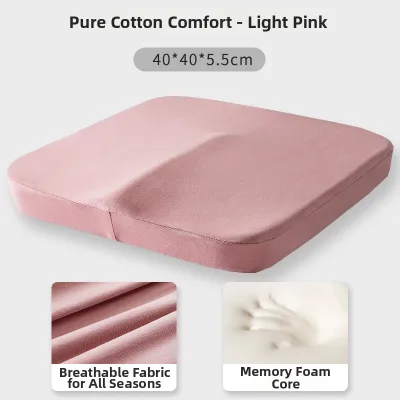
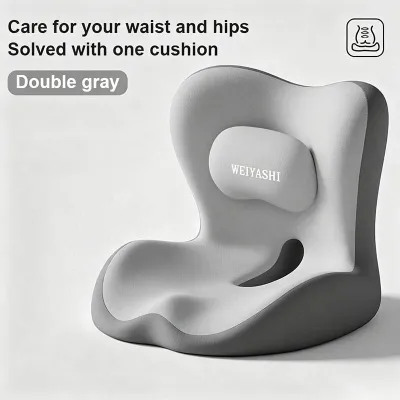
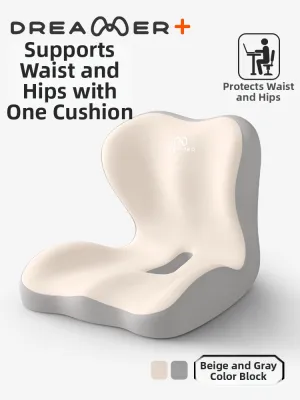
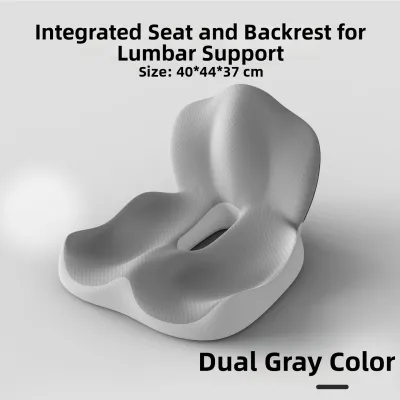
Prices are valid at publication and may change. Please refer to the product page for the latest price.
The choice of outer cover material is the most critical factor in determining immediate thermal comfort. Look for covers made from 3D mesh, spacer fabrics, or high-performance synthetic blends engineered to wick sweat away from the body. Avoid heavy plush, thick velour, or non-ventilated synthetic leather covers. These materials act as thermal insulators, trapping heat against your body and rapidly leading to discomfort during typical mid-day traffic.
Additionally, consider how the density and thickness of the orthopedic foam core affect heat retention. High-density memory foam provides excellent structural support for the tailbone and lower back, but its dense cellular structure leaves very little room for air to circulate. As you sit, your body heat warms the foam, which then retains that heat over long drives. If you opt for a high-density foam cushion, it must feature secondary cooling or ventilation designs to counteract this natural insulation effect.
Inspecting Materials and Design for Breathability
Before purchasing or installing the cushion, perform a physical inspection of the cover fabric and check the care labels. High-quality breathable fabrics usually have a visible, open-weave pattern that allows light and air to pass through easily. Check the product tags for fiber content; polyester and nylon blends are common in sportswear for their quick-drying properties and are highly suitable for humid car interiors. Avoid fabrics that feel overly heavy or have a brushed, fuzzy texture that limits airflow.

Next, examine the inner core structure of the cushion by unzipping the outer cover. Look for physical design elements that promote heat dissipation, such as molded ventilation channels, vertical air holes, or a contoured shape that prevents flat, continuous contact with your body. Some orthopedic cushions incorporate a layer of cooling gel on the top surface. While this gel can feel cool to the touch initially, verify whether the design includes pathways for that heat to escape once the gel reaches body temperature.
Finally, turn the cushion over to inspect the anti-slip base material. Many orthopedic cushions use small rubberized dots or textured silicone coatings on the bottom to prevent sliding on car seats. In Singapore’s intense cabin heat, low-quality adhesive backings or cheap rubber compounds can degrade, melt, or chemically react with your car’s upholstery. This is especially risky for genuine leather seats, where a melting backing can leave permanent stains or sticky residues. Look for high-quality, temperature-stable silicone backing or non-slip fabric alternatives, and regularly lift the cushion to inspect the seat surface underneath.
Managing Cabin Heat and Moisture During Daily Commutes
Parking your vehicle in open-air carparks exposes the cabin to intense solar radiation, turning the interior into a greenhouse where temperatures can easily surpass 60°C. To protect your orthopedic cushion and maintain a tolerable seating temperature, always deploy a high-quality front windshield sunshade when parking outdoors. Whenever possible, seek out shaded parking spaces or multi-story carparks to minimize direct thermal loading on the car’s interior components.
If your car has been parked in the sun, do not sit on the cushion immediately. The foam core will have absorbed the ambient cabin heat, and sitting on it will trap that heat directly against your body. Instead, open the doors or roll down the windows to let the hot air escape, and run the air conditioning for a few minutes. Allowing the cushion to ventilate and cool down to ambient temperature before you sit will significantly improve your comfort during the initial stages of your drive.
Once on the road, adjust your vehicle’s air conditioning vents to optimize airflow around the seating area. Directing some air downward toward the footwells and the center console helps circulate cool air around the base of the seat, preventing heat from pooling under the cushion. Avoid setting the air conditioning to an excessively cold temperature immediately if the cushion is extremely hot, as rapid, extreme temperature shocks can accelerate the physical breakdown of certain synthetic foam materials over time.
From a safety perspective, always ensure that the added height of the orthopedic cushion does not compromise your driving position. The cushion must not raise your hips so high that your knees interfere with the steering wheel, nor should it alter the proper routing of the three-point seat belt across your pelvis and shoulder. If the cushion shifts your body too far forward or upward, it may also affect your positioning relative to the vehicle’s side and steering-wheel airbags. Always adjust your seat height and steering wheel alignment after installing any aftermarket cushion.
Cleaning and Maintenance in High-Humidity Conditions
Singapore’s high humidity combined with body sweat creates an ideal breeding ground for bacteria, mold, and mildew. To prevent unpleasant odors and hygiene issues, establish a regular cleaning schedule for your cushion cover. Always follow the manufacturer’s exact washing instructions on the care label. Most removable covers can be machine washed on a gentle cycle with mild detergent, but you should avoid fabric softeners, which can clog the pores of moisture-wicking fabrics and reduce their breathability.
After washing, air-dry the cover and the foam core completely before reassembling the cushion. Choose a well-ventilated, shaded indoor area or a balcony sheltered from direct sunlight. Never place memory foam cores in a mechanical clothes dryer or expose them to direct, intense sunlight. High heat and ultraviolet (UV) radiation break down the polyurethane structure of memory foam, causing it to lose its supportive properties, become brittle, and eventually crumble.
Over time, constant exposure to sweat and high humidity will inevitably cause materials to degrade. Inspect your cushion regularly for observable signs of wear that indicate it is time for a replacement. These signs include persistent musty odors that remain after washing, a noticeable loss of structural rebound or support, crumbling or yellowing foam, and a sticky texture on the anti-slip backing. Replacing a degraded cushion ensures you continue to receive proper orthopedic support while maintaining a clean, hygienic cabin environment.
Frequently Asked Questions (FAQ)
Can I leave the orthopedic cushion in the car overnight?
Leaving an orthopedic cushion inside a closed, unventilated car overnight in a humid climate can trap moisture within the foam fibers. As the cabin cools down after use, the relative humidity inside the vehicle rises, creating an environment highly conducive to mold and mildew growth. If you park your car in a damp or poorly ventilated basement carpark, it is highly recommended to bring the cushion indoors overnight. If the cushion must remain in the vehicle, ensure the cabin is thoroughly ventilated during your next drive and inspect the cushion regularly for musty smells.
Will the cushion cover protect my car seats from sweat stains?
Standard breathable cushion covers are designed to maximize airflow, which means they are porous and will allow sweat and moisture to pass through to the underlying car seat. If you sweat heavily during your commute, this moisture can eventually stain fabric seats or degrade leather upholstery. To prevent this, check the product specifications to see if the cushion features a water-resistant inner liner beneath the breathable outer cover. If no such barrier exists, you should regularly clean and condition your car seats, and consider placing a thin, washable protective barrier between the cushion and the seat upholstery.

Community discussion
Share your experience or ask a question. Comments are reviewed before publication.