
Using Motul 0W-20 low viscosity oil in Singapore’s consistently hot tropical climate is safe, provided your vehicle manufacturer explicitly recommends or permits this specific viscosity grade. Many drivers worry that ambient temperatures averaging 30°C or higher will cause a thin oil like 0W-20 to break down, leading to engine wear. However, modern engine design and advanced synthetic oil formulations ensure that low-viscosity lubricants maintain their protective qualities even under intense operating conditions.
The safety of your engine depends on matching the oil’s specifications with the requirements set by your vehicle’s manufacturer, rather than adjusting your oil choice based solely on local weather. Modern engines are built with extremely tight clearances that rely on rapid oil circulation to cool and lubricate internal components. Using a thicker oil out of fear of the heat can actually restrict flow, increase friction, and cause premature wear.
Understanding 0W-20 Viscosity and Hot Climate Performance
To understand why low viscosity oil is safe in hot climates, it helps to examine what the numbers on the oil bottle actually represent. The Society of Automotive Engineers (SAE) viscosity grading system uses a two-part code to describe how an oil behaves at different temperatures. The “0W” portion designates the oil’s low-temperature flow characteristics, with the “W” standing for winter. A lower winter rating means the oil remains fluid at extremely low temperatures, ensuring rapid lubrication during a cold start.
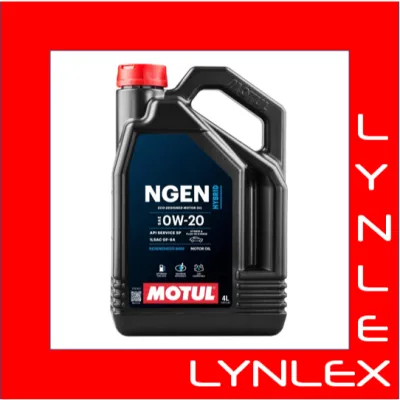
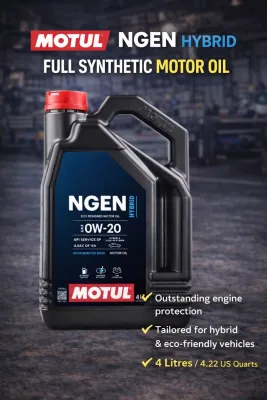
Products mentioned in this guide
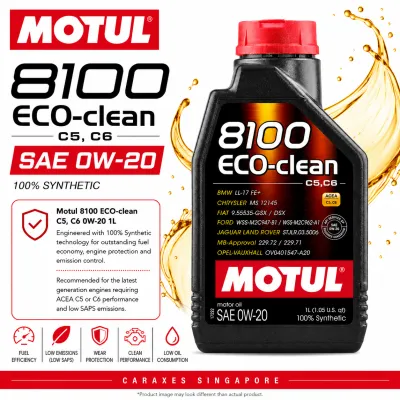
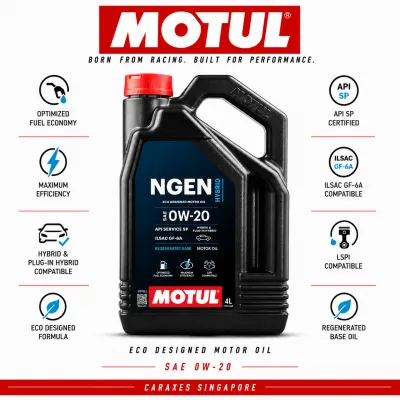
3 Lazada user ratings
💰Price:good 🏷️Brand:trusted faster delivery always from this seller. topping up when price is good . authentic.
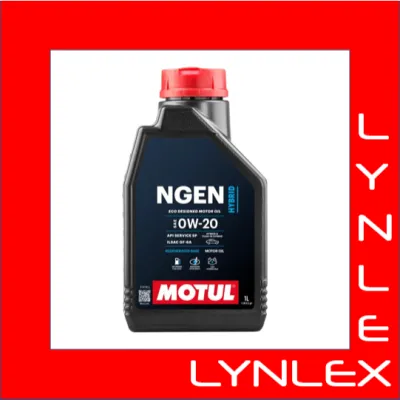
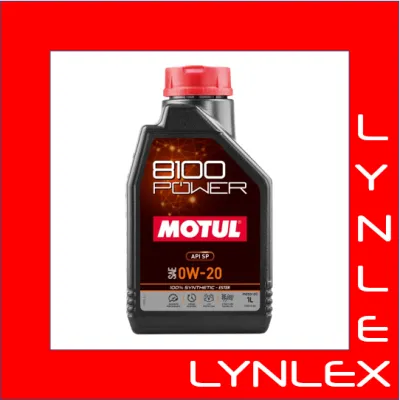
3 Lazada user ratings
💰Price:good promotion very fast delivery 🛢️Viscosity:0w16 very thin oil for great fuel economy great for hybrid cars. 🏷️Brand:very good brand.
Received. Yet to try.
Prices are valid at publication and may change. Please refer to the product page for the latest price.
The second number, “20”, represents the oil’s kinematic viscosity measured at a standardized operating temperature of 100°C. This temperature is critical because it represents the typical operating environment inside a fully warmed-up engine. Regardless of whether you are driving in a freezing winter climate or in the middle of a humid afternoon in Singapore, a properly functioning engine cooling system regulates internal temperatures to stay within a consistent range, usually between 90°C and 105°C.
Because the internal operating temperature of the engine remains relatively constant, the ambient outdoor temperature has a negligible effect on the oil’s viscosity once the engine reaches its normal running state. The “20” rating is tested and certified to provide an adequate protective film at these high internal temperatures. The belief that tropical heat will thin a 0W-20 oil to the point of engine failure is a misconception of how modern cooling systems and synthetic lubricants interact.
Furthermore, high-quality synthetic oils, such as those formulated by Motul, utilize advanced base stocks and shear-stable viscosity index improvers. These chemical components prevent the oil from thinning excessively under high shear stress and elevated temperatures. The molecular structure of synthetic oil is highly uniform, which provides superior thermal stability compared to conventional mineral oils, ensuring the protective barrier remains intact throughout the oil’s service life.
Modern Engine Tolerances and Manufacturer Specifications
The shift toward lower viscosity oils like 0W-20 is driven by significant advancements in automotive engineering. Modern engines are manufactured with incredibly tight internal clearances between moving parts, such as the bearings, pistons, and camshafts. These precise tolerances require a thinner oil that can flow quickly into narrow gaps immediately upon startup and maintain a continuous flow during operation.

If you introduce a thicker oil, such as a 10W-40, into an engine designed specifically for 0W-20, the heavier fluid may not penetrate these tight clearances fast enough. This lack of rapid circulation can lead to localized oil starvation, increased friction, and elevated operating temperatures. Over time, the added resistance of a thicker oil also forces the engine to work harder, which can decrease fuel efficiency and accelerate component wear.
Additionally, many modern vehicles utilize advanced variable valve timing (VVT) systems that rely on oil pressure and precise viscosity to actuate hydraulic components. Using an oil that is thicker than recommended can disrupt the timing of these systems, leading to sluggish engine response, increased emissions, and potential diagnostic trouble codes. The engine’s oil pump is also calibrated for a specific viscosity range, and deviating from this can cause improper pressure regulation.
Your vehicle manufacturer’s owner’s manual is the ultimate authority on which oil viscosity and specification your engine requires. Automakers spend thousands of hours testing engines under extreme loads and temperatures to determine the optimal lubricant profile. Their recommendations supersede general climate assumptions, historical practices, or anecdotal advice from mechanics who may be accustomed to older engine designs.
When consulting your owner’s manual, look beyond the viscosity grade to find the specific performance standards required for your vehicle. These are typically designated by international bodies such as the American Petroleum Institute (API) or the International Lubricant Standardization and Approval Committee (ILSAC). Additionally, many European and Asian manufacturers have their own proprietary OEM approval codes, which must be matched exactly to ensure complete compatibility and preserve your vehicle’s warranty.
Evaluating Motul Low Viscosity Oil for Your Vehicle
When selecting a Motul 0W-20 oil, you must verify that the specific product matches the exact technical requirements of your engine. Motul produces several formulations within the 0W-20 viscosity range, each tailored to different engine technologies, emissions systems, and manufacturer standards. Simply choosing any bottle labeled “0W-20” is not sufficient to guarantee safety and performance.
Start by examining the product label or the technical data sheet provided by the manufacturer for the specific Motul oil you are considering. Look for direct matches to the API, ILSAC, or OEM-specific approval codes listed in your vehicle’s manual. For example, some formulations are optimized for fuel economy and emissions control in modern gasoline engines, while others are designed to handle the specific thermal demands of turbocharged or hybrid powertrains.
It is also important to distinguish between different product lines, such as standard synthetic formulations and specialized performance or eco-focused variants. Some lines are engineered with specific additive packages that target low-speed pre-ignition (LSPI) in direct-injection turbocharged engines, while others focus on maximizing fuel efficiency. Matching the correct formulation line to your vehicle’s specific engine technology ensures that the oil provides the precise level of protection required.
There are certain conditions under which a different viscosity grade might be specified by your vehicle manufacturer. For instance, some manuals outline alternative viscosity recommendations for severe duty cycles, such as continuous high-speed driving, towing, or track use. Additionally, older engine designs with wider internal clearances may require thicker oils to maintain oil pressure and prevent consumption. Always refer to the manufacturer’s guidelines to determine if your specific driving habits or vehicle age warrant a deviation from the standard 0W-20 recommendation.
Maintenance and Monitoring in Tropical Weather
While 0W-20 oil is safe for use in hot climates, driving in Singapore presents unique environmental challenges that require diligent maintenance. The combination of high ambient humidity, consistent heat, and urban driving conditions can accelerate oil degradation. Regular monitoring of your engine’s oil level and condition is essential to ensure ongoing protection.
Perform visual and physical checks of your engine oil at regular intervals, such as every two weeks or before long journeys. Use the engine dipstick to verify that the oil level remains between the minimum and maximum indicators. Observe the color and consistency of the oil on the dipstick; while synthetic oil naturally darkens over time as it suspends contaminants, a milky appearance can indicate coolant contamination, while a strong burnt smell or gritty texture suggests severe thermal degradation.
Local driving conditions in Singapore, characterized by heavy stop-and-go traffic, prolonged idling, and short trips where the engine may not reach full operating temperature, often qualify as “severe service” under manufacturer guidelines. If your daily commute involves these conditions, you should adhere to the severe service maintenance schedule outlined in your owner’s manual. This typically involves shortening the interval between oil and filter changes to prevent the accumulation of sludge and ensure the engine always runs on fresh, effective lubricant.
For drivers seeking absolute certainty regarding their engine’s health, a used oil analysis (UOA) from a qualified laboratory can provide detailed insights. This test measures the presence of wear metals, fuel dilution, and the remaining active additives in the oil, allowing you to verify if the 0W-20 oil is performing adequately under your specific driving conditions.
Be aware of clear stop conditions that indicate your engine requires immediate professional inspection. If you notice unusual engine noises such as ticking or knocking, see the oil pressure warning light illuminate on your dashboard, or observe rapid and unexplained oil consumption, safely pull over and stop the engine. Operating a vehicle with insufficient oil pressure or severe mechanical issues can lead to catastrophic engine failure, regardless of the quality of the oil used.
Frequently Asked Questions (FAQ)
Will 0W-20 Oil Evaporate Faster in Hot Weather?
An oil’s tendency to evaporate at high temperatures is determined by its volatility rating, often measured as the NOACK volatility percentage, rather than its viscosity grade alone. High-quality synthetic oils are formulated with stable base stocks that resist evaporation and maintain their volume under high thermal stress. To ensure minimal oil consumption, check the technical specifications of the specific Motul product to verify it meets modern low-volatility standards.
Should I Switch to a Thicker Oil for Better Protection?
You should not arbitrarily switch to a thicker oil unless your vehicle manufacturer explicitly recommends doing so in the owner’s manual. Modern engines are engineered with precise clearances that require the rapid flow of low-viscosity oil to lubricate and cool critical components. Using a thicker oil can restrict circulation, increase internal friction, raise operating temperatures, and potentially cause accelerated wear or engine damage.
Does Stop-and-Go Traffic Affect 0W-20 Oil Life?
Yes, frequent stop-and-go traffic, prolonged idling, and short trips increase the thermal and mechanical stress on your engine oil. These driving patterns prevent the oil from shedding moisture and fuel contaminants efficiently, which can accelerate the breakdown of the oil’s additive package. If you regularly drive in heavy traffic, consult your vehicle’s manual and follow the recommended severe service maintenance schedule, which typically advises more frequent oil changes.

Community discussion
Share your experience or ask a question. Comments are reviewed before publication.