
Verifying the authenticity of Motul automotive fluids is a critical step in maintaining your vehicle’s performance, efficiency, and long-term reliability. As a premium brand highly regarded for its advanced synthetic formulations, Motul is a frequent target for counterfeiters looking to profit from its reputation. Because modern engines are engineered to incredibly tight tolerances, using a substandard or imitation fluid can lead to catastrophic mechanical failures that are both dangerous and expensive to repair.
To determine if the product you purchased is genuine, you must employ a systematic verification process rather than relying on a single test. Counterfeiters have grown increasingly sophisticated, meaning that a bottle might look convincing at first glance while containing low-grade base oil inside. By combining a detailed physical inspection of the packaging, verifying the laser-etched batch codes, and strictly purchasing through authorized distribution channels, you can confidently protect your engine from the severe risks associated with counterfeit lubricants.
The Risks of Counterfeit Engine Oils and Fluids
Using counterfeit engine oils or transmission fluids poses an immediate and severe threat to your vehicle’s mechanical health. High-performance lubricants are carefully engineered chemical systems designed to reduce friction, dissipate heat, prevent corrosion, and keep internal engine components clean. Counterfeit fluids, by contrast, are typically made from cheap, low-quality base oils that lack the essential additive packages required to withstand the extreme pressures and temperatures of a modern engine.
Products mentioned in this guide
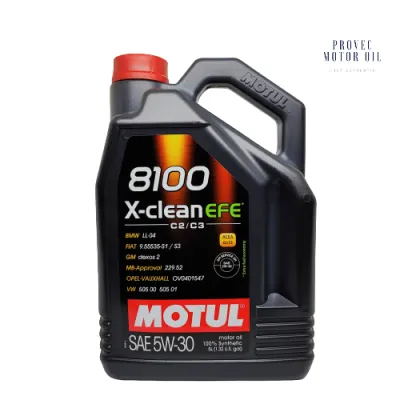
43 Lazada user ratings
💰Price:Affordable 🏷️Brand:Known in the market 🛢️Viscosity:As per requirement This is my 2nd purchase and monitoring the performance & quality …Read full reviewShow less
💰Price:Affordable 🏷️Brand:Known in the market 🛢️Viscosity:As per requirement This is my 2nd purchase and monitoring the performance & quality of the product
Honda engine runs smoothly with this oil. Anytime better than Ultra Helix. Usually able to last 10k km
Arrived fast and nicely packed. Ready to fill my S660.
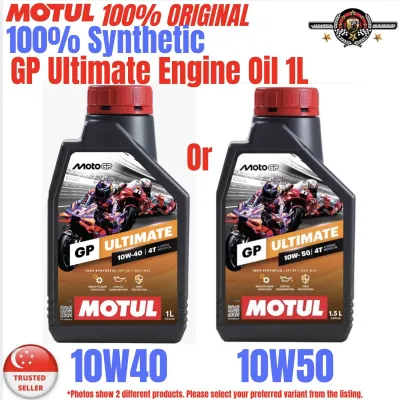
2 Lazada user ratings
Good packaging and handling 👍👍
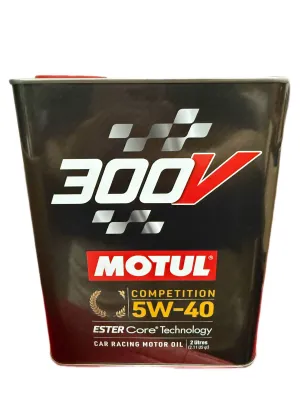
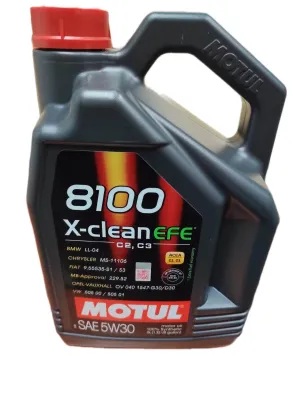
2 Lazada user ratings
fast delivery and nearly packed
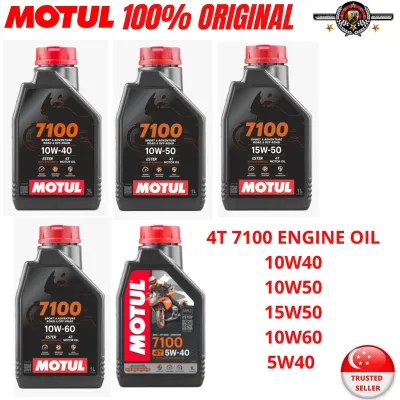
21 Lazada user ratings
提高燃油效率, 发动机保持清洁, 润滑效果出色, 提升发动机耐久性, 持久保护效果, 高品质全合成机油, 发动机性能平顺, 高品质全合成机油, 提高燃油效率,
super fast delivery.. will purchase again in future.......
Fast delivery and received good condition
High-quality synthetic oil,
Bought as spare to top up
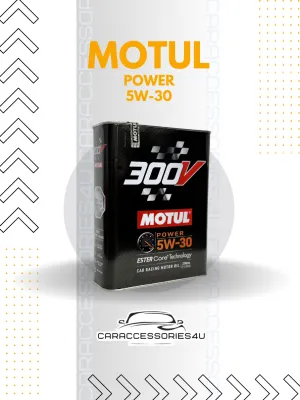
1 Lazada user ratings
Item received. Thank you. Kind of old stock and tank came with multiple dents
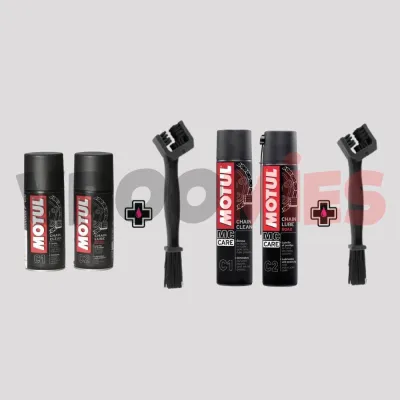
8 Lazada user ratings
Item received very fast..chain lube cover was broken when took out from the packaging..everything else was fine
Prices are valid at publication and may change. Please refer to the product page for the latest price.
When an engine operates with substandard oil, the fluid quickly undergoes thermal breakdown, losing its viscosity and failing to maintain a protective film between moving metal parts. This lack of adequate lubrication leads to rapid wear on critical components such as piston rings, camshafts, crankshaft bearings, and turbocharger shafts. Without the correct additives to suspend contaminants, soot and sludge will rapidly accumulate, clogging oil passages and restricting oil flow, which can cause the engine to seize entirely.
Beyond the immediate risk of mechanical failure, using unverified or counterfeit fluids can instantly void your vehicle manufacturer’s warranty. If your engine suffers a major failure while under warranty, service centers routinely extract fluid samples for laboratory analysis to determine the root cause. If the analysis reveals that the fluid does not meet the manufacturer’s specified standards or is a counterfeit product, your warranty claim will be denied, leaving you to bear the full cost of a replacement engine.
The prevalence of counterfeit automotive products in the global marketplace highlights the need for constant consumer vigilance. Counterfeiters target premium brands because the high retail value of synthetic lubricants provides a lucrative profit margin. Because these imitation fluids are packaged to look identical to genuine products, unsuspecting motorists often realize they have been cheated only after their engine begins to exhibit signs of severe distress or fails completely.
Visual and Physical Checks for Genuine Motul Packaging
A meticulous physical inspection of the bottle, cap, and labeling is your first line of defense when assessing the authenticity of Motul automotive fluids. Genuine manufacturers utilize state-of-the-art packaging facilities that maintain exceptionally high standards of quality control. By familiarizing yourself with the physical characteristics of an authentic bottle, you can identify the subtle imperfections that often expose counterfeit products.

Begin your inspection by closely examining the labels on both the front and back of the bottle. Genuine Motul labels feature high-resolution, razor-sharp printing with vibrant, accurate colors and perfectly aligned text. Counterfeit labels often display slight blurriness, smudged ink, or color bleeding, particularly around small text and brand logos. Additionally, check the alignment of the labels; genuine labels are applied by automated machinery and are perfectly centered, whereas counterfeit labels may be crooked, bubbled, or peeling at the corners.
Next, evaluate the structural quality of the plastic bottle itself. Genuine bottles are molded with uniform plastic thickness, resulting in a sturdy feel that does not easily collapse when squeezed. Inspect the molded seams along the sides and bottom of the bottle; on a genuine product, these seams are clean, smooth, and virtually seamless. Counterfeit bottles are often made using low-quality molds, leaving rough, raised plastic edges, uneven seams, or visible plastic burrs along the parting lines.
The design and integrity of the cap and its sealing mechanism are critical indicators of authenticity. Genuine caps feature a robust, tamper-evident ring that is firmly attached to the cap and must break cleanly upon the first opening. If the ring is already loose, cracked, or shows signs of adhesive residue, the bottle may have been refilled with inferior oil. Furthermore, check the induction foil seal beneath the cap; it should be perfectly centered and hermetically sealed to the bottle’s lip without any wrinkles, gaps, or signs of manual re-gluing.
While these physical checks are highly effective, it is important to recognize that counterfeiters continuously upgrade their manufacturing capabilities. A single minor packaging variation does not guarantee a product is fake, nor does a visually perfect bottle guarantee it is genuine. For this reason, physical inspections must always be paired with batch code verification and a careful review of your purchase source.
Verifying Batch Codes and Security Features
Every genuine bottle of Motul fluid is marked with specific manufacturing data that allows the brand to track its production history from the blending plant to the retail shelf. Verifying these codes and understanding how they are applied to the packaging is one of the most reliable methods for confirming product authenticity.
Locate the batch code, production date, and expiry date, which are typically found on the lower portion of the bottle or near the bottom edge of the back label. On genuine Motul packaging, these details are laser-etched or printed using a precise dot-matrix system directly onto the plastic surface. This printing method creates a slightly textured, permanent mark that cannot be easily scratched off. If the batch code is printed with standard surface ink that smudges when rubbed with a finger, or if it is missing entirely, the product is highly likely to be counterfeit.
Analyze the format of the batch code to ensure it matches the manufacturer’s standard alphanumeric structure. Genuine codes contain specific sequences that represent the production facility, the specific batch number, and the exact date and time of packaging. If you compare multiple bottles purchased at the same time, the batch codes should be identical if they came from the same production run, but the individual time stamps printed alongside the code should vary by seconds or minutes.
Depending on the specific product line and the region for which it was manufactured, Motul bottles may feature advanced security markers such as holographic labels, QR codes, or unique serial numbers. Because these security features are updated regularly to counter new counterfeiting techniques, you should always consult the manufacturer’s official regional website to verify which security markers are currently active for your specific product. When scanning any QR code on the packaging, ensure that the link directs you to a secure, official brand domain rather than a generic or unverified website.
Buying from Authorized Distributors in Singapore
The most reliable way to ensure you are purchasing genuine Motul automotive fluids is to control your purchase channel. By sourcing your lubricants exclusively from verified and authorized distributors, you eliminate the risk of counterfeit products entering your vehicle’s maintenance routine.
In Singapore, you should purchase Motul products only from authorized dealers, official physical workshops, or the brand’s official online storefronts. These authorized partners source their inventory directly from the official local importer, ensuring a secure and fully traceable supply chain. Many authorized workshops in Singapore proudly display official partnership certificates or authorized dealer signage within their premises, giving you peace of mind before any service begins.
To identify a verified seller, use the official dealer locators and partner directories available on the manufacturer’s official website. If you are having your vehicle serviced at an independent workshop, you have the right to ask the service advisor about the source of their lubricants. A reputable workshop will gladly confirm their authorized sourcing channels, whereas a workshop that is evasive or refuses to provide this information should be avoided.
When shopping on general online marketplaces or e-commerce platforms, you must exercise heightened caution. Be highly suspicious of listings that offer Motul fluids at prices significantly below the standard market rate in Singapore, as unrealistically low prices are a primary indicator of counterfeit or parallel-imported goods of questionable origin. Always look for official store badges, high seller ratings, and detailed customer reviews that verify the authenticity of the delivered product.
Avoid purchasing from unverified third-party sellers who lack a physical business address, clear contact details, or a proven track record. While saving a few dollars on a bottle of oil may seem appealing, the potential cost of repairing a damaged engine far outweighs any minor upfront savings.
Steps to Take If You Suspect a Fake Product
If you suspect that you have purchased a counterfeit Motul product, taking immediate and decisive action is essential to protect your vehicle and help prevent the spread of fake automotive fluids in the market.
Your immediate priority is to ensure that the suspected fluid does not enter your vehicle’s mechanical systems. Do not pour the fluid into your engine, transmission, or brake reservoir. If you have already added the fluid to your vehicle but have not yet started the engine, do not turn the key; starting the engine will circulate the potentially harmful fluid throughout the system. Instead, arrange to have the vehicle towed to a professional workshop where the system can be completely drained, flushed, and refilled with verified genuine fluid.
Document all physical evidence of the suspected counterfeit product immediately. Take clear, high-resolution photographs of the bottle from all angles, focusing on the batch codes, the cap seal, the induction foil, any labeling errors, and the fluid’s appearance if some has been poured out. Keep your physical receipt, invoice, or digital order confirmation safe, as this documentation is vital for proving where and when the product was purchased.
Contact the seller or the e-commerce platform where you made the purchase to initiate a formal dispute, return, or refund process. Present your documented photographic evidence and explain your concerns regarding the product’s authenticity. Most reputable online marketplaces have strict anti-counterfeiting policies and will freeze the seller’s account or remove the listing while investigating your claim.
Finally, report the incident directly to the brand’s official anti-counterfeiting channel or their regional representatives in Singapore. You can also file a formal complaint with local consumer protection bodies, such as the Consumers Association of Singapore (CASE). Reporting these incidents provides authorities with the information needed to investigate illicit supply chains, shut down counterfeit operations, and protect the wider motoring community.
Frequently Asked Questions (FAQ)
Can I rely solely on the oil's color and smell to verify authenticity?
No, you cannot rely solely on the color or smell of the fluid to determine its authenticity. Modern automotive fluids are complex chemical mixtures, and their visual appearance and odor can vary significantly based on the specific base oil formulation, additive packages, and production batch. Some genuine high-performance oils may have distinct colors or scents, but counterfeiters can easily dye or scent low-grade oils to mimic them. Instead of relying on sensory evaluation, focus your assessment on packaging quality, batch code verification, and the reliability of the purchase channel.
Do all genuine Motul bottles have a hologram or specific security sticker?
No, not all genuine Motul bottles feature a hologram or a specific security sticker. Security features are highly dynamic and vary depending on the specific product line, the region where it is distributed, and the year of production. The manufacturer frequently updates these security measures to stay ahead of counterfeiters, meaning a feature present on one bottle might be absent on another genuine bottle from a different batch. To find out what security markers should be present on your specific product, consult the manufacturer’s official regional website for the most current guidelines.
Community discussion
Share your experience or ask a question. Comments are reviewed before publication.