
When shopping for automotive accessories, it is easy to get confused by the wide array of brand names associated with tire maintenance. To clear up a common misconception: Fanttik is not a tire brand. It does not manufacture rubber tires, nor does it design tread patterns or compound formulas for vehicles. Instead, Fanttik is an automotive and outdoor tool brand that specializes in portable electronic equipment, most notably portable air compressors, tire inflators, and car vacuums.
Understanding this distinction is crucial for vehicle owners. While companies like Michelin, Bridgestone, and Goodyear focus on the physical construction of rubber tires, brands like Fanttik focus on the diagnostic and maintenance tools required to keep those tires performing safely. Maintaining proper tire specifications—such as inflation pressure—is a critical aspect of vehicle safety, and it relies heavily on having reliable, specialized tools rather than the specific brand of tire mounted on your wheels. By using dedicated maintenance equipment, drivers can ensure their tires wear evenly, last longer, and provide optimal traction on the road.
Diagnosing Tire Health: Observable Signs of Pressure and Wear Issues
Before you even reach for a maintenance tool, your vehicle and its tires will often signal when attention is required. Recognizing these physical and behavioral cues is the first step in proactive tire care. One of the most common visual signs of under-inflation is a noticeable bulge in the tire sidewall where it meets the pavement, accompanied by accelerated wear on the outer edges of the tread. Conversely, over-inflation typically causes the center of the tread to wear down much faster than the shoulders, reducing the tire’s contact patch with the road.
Products mentioned in this guide

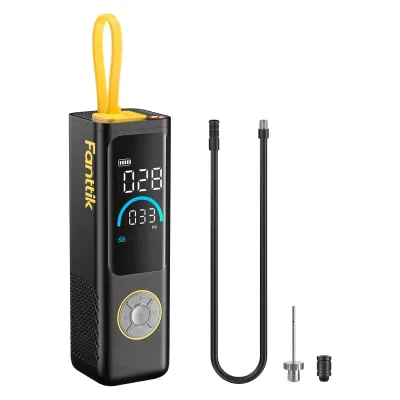

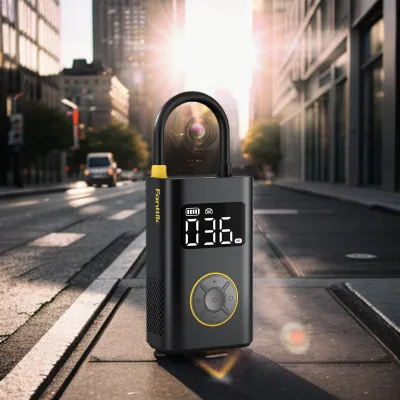

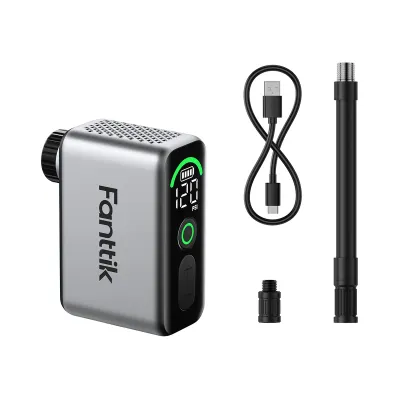
Prices are valid at publication and may change. Please refer to the product page for the latest price.
Changes in vehicle handling also serve as critical indicators of tire pressure issues. If you notice your steering wheel pulling to one side, a sluggish response when cornering, or a sudden increase in road noise and vibration, your tire pressure may be uneven or dangerously low. These symptoms not only compromise your driving comfort but also affect braking efficiency and fuel economy.
To address these issues accurately, you must locate the vehicle manufacturer’s recommended tire specifications. This information is not found on the tire itself; the pressure molded into the tire sidewall is the maximum pressure the tire can safely hold, not the recommended operating pressure. Instead, look for the tire information placard, which is typically located on the driver’s side door jamb (B-pillar) or inside the owner’s manual. This placard lists the precise cold inflation pressure required for your specific vehicle model, ensuring optimal handling and safety.
Using Portable Inflators to Restore and Maintain Tire Specifications
Once you have identified the correct pressure specifications for your vehicle, a portable tire inflator becomes an invaluable tool for routine maintenance. Operating these devices safely and effectively requires a systematic approach to ensure accurate readings and prevent damage to the tire or the equipment.

Begin by parking your vehicle on a level, stable surface, engaging the parking brake, and turning off the engine. For the most accurate reading, always check and adjust tire pressure when the tires are “cold”—meaning the vehicle has been parked for at least three hours or driven less than two kilometers. Remove the valve stem cap from the tire and securely connect the inflator hose. Most modern portable inflators feature either a screw-on connector or a quick-release thumb lock chuck; ensure this connection is tight to prevent air leakage during operation.
Once connected, the inflator’s digital or analog gauge will display the current pressure. Set your target pressure on the device to match the specifications listed on your vehicle’s door jamb placard. If you are using a digital inflator with an automatic shut-off feature, the device will stop inflating once it reaches the preset limit. If you are using a manual analog unit, monitor the gauge closely and turn off the compressor manually when the needle reaches the desired level.
Safety is paramount during this process. Always inspect the tire visually before inflating; if you notice deep cracks, exposed cords, or a tire that has completely unseated from the metal rim, do not attempt to inflate it. Stop the process immediately if the inflator unit becomes excessively hot to the touch, as portable compressors can overheat during extended use. Allow the device to cool down before resuming. For any complex electrical or mechanical issues with your vehicle’s tire pressure monitoring system (TPMS), consult a qualified professional.
Beyond Air Pressure: Essential Visual and Physical Tire Checks
While maintaining correct air pressure is vital, it is only one component of comprehensive tire care. Regular visual and physical inspections are necessary to identify underlying structural issues that pressure adjustments alone cannot resolve.
One of the most critical checks is verifying tread depth. Tires feature built-in wear bars—raised rubber ridges located in the bottom of the tread grooves. When the tread wears down level with these bars, the tire has reached its legal wear limit and must be replaced immediately to maintain wet-weather traction. You can also use a dedicated tread depth gauge to take precise measurements across the inner, center, and outer sections of the tire to check for uneven wear patterns.
Additionally, perform a thorough visual inspection of the entire tire surface. Look for embedded debris such as nails, screws, or sharp stones that could cause slow leaks. Examine the sidewalls for any signs of dry rot, cracking, or unusual bulges. A bulge in the sidewall indicates that the tire’s internal structural cords have ruptured, making the tire highly susceptible to a sudden blowout.
It is important to recognize the limits of DIY maintenance tools. While a portable inflator can help you maintain correct pressure, it cannot correct wheel misalignment, tire imbalance, or internal structural damage. If you experience persistent vibrations, uneven wear patterns, or suspect a slow leak from a puncture, seek professional assistance. A qualified technician can safely patch punctures within the tread area, perform wheel alignments, or recommend a complete tire replacement when necessary.
Frequently Asked Questions (FAQ)
Can I use a portable inflator to fix a completely flat tire?
A portable inflator is designed primarily for routine pressure top-ups and minor adjustments. If a tire is completely flat due to a structural puncture, a portable inflator will only provide a temporary solution, as the air will continue to escape through the hole. In cases where the tire has completely lost its seal and unseated from the wheel rim, a portable inflator lacks the high volume of air flow required to reseat the tire safely. For flat tires caused by punctures, you will need a professional tire repair kit or roadside assistance to patch the damage before inflating.
Do I need to buy brand-specific tools for my vehicle's tires?
No, you do not need to purchase brand-specific tools for your vehicle’s tires. The vast majority of passenger cars, SUVs, and light trucks utilize a standardized valve type known as the Schrader valve. Because this valve design is universal, almost all portable inflators and pressure gauges are compatible out of the box. You only need to look for specialized adapters if you are working with non-standard valves, such as Presta valves commonly found on high-performance bicycle tires.

Community discussion
Share your experience or ask a question. Comments are reviewed before publication.