
Determining whether 303 Aerospace Protectant is safe for your vehicle’s surfaces requires looking beyond marketing claims and understanding its chemical profile. This water-based protectant is widely recognized for its near-neutral pH level, which typically falls within a mild, non-corrosive range. However, because automotive materials vary significantly from modern synthetic polymers to delicate natural hides, universal safety cannot be guaranteed by a single product. To protect your vehicle’s interior and exterior components from degradation, you must verify the product’s current formulation against your vehicle manufacturer’s care guidelines and perform targeted compatibility checks.
Using a protectant with an incompatible chemical makeup can lead to premature fading, cracking, or surface peeling. This is especially true in tropical climates like Singapore, where intense UV exposure and high cabin temperatures accelerate chemical reactions on dashboards and trim. By understanding how to read chemical safety documentation and applying the product using approved techniques, you can safely maintain your vehicle’s surfaces without risking costly cosmetic damage.
Understanding the pH Profile and How to Verify the Exact Formula
The pH scale measures how acidic or alkaline a water-based solution is, ranging from 0 to 14, with 7 being completely neutral. In automotive detailing, the pH of a product dictates how aggressively it interacts with a surface. Highly acidic or highly alkaline cleaners are excellent for breaking down heavy grime, but they can strip away protective oils and damage sensitive polymers if left on the surface. For long-term preservation, a protectant should ideally remain close to neutral to avoid altering the chemical structure of the underlying material.
Products mentioned in this guide
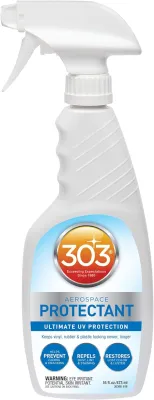
![[ Bundle of 2 ] 303 Automotive Protectant Spray](https://img.lazcdn.com/g/p/cbea9c11ad5761f6d12863fae8ac039c.png_400x400q80.png_.webp)
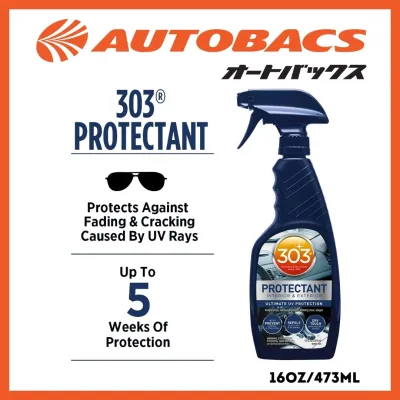
Prices are valid at publication and may change. Please refer to the product page for the latest price.
Water-based protectants differ fundamentally from traditional solvent-based dressings. Solvent-based products often rely on petroleum distillates to dissolve active ingredients, which can strip plasticizers from vinyl and rubber, leading to premature drying and cracking under heat. In contrast, water-based formulas suspend protective agents in a neutral aqueous solution. This design allows the product to hydrate the material safely while leaving a protective barrier that filters out harmful ultraviolet radiation.
To find the precise pH value of your specific bottle of protectant, you should consult the manufacturer’s Safety Data Sheet (SDS). The SDS is a standardized document that provides comprehensive chemical and physical properties of a product. You can typically locate the SDS on the manufacturer’s official website or by contacting their customer support team. Once you have the document, navigate to Section 9, which is dedicated to physical and chemical properties. Here, you will find the official pH range recorded during laboratory testing.
Checking the official chemical profile is necessary because marketing terms like “safe for all surfaces” or “environmentally friendly” are not regulated chemical standards. Manufacturers may update their formulas over time to comply with environmental regulations or improve performance, which can subtly alter the pH or ingredient mix. Relying on the SDS ensures you are making decisions based on verified chemical data rather than generalized retail descriptions.
Evaluating Compatibility for Common Interior and Exterior Materials
Most modern vehicles utilize synthetic polymers for interior surfaces due to their durability and resistance to wear. Materials such as vinyl (polyvinyl chloride), hard ABS plastics, and synthetic leathers (polyurethane or PVC-based) are generally highly compatible with water-based, pH-neutral protectants. These materials contain plasticizers that keep them flexible; a neutral water-based formula helps shield these plasticizers from UV-induced degradation without chemically breaking them down.

On the exterior of the vehicle, rubber weatherstripping, plastic cowl panels, and non-porous trim pieces are constantly exposed to harsh environmental elements. Applying a compatible protectant to these areas helps prevent the rubber from drying out and cracking, which can compromise the cabin’s weather seal. Non-porous exterior plastics also benefit from UV absorbers, which prevent the chalky, faded appearance caused by prolonged exposure to intense sunlight.
Despite these general compatibility trends, you must never assume a product is universally safe for every component of your vehicle. Automotive manufacturers frequently introduce proprietary coatings, matte finishes, or specialized composite materials that require specific care. For instance, some modern dashboards feature soft-touch coatings that can react poorly to external chemical agents, leading to a sticky or peeling finish.
Before applying any protectant, cross-reference the product’s approved surface list with your vehicle owner’s manual. The owner’s manual often contains explicit instructions regarding what types of chemicals to avoid on specific interior trim pieces. If the vehicle manufacturer advises against using dressings or protectants on a particular surface, always defer to their instructions to preserve your vehicle’s warranty and material integrity.
Identifying High-Risk Surfaces and How to Perform a Safe Spot Test
Certain automotive surfaces are highly sensitive and should not be treated with general vinyl and plastic protectants. Untreated natural leather, for example, is highly porous and requires specialized pH-balanced leather conditioners that preserve its natural oils; using a standard synthetic protectant can clog the pores and alter the texture. Similarly, suede and Alcantara feature a delicate nap that will mat down, stain, or lose its soft texture if exposed to liquid protectants.
Other high-risk areas include glass, optical plastics, and instrument cluster screens. Applying a protectant to these surfaces can cause severe smearing, haze, and distracting glare under direct sunlight. Furthermore, you must never apply protectants to high-friction control surfaces such as the steering wheel rim, accelerator and brake pedals, gear shifters, or handbrake levers. The lubricating agents in the protectant can make these surfaces extremely slick, severely compromising your grip and creating a dangerous driving hazard.
To prevent widespread damage to sensitive materials, always perform a localized spot test before full application. This simple check allows you to observe how the chemical formula interacts with the specific material under local environmental conditions.
To conduct a safe spot test, follow these steps:
- Identify an inconspicuous area of the material, such as the underside of a door armrest or the lowest edge of a plastic console panel.
- Clean the test area thoroughly with a mild, damp microfiber cloth to remove any surface dust or oils, then let it dry completely.
- Apply a tiny, pea-sized drop of the protectant to a clean microfiber applicator pad.
- Gently wipe the product onto the test area, ensuring an even, thin layer.
- Immediately buff the area dry with a separate, clean microfiber towel to remove any excess product.
- Allow the test area to cure for 24 to 48 hours.
- Inspect the area under bright, natural light. Check for any signs of discoloration, uneven fading, tackiness, bubbling, or changes in material texture. If any adverse reaction occurs, discontinue use on that specific material immediately.
Application Best Practices to Avoid Streaking and Greasy Residue
Achieving a clean, non-greasy finish depends heavily on your preparation and application technique. The most common cause of streaking and hazing is applying a protectant over a dirty surface. Dust, body oils, and road grime will trap the protectant, preventing it from bonding properly with the material. Always clean the surface first using a dedicated, mild interior cleaner or a damp microfiber cloth, and ensure it is completely dry before proceeding.
When applying the product, use the “apply and wipe” technique to ensure even coverage. Avoid spraying the protectant directly onto your dashboard or trim, as this leads to overspray landing on the windshield, instrument cluster, or nearby fabrics. Instead, spray a moderate amount of the product directly onto a microfiber applicator pad or towel. Wipe the damp pad over the surface in circular or overlapping linear motions to distribute the product evenly.
Immediately after spreading the product, take a second, clean, dry microfiber towel and thoroughly buff the surface. This step is critical: water-based protectants are designed to leave a thin, protective barrier, and any excess product left to air-dry will result in a shiny, greasy, or streaky finish that attracts dust. Buffing removes the excess liquid, leaving a clean, satin-to-matte appearance that feels dry to the touch.
Your application frequency should be adjusted based on environmental exposure and storage conditions. In regions with high UV indexes and humidity, such as Singapore, protective coatings degrade more rapidly. If your vehicle is parked outdoors daily, you may need to reapply the protectant every 30 to 45 days to maintain adequate UV protection. For vehicles parked in covered garages, an application interval of every 60 to 90 days is generally sufficient to keep the surfaces protected.
Frequently Asked Questions (FAQ)
Can I use this protectant on my car's paint or clear coat?
No, you should avoid using this protectant on your vehicle’s exterior paint or clear coat. Automotive clear coats require specialized paint sealants, waxes, or ceramic coatings designed to bond with painted metal surfaces. While a water-based protectant may not immediately damage the paint, it is not formulated to provide the durability, water-beading properties, or high-gloss finish required for exterior automotive paintwork. Always use products explicitly labeled for clear coat protection.
Will it leave a greasy or overly shiny finish on my dashboard?
It will not leave a greasy or overly shiny finish if applied and buffed correctly. Water-based protectants are formulated to dry to a natural, satin, or matte finish that mimics the original look of the material. However, if you apply too much product or fail to buff the surface dry with a clean microfiber towel, the excess residue will remain wet, creating an artificial shine and attracting dust. Thorough buffing is key to achieving a clean, non-glare finish.
How does it differ from traditional silicone-based tire dressings?
Traditional tire dressings often contain solvent-based, non-drying silicones that remain wet on the surface of the rubber. These products can sling off onto your vehicle’s paintwork while driving and attract road grime, brake dust, and dirt. A water-based protectant dries completely to the touch, eliminating product sling. Furthermore, it does not contain the harsh solvents found in some traditional dressings, which can dry out rubber over time and accelerate cracking.

Community discussion
Share your experience or ask a question. Comments are reviewed before publication.