
The choice between internal and external car TPMS (Tire Pressure Monitoring System) sensors depends on your wheel type, willingness to perform professional tire mounting, and long-term maintenance preferences. Internal sensors offer a concealed, permanent setup suited for standard alloy wheels and daily driving, while external sensors provide a quick, DIY-friendly alternative for temporary monitoring, spare tires, or specific commercial setups. This guide compares the practical trade-offs to help you match the right sensor type to your vehicle’s configuration.
Maintaining correct tire pressure is essential for vehicle safety, fuel efficiency, and tire longevity. A functional TPMS alerts you to slow leaks and sudden pressure drops before they lead to dangerous tire failures. When choosing an aftermarket system or replacing older sensors, understanding how each design interacts with your wheels, tires, and daily driving habits is the first step toward making an informed decision.
Understanding Internal and External Car TPMS Sensors
To make the right choice, it is helpful to understand how these two systems measure and transmit tire pressure data. Both types serve the same primary function: they monitor the air pressure and temperature inside your tires and send this information to a receiver. However, their physical design, mounting locations, and installation requirements differ significantly.
Products mentioned in this guide
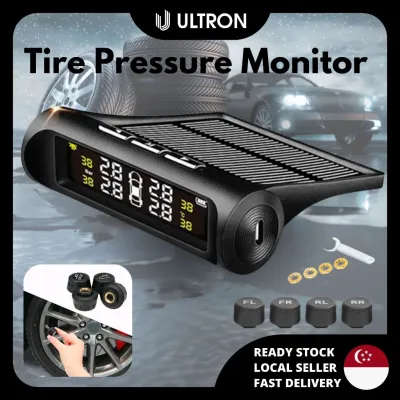
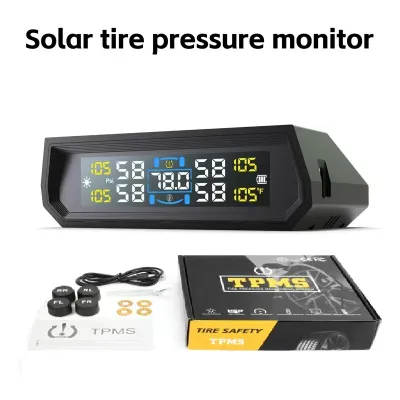
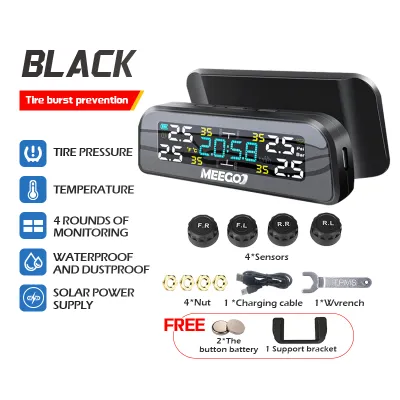
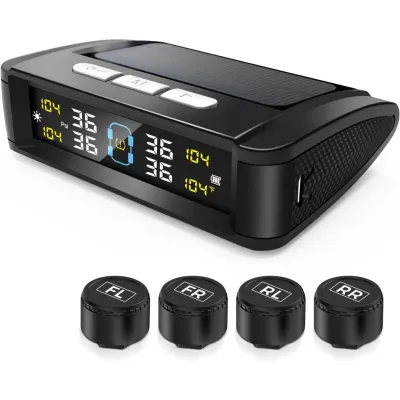
Prices are valid at publication and may change. Please refer to the product page for the latest price.
Internal TPMS sensors are installed inside the tire cavity. They are typically integrated directly with the valve stem or secured to the inner barrel of the wheel. Because they sit inside the sealed environment of the tire, they measure the internal air pressure and temperature directly from the source. The sensor body contains a pressure transducer, a temperature sensor, a radio transmitter, and a built-in battery, all sealed in a protective housing.
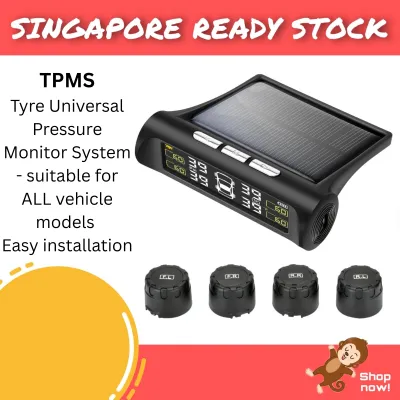
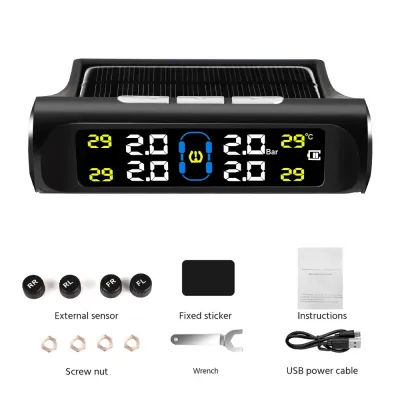
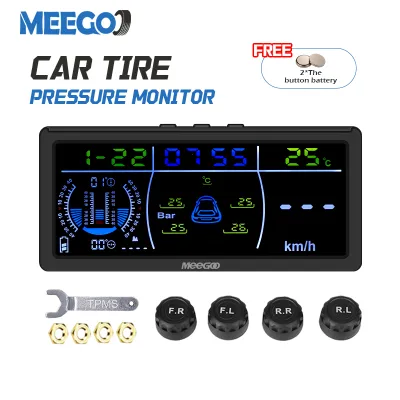
External TPMS sensors, on the other hand, are designed to screw directly onto the external threads of your existing valve stems, replacing the standard plastic dust caps. These sensors depress the valve core slightly to allow air to flow into the sensor chamber, where the pressure is measured. Like internal sensors, they contain a small transmitter and battery, but the entire assembly is exposed to the outside environment.
Both systems transmit data wirelessly to a receiver inside the vehicle cabin. This receiver can be a dedicated dashboard display, a plug-in cigarette lighter monitor, or a smartphone application connected via Bluetooth. The transmission frequency typically operates on standard radio bands, sending updates at regular intervals or immediately if a rapid drop in pressure is detected.
Comparing Accuracy, Maintenance, and Wheel Compatibility
When evaluating internal versus external sensors, several practical factors come into play, including measurement accuracy, battery maintenance, physical vulnerability, and compatibility with your specific wheels.

Accuracy and response time are critical for any safety system. While both sensor types are capable of providing reliable readings, you should check the manufacturer’s specifications and independent testing labels on the packaging to verify the accuracy tolerance of a specific model. Internal sensors, being inside the tire, are shielded from external temperature fluctuations caused by wind, rain, or direct sunlight on the wheel face. External sensors can sometimes be influenced by ambient weather conditions or heat radiating from the brake rotors, which may slightly affect their temperature readings.
Maintenance and battery replacement represent a major point of divergence between the two designs. Internal sensors typically feature a completely sealed casing to protect the electronics from the high-pressure, high-moisture environment inside the tire. This means that when the internal battery eventually depletes, the entire sensor unit must usually be replaced. Because replacing an internal sensor requires dismounting the tire, this task is best coordinated with regular tire replacements to minimize labor costs. Conversely, external sensors generally feature user-replaceable coin-cell batteries. You can easily unscrew the sensor cap, swap the battery at home, and reinstall the sensor without visiting a tire shop. Always verify the expected battery life on the product label before purchasing.
Physical vulnerability and the risk of theft are also important considerations. External sensors are highly visible and exposed to environmental hazards such as heavy tropical rain, road debris, and automated car washes. They are also susceptible to theft or vandalism, although many manufacturers include specialized lock nuts and wrenches to deter casual tampering. Internal sensors are completely protected from these external elements and are impossible to steal without dismounting the tire. If you frequently park in public areas or drive through harsh weather, the physical security of an internal system offers significant peace of mind.
Wheel and valve stem compatibility must be verified before making a purchase. External sensors add physical weight to the end of the valve stem. If your vehicle is equipped with flexible rubber valve stems, the centrifugal force generated at highway speeds can cause the stem to bend, potentially leading to rubber fatigue, cracking, or air leaks over time. For this reason, external sensors are highly recommended for use only with rigid metal valve stems. Additionally, you must check the physical clearance between the installed external sensor and the wheel rim or brake caliper to ensure there is no risk of contact during wheel rotation. Internal sensors do not present these clearance issues, but you must still ensure the sensor’s valve stem angle is compatible with the profile of your alloy wheels.
Which Sensor Type Fits Your Vehicle and Tire Setup?
Choosing the right TPMS sensor type requires matching the technology to your specific vehicle configuration, driving habits, and maintenance preferences.
You should choose internal sensors if you prefer a clean, original equipment manufacturer (OEM) appearance and want a set-and-forget solution. Internal sensors are ideal for daily drivers with standard alloy wheels who plan to keep their vehicles for several years. Since the installation is permanent and protected, you do not have to worry about removing sensors when inflating your tires or washing your car. If you already have a scheduled tire replacement or wheel balancing service coming up, installing internal sensors at the same time is highly cost-effective.
You should choose external sensors if you prioritize a quick, tool-free DIY installation and want the flexibility to move the system between different vehicles or wheel sets. External sensors are excellent for drivers who maintain separate sets of wheels for track days, off-road use, or seasonal driving, as the sensors can be swapped in minutes. They are also highly convenient for monitoring spare tires, trailers, or older vehicles that lack any built-in monitoring system.
Before purchasing any aftermarket TPMS, you must verify if your vehicle is already equipped with a factory-fitted system. Many modern vehicles utilize either a direct TPMS (with factory internal sensors) or an indirect TPMS (which estimates pressure using the anti-lock braking system to monitor wheel speed). Adding an aftermarket system to a vehicle with an existing TPMS requires careful planning. You must check for potential signal interference between the aftermarket receiver and the factory sensors, ensure the aftermarket display does not clutter your dashboard, and understand how to manage redundant warning lights if a factory sensor has failed.
Installation Requirements and Safety Boundaries
Installing tire pressure sensors involves critical safety components of your vehicle. Understanding the installation process and knowing when to seek professional assistance is vital for maintaining road safety.
Installing internal TPMS sensors is a complex, multi-step process that requires specialized equipment. The tire must be completely deflated, the bead broken, and the tire partially or fully dismounted from the wheel rim. The old valve stem must be removed, and the new TPMS sensor and valve assembly must be carefully torqued to the manufacturer’s exact specifications to prevent leaks. Once installed, the tire must be remounted, inflated, and critically, the entire wheel assembly must be re-balanced on a balancing machine to compensate for the weight of the new sensor. Because improper tire mounting or balancing can lead to high-speed vibrations, tire damage, or sudden air loss, you must have internal sensors installed by a qualified technician at a certified tire shop.
Installing external TPMS sensors is a straightforward DIY task, but it still requires careful attention to detail to ensure safety. Before installing external sensors, thoroughly inspect your existing valve stems for any signs of cracking, dry rot, or physical damage. If the valve stems are worn, they must be replaced before proceeding. To install the sensors, clean the valve stem threads with a dry cloth to remove dirt and corrosion. If your kit includes anti-theft lock nuts, slide the lock nut onto the valve stem first. Screw the external sensor onto the stem firmly until you hear a brief hiss of escaping air stop, indicating the sensor has fully seated and depressed the valve core. Finally, use the provided wrench to back the lock nut up against the base of the sensor, securing it in place. After installation, spray a solution of soapy water onto the valve stem and sensor connection; if you observe any bubbling, remove the sensor immediately and inspect the threads and internal gasket for damage.
There are several safety stop conditions where you must halt installation and consult a professional. If you discover damaged or severely corroded valve stems, cracked wheel rims, or if you cannot achieve an airtight seal with an external sensor, do not drive the vehicle. Additionally, if your TPMS warning light remains illuminated or if the receiver fails to display readings after completing the calibration process outlined in the product manual, consult a qualified automotive technician to diagnose potential signal blockage, sensor failure, or system compatibility issues.
Frequently Asked Questions (FAQ)
Can I use external TPMS sensors on a car that already has internal sensors?
You should check your vehicle’s owner’s manual and the aftermarket monitor’s technical specifications before attempting to run parallel systems. Generally, it is recommended to rely on your vehicle’s factory-fitted system or replace faulty internal sensors with compatible OEM-spec replacements rather than stacking an aftermarket external system on top. Running multiple wireless monitoring systems simultaneously can lead to radio frequency interference, which may cause intermittent signal loss, inaccurate readings, or confusing dashboard warning lights.
Do external TPMS sensors affect wheel balancing?
External TPMS sensors add a small amount of physical weight directly to the end of the valve stem. Because this mass is positioned at the outermost edge of the rotating wheel assembly, even a minor weight addition can potentially disrupt the wheel’s balance, particularly at higher speeds. When installing external sensors, you should consult a professional tire shop to determine if your specific wheel and tire combination requires re-balancing to prevent high-speed vibrations and uneven tire wear.

Community discussion
Share your experience or ask a question. Comments are reviewed before publication.