
Maintaining correct tire pressure is one of the most critical yet overlooked aspects of vehicle maintenance for drivers in Singapore. With the combination of high ambient temperatures, sudden tropical downpours, and stop-and-go urban traffic, your tires undergo constant thermal and pressure fluctuations.
Choosing the right tire pressure monitor involves evaluating your vehicle’s existing technical setup, deciding between direct and indirect measurement systems, selecting a reliable power source for the display receiver, and ensuring physical compatibility with your wheel valves.
By matching these technical specifications to your daily driving habits and parking conditions, you can prevent premature tire wear, optimize fuel efficiency, and significantly reduce the risk of high-speed punctures on expressways.
Products mentioned in this guide
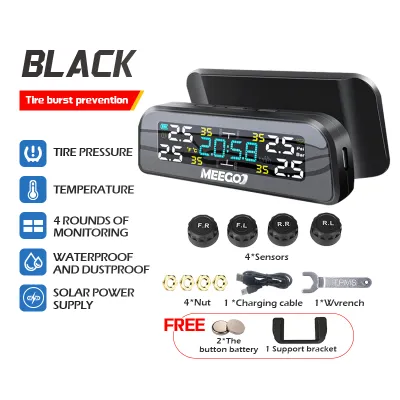

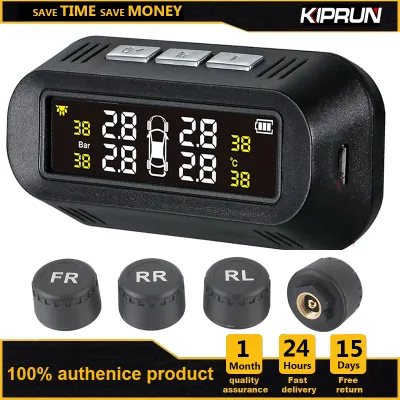
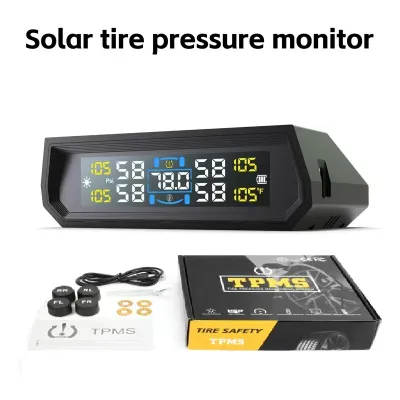
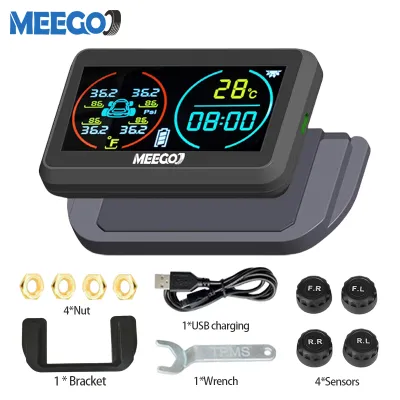

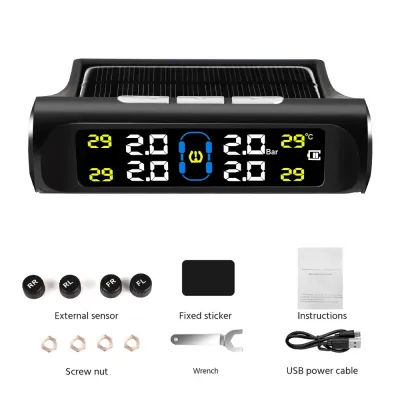
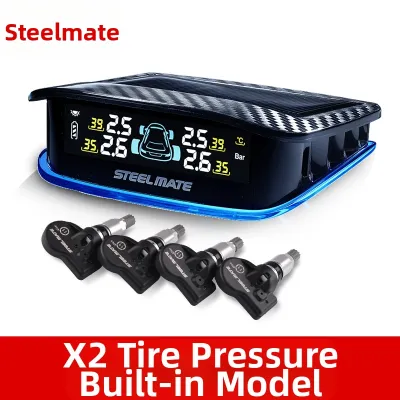
Prices are valid at publication and may change. Please refer to the product page for the latest price.
Direct vs. Indirect Systems: Which One Fits Your Vehicle?
To make an informed decision, you must first understand the fundamental difference between direct and indirect tire pressure monitoring systems (TPMS). A direct system utilizes physical pressure sensors mounted on each wheel, either attached to the valve stem externally or secured inside the tire cavity.
These sensors measure the actual air pressure and temperature inside the tire chamber and transmit this data wirelessly to a dashboard receiver. This setup provides highly accurate, real-time readings for each individual tire, allowing you to detect even minor pressure drops before you begin driving.
In contrast, an indirect system does not measure air pressure directly. Instead, it relies on the vehicle’s existing Anti-lock Braking System (ABS) wheel speed sensors to monitor the rotational speed of each wheel.
An under-inflated tire has a slightly smaller diameter, causing it to roll faster than a properly inflated one. The vehicle’s onboard computer detects this discrepancy and triggers a dashboard warning light.
While cost-effective and maintenance-free because they require no dedicated wheel sensors, indirect systems have notable limitations. They cannot display real-time pressure figures, struggle to detect slow, uniform leaks across all four tires, and cannot provide warnings when the vehicle is stationary.
For drivers who prioritize precise, preventative safety monitoring, a direct system is generally the necessary choice. This is especially true if your vehicle is equipped with low-profile tires, which are common on modern sedans and sportier models in Singapore.
Low-profile tires have stiff sidewalls that make visual inspection of under-inflation incredibly difficult, meaning a tire could be dangerously low on air without looking flat. Direct monitoring ensures you receive immediate alerts the moment pressure deviates from the recommended threshold, protecting both your expensive alloy rims and your safety.
Display Power Options: Solar vs. Battery vs. Hardwired
Once you select a direct system, you must choose how the receiver unit on your dashboard receives power. Solar-powered displays are highly popular due to their convenience and clean, wireless installation.

These units feature a small solar panel integrated into the top of the housing, designed to sit on your dashboard and continuously trickle-charge the internal battery using ambient sunlight. This setup eliminates unsightly cables running down your center console.
However, you must consider your parking habits; if you primarily park in sheltered HDB multi-storey carparks, basement office lots, or residential garages, the solar panel may not receive sufficient light to maintain a charge, requiring occasional manual USB charging.
Battery-powered or USB-rechargeable units offer a reliable alternative for vehicles with heavily shaded dashboards or those parked indoors for extended periods. While Singapore’s Land Transport Authority (LTA) regulates the light transmittance levels of window tints, even compliant solar-control films can significantly reduce the specific ultraviolet and infrared wavelengths that solar panels rely on to charge efficiently.
A dedicated USB-powered display ensures consistent operation regardless of weather conditions or window tint density, though it does require routing a charging cable to your car’s 12V accessory socket or USB port.
For a completely seamless and permanent installation, hardwired or OBD-II connected displays are the preferred choice. These receivers are wired directly into your vehicle’s fuse box or plugged into the OBD-II diagnostic port, allowing them to power on and off automatically with the ignition.
This method completely eliminates exposed wires and the need to monitor battery levels or solar exposure. Because hardwiring involves tapping into your vehicle’s electrical system, it is highly recommended to have this work performed by a qualified automotive technician to avoid voiding your vehicle’s warranty or interfering with sensitive onboard electronics.
Sensor Types and Valve Compatibility
The physical sensors that measure your tire pressure come in two primary configurations: external valve cap sensors and internal valve stem sensors. External sensors simply screw onto your existing valve stems in place of standard dust caps.
They are incredibly easy to install as a DIY project, requiring no specialized tools, and their batteries (typically standard button cells) can be easily replaced at home. However, external sensors are highly visible, making them vulnerable to theft or vandalism, and they are constantly exposed to Singapore’s harsh road grime, heavy rain, and puddles, which can accelerate wear on the seals.
Internal sensors, on the other hand, are mounted inside the tire, directly attached to the inner end of the valve stem. This positioning completely protects them from environmental damage, road debris, and theft.
They also offer a much cleaner, factory-original aesthetic. The trade-off is installation complexity; fitting internal sensors requires a professional tire shop to demount the tires from the rims, install the sensors, and then remount and rebalance the wheels.
Additionally, when the internal sensor batteries eventually deplete after several years, the entire sensor unit must typically be replaced, requiring another trip to the workshop.
Before purchasing any aftermarket system, you must verify the physical compatibility of the sensors with your wheels. Check the thread size of your valve stems and pay close attention to the materials used.
Mixing mismatched metals—such as screwing an aluminum external sensor cap onto a brass valve stem—can cause galvanic corrosion, especially in humid tropical environments. This chemical reaction can fuse the sensor to the valve stem, making it impossible to inflate your tires or remove the sensor without damaging the valve.
Ensure you match aluminum sensors with aluminum stems, or brass with brass, or use sensors with protective non-corrosive plastic inserts.
If you are attempting to integrate aftermarket sensors with your vehicle’s native, factory-installed receiver, you must also verify the wireless transmission frequency. Most automotive TPMS systems operate on either 315 MHz or 433 MHz frequencies.
Installing sensors that operate on the wrong frequency will prevent them from communicating with your car’s Electronic Control Unit (ECU). Always consult your vehicle’s owner manual or contact an authorized dealer to confirm the exact frequency and sensor protocol required for your specific model and year before making a purchase.
Essential Alert Features and Display Readability
A tire pressure monitor is only useful if it effectively communicates critical information when you are on the road. Look for a system that allows you to customize the high and low-pressure alert thresholds.
These thresholds should be set based on the manufacturer’s recommended cold tire inflation pressure, which can be found on the placard located on your driver’s side door jamb or in your owner’s manual.
A system with rigid, non-adjustable thresholds may trigger false alarms when your tires naturally warm up during a drive, or fail to alert you when pressure drops to a level that is still technically within the system’s default range but dangerously low for your specific vehicle.
Temperature monitoring is another essential feature to prioritize. As you drive on expressways like the PIE, KPE, or AYE, friction causes the air inside your tires to heat up, which naturally increases tire pressure.
However, an abnormal or rapid spike in temperature in a single tire can indicate a serious underlying issue, such as a sticking brake caliper, a failing wheel bearing, or extreme sidewall flexing due to severe under-inflation. Having a clear, real-time display of tire temperature allows you to pull over and investigate before a catastrophic tire blowout occurs.
Display readability is equally critical under Singapore’s intense tropical sunlight. Look for high-contrast displays with adjustable brightness levels or automatic backlighting that transitions smoothly between bright daytime driving and dark night conditions.
The screen layout should be intuitive, allowing you to read the status of all four tires at a single glance without taking your eyes off the road for more than a split second. Additionally, ensure the system features both visual flashing indicators and distinct audible alarms, as a loud warning sound is often the quickest way to grab your attention during a sudden pressure loss event.
Pre-Purchase Verification and Installation Checklist
Before finalizing your purchase of a tire pressure monitoring system, perform a thorough pre-purchase check to ensure a seamless installation and full compliance with local automotive standards. Start by reviewing your vehicle’s owner manual to confirm if your car already has an active or dormant factory TPMS.
Some vehicles come equipped with the necessary receiver hardware but require software activation or specific OEM sensors to function. Understanding your car’s native capabilities can save you the expense and clutter of adding an entirely separate aftermarket display unit to your dashboard.
Next, consider the physical and regulatory implications of your chosen sensor type. If you opt for external valve cap sensors, ensure they do not protrude past the outermost edge of your wheel arches, as this can violate Land Transport Authority (LTA) safety guidelines regarding vehicle dimensions and pedestrian safety.
For internal sensors, remember that adding any weight to the wheel assembly alters its balance. You must have the wheels professionally balanced after installing internal sensors to prevent steering wheel vibrations, uneven tire wear, and suspension strain at higher speeds.
Finally, establish a clear plan for installation. While external sensors are straightforward to install yourself, internal sensors require specialized equipment.
Plan to visit a reputable, professional tire shop to handle the installation of internal sensors. A qualified technician will have the correct bead-breaking tools to safely demount your tires without damaging your alloy rims or the new sensors, and they can perform the precise wheel balancing required to keep your ride smooth and safe.
Frequently Asked Questions (FAQ)
Can I use an aftermarket TPMS if my car already has a factory system?
Yes, you can install an aftermarket TPMS even if your vehicle is already equipped with a factory system. Some drivers choose to do this to obtain real-time numerical pressure and temperature readings that their basic factory warning light system does not display.
However, you must ensure that the aftermarket sensors do not operate on the exact same frequency as your factory sensors if they are mounted close together, as this can cause signal interference. Using an independent aftermarket system with its own dedicated dashboard display is generally the safest way to run a dual setup without triggering error codes on your car’s main instrument cluster.
Do external valve cap sensors affect wheel balancing?
External valve cap sensors are heavier than standard plastic dust caps, typically weighing between 5 to 10 grams. While this might seem negligible, even a small weight imbalance at the outer edge of a spinning wheel can create noticeable vibrations at expressway speeds.
If you experience any steering wheel shimmy or unusual ride vibrations after screwing on external sensors, you should visit a tire workshop to have your wheels balanced with the sensors actively installed on the valve stems. This ensures the entire rotating mass is perfectly counterbalanced for a smooth and safe drive.
Community discussion
Share your experience or ask a question. Comments are reviewed before publication.