
In a tropical climate like Singapore, parking your car under the open sky even for a short duration can quickly turn the cabin into an oven. The Hyundai Kona, with its expansive glass surfaces and modern interior styling, is particularly susceptible to solar heat gain and ultraviolet (UV) radiation. Protecting your vehicle’s dashboard, upholstery, and electronic components requires a systematic approach to selecting the right sun protection.
Finding the ideal sun shade for your Hyundai Kona is not a matter of choosing a single universal product. Instead, it depends on achieving an exact fitment, evaluating material quality, and matching the shade’s design to your daily usage habits. A poorly fitting shade allows heat to bypass the barrier, while a high-quality, custom-fit alternative can significantly reduce cabin temperatures and protect your interior from long-term sun damage. This guide will help you evaluate fitment standards, shade mechanisms, and material specifications to make an informed purchase.
Understanding Your Hyundai Kona's Window Dimensions and Fitment Needs
When shopping for a sun shade, the first and most critical factor to consider is the generation of your Hyundai Kona. The first-generation Kona (produced from 2017 to 2023) and the second-generation Kona (introduced from 2023 onwards) have completely different body dimensions, windshield curvatures, and side window shapes. The second-generation model features a larger overall footprint, resulting in a wider, taller windshield and redesigned side glass panels. Attempting to use a first-generation shade on a second-generation model, or vice versa, will inevitably lead to significant fitment gaps or an inability to secure the shade in place.
Products mentioned in this guide

Prices are valid at publication and may change. Please refer to the product page for the latest price.
Generic “universal” sun shades often present major challenges for Kona owners. These mass-market options are designed to fit a wide range of vehicles, which usually means they are either too small—leaving large gaps along the A-pillars that let in direct sunlight—or too large, requiring you to force the material into place. Furthermore, universal shades rarely account for the specific shape of the Kona’s rearview mirror assembly and the surrounding Advanced Driver Assistance Systems (ADAS) sensor housing.
Before purchasing any sun shade, you must verify your vehicle’s exact model year, generation, and trim level. The presence of specific safety packages or interior trims can alter the physical space around the upper windshield. For instance, models equipped with comprehensive SmartSense safety suites feature a bulkier camera and sensor housing behind the rearview mirror. A proper sun shade must feature a dedicated cutout or a highly flexible upper border to accommodate this housing without putting physical pressure on the sensors or blocking their forward-facing lenses.
Comparing Sun Shade Types for Windshield and Side Windows
To establish an effective thermal barrier for your Hyundai Kona, it is helpful to divide your search into two primary zones: the front windshield and the side passenger windows. The front windshield is the largest single entry point for solar radiation and requires a heavy-duty, highly reflective barrier. The side windows, on the other hand, require a solution that balances heat rejection with passenger comfort and driver visibility.

Each zone utilizes different deployment mechanisms, mounting styles, and material compositions. Understanding how these categories perform in daily scenarios will help you decide which combination best suits your parking habits and driving routine.
Windshield Shades: Foldable, Retractable, and Umbrella Styles
Front windshield shades are available in several distinct designs, each offering unique trade-offs in terms of storage, deployment speed, and coverage:
- Accordion-Fold and Roll-Up Shades: These traditional shades are typically constructed from multi-layered materials, featuring a reflective foil outer layer and a soft felt or foam backing. They offer excellent structural rigidity, meaning they stay flush against the glass when supported by the Kona's sun visors. The primary drawback is their storage size; they can be bulky and awkward to store within reach of the driver's seat, often requiring you to place them in the rear footwell or the boot.
- Retractable Roller Shades: These shades mount semi-permanently to either the passenger-side A-pillar or the bottom of the windshield. They pull across the glass and latch into place in a single motion, making them incredibly convenient for drivers who make frequent short stops. However, because they operate on a fixed roller mechanism, they may not cover the extreme corners of the windshield, and you must verify that the mounting brackets do not interfere with the vehicle's side curtain airbags or trim panels.
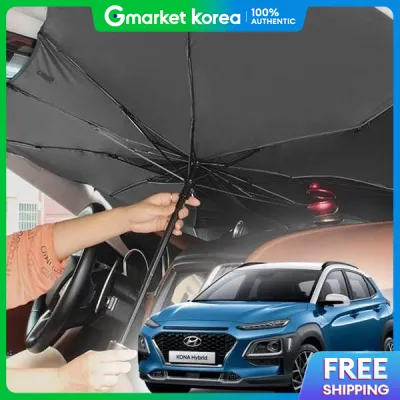
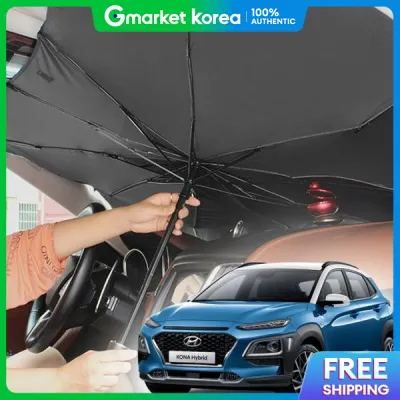
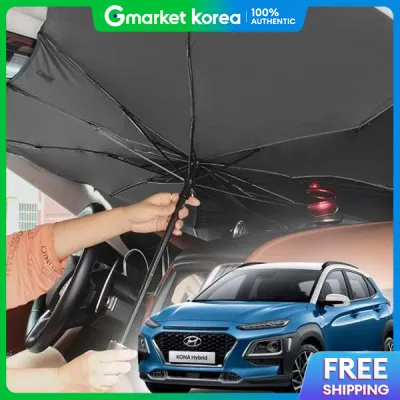
- Umbrella-Style Shades: A relatively modern design, these shades deploy exactly like a standard rain umbrella, using tensioned metal or fiberglass ribs to stretch a reflective fabric across the windshield. While they fold down into a highly compact shape that easily fits into the glovebox or door pocket, they require careful handling. The central shaft or handle can easily scratch the Kona's infotainment screen or dashboard if deployed carelessly, and the tensioned ribs must be checked to ensure they do not press against the delicate ADAS sensor housing behind the rearview mirror.
Regardless of the mechanism you choose, look for a shade that features a highly reflective outer layer (such as aluminum foil or silver-coated polyester) to bounce away solar radiation, paired with a soft, non-abrasive inner layer to prevent scuffing the dashboard surface over time.
Side Window Shades: Static Cling, Magnetic, and Custom-Fit Mesh
Side window protection is essential for keeping rear-seat passengers comfortable and reducing the overall thermal load on your air conditioning system. The three main options include:
- Static Cling Shades: These shades use a thin, flexible plastic film that adheres directly to the glass using static electricity. They are highly cost-effective and can cover the entire window pane. However, they can reduce visibility, especially during night driving or heavy rain, and they must be removed if you want to roll the windows down.
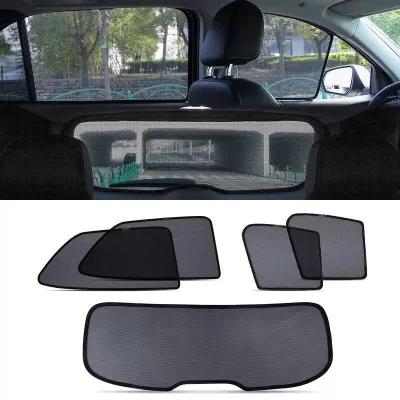
- Custom-Fit Mesh Screens: These are designed to match the exact contour of the Kona's side window frames. They allow the window glass to be rolled down slightly for ventilation while still keeping insects and direct sunlight out. Because they are made of a fine mesh, they offer a balance of shade and outward visibility.
- Magnetic and Clip-On Shades: Magnetic shades use small, powerful magnets sewn into the fabric border to cling to the metal window frame. For the Hyundai Kona, it is crucial to verify whether the inner door frame is made of exposed steel or covered in plastic trim. If the frame is fully clad in plastic, magnetic shades will require adhesive metal clips to stay in place.
When selecting side window shades, you must also consider legal and safety regulations in Singapore. The Land Transport Authority (LTA) enforces strict guidelines regarding Visible Light Transmission (VLT). The front side windows must allow at least 70% of light to pass through, while the rear side windows must allow at least 25%. Any aftermarket shade used while the vehicle is in motion must comply with these safety standards to ensure the driver’s view of the side mirrors remains completely unobstructed.
Key Material and Performance Features to Evaluate
To ensure you are purchasing a high-quality product rather than relying on marketing buzzwords, you should critically assess the material specifications of any sun shade:
- UV Blockage and Thermal Insulation: Do not rely on vague claims of "heat-proof" performance. Look for technical specifications such as UPF (Ultraviolet Protection Factor) ratings or specific UV-A and UV-B blockage percentages (ideally 99%). Thermal insulation is determined by the thickness and composition of the barrier layers; multi-layered bubble foil or high-density foam cores provide a physical barrier that slows down heat transfer into the cabin.
- Structural Integrity: A sun shade is only effective if it stays in place. Foldable shades should feature a rigid frame or high-tensile memory wire along the perimeter. This prevents the shade from sagging or collapsing under its own weight when exposed to intense cabin heat over several hours.
- Odor-Free and Non-Off-Gassing Materials: When a car is parked under direct sunlight in Singapore, interior temperatures can exceed 60°C. Cheap plastics, adhesives, and synthetic fabrics can release volatile organic compounds (VOCs) or unpleasant chemical odors under these conditions. Ensure the product specifications explicitly state the use of high-temperature resistant, non-toxic, and odor-free materials to maintain healthy cabin air quality.
How to Verify Fitment and Avoid Sizing Issues Before Purchase
Before purchasing a sun shade from an online marketplace or automotive accessory store, follow this practical checklist to confirm exact compatibility with your Hyundai Kona:
- Cross-Reference the Compatibility List: Do not rely solely on a product title that includes "Hyundai Kona." Check the detailed compatibility matrix provided by the manufacturer. Ensure it specifies your exact model generation (e.g., OS series for first-generation, SX2 series for second-generation) and body style.
- Take Manual Measurements: If a product is listed as "semi-custom" or "universal fit," take manual measurements of your Kona's windshield. Measure the maximum width at the base, the width at the top, and the vertical height from the dashboard to the headliner. Compare these dimensions against the product's sizing chart, leaving a small margin for the rearview mirror cutout.
- Analyze Buyer Reviews: Look for feedback from other Hyundai Kona owners. Pay close attention to comments regarding how well the shade fits around the central infotainment screen and the ADAS sensor housing. Reviews that mention "gaps along the A-pillar" or "difficulty folding around the mirror" are strong indicators of fitment issues.
Safe Installation, Storage, and Maintenance Practices
Proper handling and care will maximize the lifespan of your sun shades and protect your Kona’s interior from accidental damage:
- Correct Folding Techniques: For shades utilizing memory wire or spring-steel frames, avoid forcing or twisting the frame in unnatural directions. Follow the manufacturer's instructions—typically a "figure-eight" twisting motion—to collapse the shade without bending or snapping the internal wire. For accordion-style shades, fold along the pre-creased lines to maintain their structural memory.
- Cleaning and Maintenance: Reflective outer coatings can lose their effectiveness if covered in dust, fingerprints, or grease. Clean them periodically using a soft microfiber cloth dampened with water or a mild, non-abrasive soap solution. Avoid harsh chemical cleaners or alcohol-based solvents, which can degrade the reflective coating or damage mesh fabrics. Allow the shade to dry completely before folding and storing.
- Safe Storage: Store your sun shades in their designated protective sleeves or pouches when not in use. Loose shades rolling around the cabin can get stepped on, bent, or scratch the Kona's interior trim, leather seats, or soft-touch plastics. Keep them tucked away in the door pockets, behind the front seats, or in the boot.
Frequently Asked Questions (FAQ)
Do I need a different sun shade if my Hyundai Kona has a sunroof?
Yes, standard windshield and side window shades do not protect against solar heat entering through the glass roof. If your Kona is equipped with a panoramic or standard sunroof, a dedicated sunroof shade is highly recommended. These are typically custom-fit mesh screens or reflective inserts that attach via suction cups or tension clips, helping to block overhead heat and glare without interfering with the sunroof’s mechanical operation.
Can I use a universal sun shade if I cannot find a custom fit for the Kona?
While a custom-fit shade is always preferred for complete coverage, you can use a universal shade as a temporary solution. If you must buy a universal model, choose an oversized option rather than one that is too small. Excess material can often be tucked behind the sun visors or folded slightly along the edges to minimize gaps. However, ensure the extra material does not put pressure on the rearview mirror or block the forward-facing ADAS camera.
Will leaving a sun shade on the windshield damage the ADAS sensors behind the rearview mirror?
It can if the shade is not designed with a proper cutout. The Hyundai Kona’s ADAS camera and sensor module are sensitive to both physical pressure and extreme heat. A sun shade that presses tightly against the sensor housing can misalign the camera. Additionally, if a highly reflective shade traps heat directly against the glass where the sensors are mounted, it can cause the electronics to overheat. Always choose a shade with a deep, hook-and-loop secured cutout that wraps safely around the mirror bracket, leaving the sensor housing uncovered on the cabin side.

Community discussion
Share your experience or ask a question. Comments are reviewed before publication.