
Alloy wheels are a striking feature of any modern vehicle, but they are constantly subjected to road grime and highly abrasive brake dust. Keeping them clean requires more than a quick splash of soapy water, which is why a dedicated wheel rim cleaner is a staple in any car care routine. However, using these specialized chemical formulas incorrectly can lead to permanent staining, etching, or peeling of the wheel’s protective finish.
To clean your alloy wheels safely, you must match the chemical properties of your chosen cleaner to the specific finish of your wheels, prepare the surfaces correctly, and strictly control the contact time. By adopting a methodical, step-by-step approach, you can dissolve stubborn brake dust and road grime without compromising the integrity of the underlying metal or clear coat. This guide outlines the exact procedures, tools, and precautions necessary to achieve a spotless, damage-free finish on your alloy wheels.
Understanding Your Alloy Wheels and Cleaner Compatibility
Before spraying any chemical onto your wheels, you must identify the exact type of finish applied to the alloy. Most modern factory wheels feature a clear-coated finish, which is a layer of transparent paint that seals the underlying aluminum. Other common finishes include painted finishes, highly polished bare aluminum, anodized surfaces, and chrome plating. Each of these surfaces reacts differently to chemical agents, meaning a product that is perfectly safe for a clear-coated wheel could permanently ruin a polished bare alloy wheel.
Products mentioned in this guide
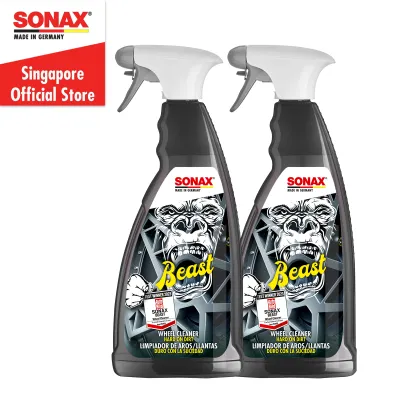
527 Lazada user ratings
Shipping was fast. Chemical smell is strong but it’s very powerful. Removes the brake dust stains that I thought was permanent on my rims. U…Read full reviewShow less
Shipping was fast. Chemical smell is strong but it’s very powerful. Removes the brake dust stains that I thought was permanent on my rims. Used half a bottle to clean my 4 rims. The free air-con cleaner came in a separate delivery few days later.
Got my parcel in good condition. 2 new bottles with no leakage. Put the beast cleaner to the test immediately. Must say that I’m rather impr…Read full reviewShow less
Got my parcel in good condition. 2 new bottles with no leakage. Put the beast cleaner to the test immediately. Must say that I’m rather impressed with the result. Powerful stuff, easy to use and definitely does its job. Thumbs up.
second time ordering, smells pleasant and also very effective at cleaning brake dust
Am pretty it will work as per description. had full faint withsobax products
Fast delivery and packed well. Repeated ordered and Come with little gift
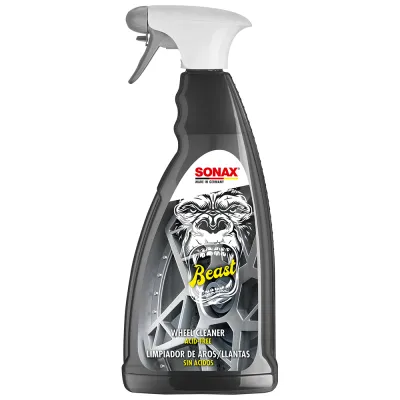
119 Lazada user ratings
well packed and delivery was fast. yet to use but as advertised
yet to use. hopefully it works well.
received in good condition.
Quality:good
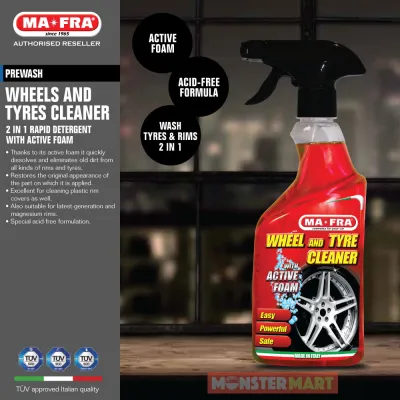
97 Lazada user ratings
Received in good condition packing
have not tried yet
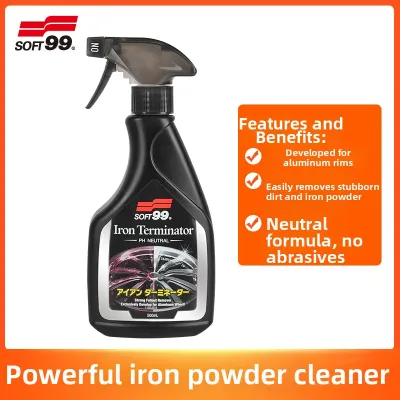
21 Lazada user ratings
item received in good condition.. thank you for the selivery..
Very fast delivery. Individually packed nicely.
Free gift happy
134 Lazada user ratings
ok. delivery took quite awhile too but overall it's still fine
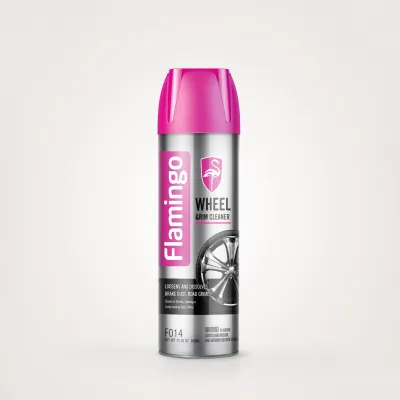
👌Ease of Use:Easy to use spray, Gentle on wheel surfaces,
Protects against corrosion, Efficient cleaning power,
Prices are valid at publication and may change. Please refer to the product page for the latest price.
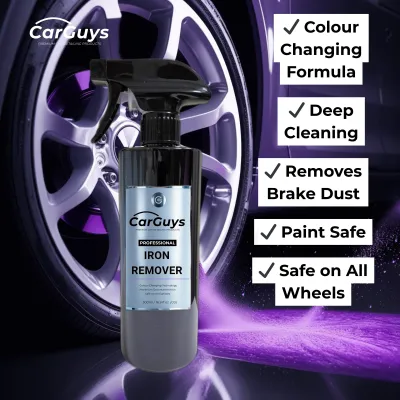
Reading the product label of your wheel rim cleaner is the most critical step in preventing chemical damage. Manufacturers formulate these cleaners with varying pH levels, categorizing them as acidic, alkaline, or pH-neutral. Acidic cleaners are highly effective at dissolving severe brake dust but can rapidly etch bare aluminum or damaged clear coats. Alkaline cleaners are excellent for breaking down organic road grime and grease but still require caution on sensitive finishes. For most routine maintenance and sensitive wheel types, a pH-neutral, color-changing cleaner is a highly compatible choice because it targets iron particles without attacking the wheel finish.
Always consult your vehicle manufacturer’s owner’s manual or wheel care guidelines before introducing any new chemical cleaner. Some manufacturers explicitly warn against using acidic or highly alkaline products, recommending only mild soap and water or specific pH-neutral formulas. If you are unsure about your wheel’s finish or the compatibility of a cleaner, perform a spot test on a small, inconspicuous area—such as the inside of the wheel barrel—before applying the product to the entire wheel face.
Essential Tools and Materials for Safe Wheel Cleaning
Achieving a thorough clean without scratching the delicate alloy surface requires a dedicated set of detailing tools. Standard household sponges or stiff-bristle household brushes are too abrasive and will leave fine swirl marks or deep scratches in the clear coat. Instead, invest in a high-quality, soft-bristle wheel brush designed specifically for automotive use. These brushes typically feature flagged synthetic bristles or soft microfiber heads that gently agitate dirt without scouring the surface.

For tight spaces, such as lug nut pockets, valve stem areas, and intricate spoke designs, a set of soft detailing brushes is indispensable. These smaller brushes allow you to reach deep crevices where brake dust accumulates without putting excessive pressure on the wheel. Additionally, a dedicated microfiber wash mitt or a soft microfiber wheel wedge should be used exclusively for the flat faces of the spokes and the outer rim.
To prevent cross-contamination, you should establish a dedicated two-bucket system solely for your wheels, completely separate from the buckets used to wash the car’s painted body panels. Equip these wheel buckets with grit guards, which are plastic grates that sit at the bottom of the bucket to trap dirt particles. Finally, a reliable water source, such as a standard garden hose with a multi-pattern spray nozzle or a low-pressure setting on a pressure washer, is required to rinse away the loosened dirt and chemical residues effectively.
Step-by-Step Guide to Cleaning Alloy Wheels
Cleaning your wheels should always be the very first step in your overall car wash routine. If you wash the car body first, the process of spraying and agitating the wheels will inevitably splash highly corrosive brake dust, dirty water, and chemical cleaners onto your freshly cleaned paintwork. By addressing the wheels and tires first, you ensure that any accidental overspray or splattered grime is easily washed away when you proceed to clean the rest of the vehicle.
Preparation and Cooling the Wheels
The first physical step in the cleaning process is ensuring that the wheels are completely cool to the touch. Never apply a wheel rim cleaner immediately after driving or if the vehicle has been sitting in direct sunlight. High temperatures cause the chemical cleaner to evaporate rapidly, which can bake the active ingredients onto the alloy surface, leading to severe chemical etching, spotting, and permanent finish damage. If the wheels are warm, park the vehicle in a shaded area and allow them to cool down completely.
Once the wheels are cool, perform a thorough initial rinse using a strong stream of water from your hose or pressure washer. This step is crucial because it removes loose dirt, mud, and superficial brake dust before you apply any chemical cleaners or brushes. Removing this loose debris beforehand minimizes the risk of dragging abrasive particles across the wheel surface during the agitation phase, significantly reducing the likelihood of scratching the clear coat.
Applying the Wheel Rim Cleaner
Before applying the product, read the manufacturer’s instructions to determine if the wheel rim cleaner requires dilution. Some concentrated formulas must be mixed with water in a specific ratio, while ready-to-use spray bottles can be applied directly. If dilution is required, use a clean spray bottle and measure the ratios precisely to avoid creating an overly aggressive solution that could damage your wheel finish.
Begin spraying the wheel rim cleaner evenly, working from the bottom of the wheel upward. This bottom-up application technique prevents the cleaner from running down dry surfaces, which can create uneven chemical contact and lead to unsightly streaks. Ensure you cover the entire wheel face, the inner barrel, and the areas around the lug nuts. If your product is labeled safe for brake components, you can lightly spray the brake calipers, but always refer to your vehicle’s documentation and the cleaner’s label to ensure compatibility with your specific braking system.
Many modern pH-neutral wheel cleaners feature an active color-changing ingredient that turns purple or red as it reacts with iron-based brake dust. This visual indicator shows that the chemical is actively breaking down the sintered iron particles, allowing you to monitor the progress of the cleaning action. Allow the product to dwell on the surface for the exact duration specified on the product label, which is typically between two to five minutes.
Agitation and Dwell Time Techniques
While the cleaner is dwelling, you must monitor the surface closely to ensure the product does not dry out. Never exceed the manufacturer’s recommended maximum dwell time, as allowing the chemical to dry on the alloy can cause permanent staining. If you notice the cleaner starting to dry before you have finished agitating, mist the area lightly with water or apply a small amount of fresh cleaner to keep the surface wet.
Begin agitating the cleaner using your dedicated wheel brushes, starting with the inner barrel. Reach deep into the barrel with a long-reach barrel brush to loosen the thick accumulation of brake dust that settles behind the spokes. Next, switch to your soft detailing brush to clean the lug nut recesses, valve stems, and any intricate corners. Finally, use your microfiber wash mitt or a soft wheel wedge to gently wipe down the flat faces of the spokes and the outer rim.
Always work systematically, cleaning one wheel at a time from start to finish rather than applying cleaner to all four wheels simultaneously. This focused approach ensures that you can complete the agitation and rinsing steps well within the safe dwell time of the chemical. If at any point during agitation you suspect the cleaner is drying or if you are interrupted, stop agitating immediately and rinse the wheel thoroughly with clean water.
Rinsing and Drying
Once the agitation is complete, rinse the wheel thoroughly with a high-volume stream of clean water. Start rinsing from the top of the wheel and work your way down, ensuring that you flush out all chemical residues from the lug nut pockets, behind the spokes, and from the deep recesses of the inner barrel. Take extra care to rinse the brake calipers and suspension components that may have caught some of the overspray, as residual chemicals can cause corrosion over time.
After a complete rinse, do not allow the wheels to air dry, especially if you are working in an area with hard water. Air drying allows minerals in the water to settle on the clean alloy, leaving behind stubborn water spots that can be difficult to remove. Instead, dry the wheels immediately using a dedicated, clean microfiber drying towel. Alternatively, you can use a filtered air blower to force water out of the lug holes and crevices, ensuring a completely dry and spot-free finish.
Common Mistakes to Avoid When Cleaning Alloy Wheels
One of the most damaging mistakes car owners make is using inappropriate tools to scrub their alloy wheels. Stiff-bristle household scrub brushes, steel wool, or abrasive scouring pads will quickly destroy the clear coat or paint on your wheels, leaving behind a dull, scratched surface that is highly susceptible to corrosion. Always stick to soft, automotive-specific brushes and microfiber materials designed to lift dirt safely.
Another frequent error is ignoring the chemical dwell time or applying cleaners to hot wheels. Leaving an acidic or highly alkaline cleaner on the wheel surface for too long—or letting it dry in the sun—can cause chemical burns on the alloy, resulting in cloudy patches, white etching, or peeling clear coat. If a cleaner specifies a three-minute dwell time, set a timer and rinse it off promptly; leaving it on longer will not make the wheel cleaner, but it will increase the risk of damage.
Cross-contamination is also a major source of paint damage. Using the same wash mitt, sponge, or bucket for both your wheels and your car’s painted body panels transfers highly abrasive brake dust particles directly onto your paintwork. These tiny metal shards will act like sandpaper, creating severe swirl marks and scratches across your vehicle’s body. Always maintain a strict separation between your wheel cleaning gear and your paint wash gear.
Post-Cleaning Inspection and Maintenance Tips
Once the wheels are completely dry, perform a close visual inspection of the entire surface. Examine the wheel faces, the edges of the spokes, and the inner barrel under good lighting to check for any remaining brake dust, road tar, or chemical residue. If you spot any missed areas, spot-clean them gently with a mild car wash shampoo rather than reapplying the aggressive wheel cleaner.
To make future cleaning significantly easier, consider applying a protective barrier to your clean alloy wheels. A high-quality wheel sealant, synthetic wax, or a dedicated ceramic coating can be applied to the dry wheel surface, provided it is compatible with your specific wheel finish. These protective coatings create a slick, hydrophobic barrier that prevents brake dust and road grime from bonding tightly to the alloy, allowing you to wash away most dirt with simple car shampoo during your next wash.
Establish a regular wheel cleaning schedule to prevent heavy brake dust buildup from becoming a permanent issue. If your vehicle is equipped with high-performance semi-metallic brake pads, they will generate large amounts of highly corrosive dust that should be washed off weekly. For vehicles with ceramic brake pads or those driven primarily in clean, dry conditions, a bi-weekly or monthly cleaning routine is usually sufficient to maintain the pristine appearance of your alloy wheels.
Frequently Asked Questions (FAQ)
Can I use the same wheel rim cleaner on painted and bare alloy wheels?
You should not assume that a single wheel rim cleaner is safe for both painted and bare alloy wheels. Painted and clear-coated wheels have a protective layer that can withstand moderately alkaline or mild acidic cleaners, whereas bare, polished, or anodized aluminum wheels have no such protection. Bare aluminum is highly reactive and can easily be stained, dulled, or permanently etched by aggressive chemicals. Always check the product label for explicit compatibility with bare, polished, or anodized finishes before applying it to unprotected alloy wheels.
How often should I clean brake dust off my alloy wheels?
The ideal frequency for cleaning brake dust off your alloy wheels depends on your driving habits, the type of brake pads installed, and the environmental conditions you encounter. High-performance vehicles with semi-metallic brake pads generate highly abrasive dust that can quickly bake onto the wheel surface due to heat, requiring weekly cleaning. Regular visual inspections are the best way to determine when to clean; if you notice a dark grey or black film accumulating on your wheels, clean them promptly before the dust has a chance to bond permanently to the finish.

Community discussion
Share your experience or ask a question. Comments are reviewed before publication.