
Removing thick, baked-on brake dust from alloy wheels is one of the most frustrating detailing tasks, as the high heat generated during braking fuses metallic shavings and carbon particles directly into the wheel’s delicate surface. To safely dissolve this stubborn contamination without etching or clouding your alloy wheels, you must use a dedicated rim cleaner formulated with active iron-reducing agents or balanced pH-neutral surfactants that target metallic fallout while respecting the specific clear-coat or bare metal finish of your rims. Selecting the correct chemical formulation and application method ensures that you can restore the original luster of your wheels without causing irreversible chemical staining or compromising the integrity of your braking components.
Which Rim Cleaner Formulations Dissolve Baked-On Brake Dust Without Damaging Alloys?
To dissolve baked-on brake dust without damaging alloy wheels, you should use specialized iron-removing formulas containing sodium thioglycolate or pH-neutral chemical agents that target iron particles specifically. These formulations chemically bond with sintered iron fallout to liquefy the metallic debris without relying on highly corrosive acids that can eat through clear coats and bare aluminum.
Iron-removing fallout cleaners work through a specific chemical reaction known as chelation. The active ingredient, typically sodium thioglycolate or ammonium thioglycolate, targets the iron particles shed by your vehicle’s brake pads and rotors. When the cleaner comes into contact with these metallic particles, it breaks the bond between the iron and the wheel’s surface, converting the solid iron into a water-soluble complex. This reaction is highly selective, meaning the chemical specifically attacks the iron contamination without degrading the underlying clear coat, paint, or alloy metal.
Products mentioned in this guide
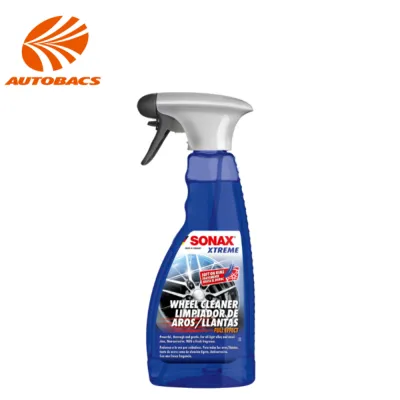
239 Lazada user ratings
Really strong Cleaning, for better result, spray wait and use brush to clean. you will be Surprise with the Result. Can Buy .
Collected within 3 days from purchase.
received in good condition. yet to use
Arrived on time. Yet to try.
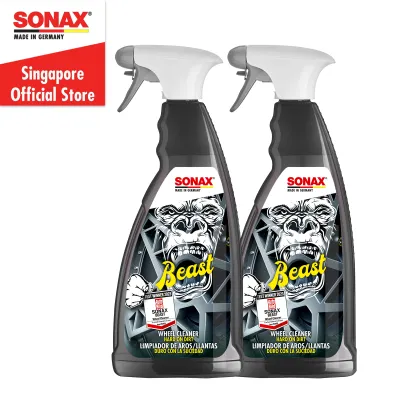
526 Lazada user ratings
No damage to wheel surfaces, Leaves rims shiny and clean, Great for maintaining wheel appearance,
👌Ease of Use: Very easy to use, Quick and easy to use, ✅Effectiveness: Long-lasting results,
Items received in good condition. Fast delivery. Yet to use. Hopefully it works well.
Wonderful product worked like a charm no scrubbing. Serioysly time saving
Apply, rub, spray down. Job done. Before and after photos.
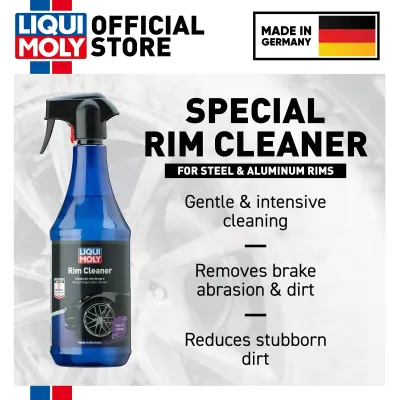
368 Lazada user ratings
Delivery was fast! Got the item within 3 days. As it was not shipped in a box, the bottle had a little dent presumably due to shipping.
Ordered 11.11 rcvd 15.11. Item well package. Courier is nice to inform upon delivery. Have been using this, repeat order
Receive the item in good condition. Will order when finish Quality: good Appearance: good Performance: good
✨Shine: Cleans rims without damaging the surface!, Effective against tough stains!,
This is my 2nd purchase. Item is securely packed and received in good condition.
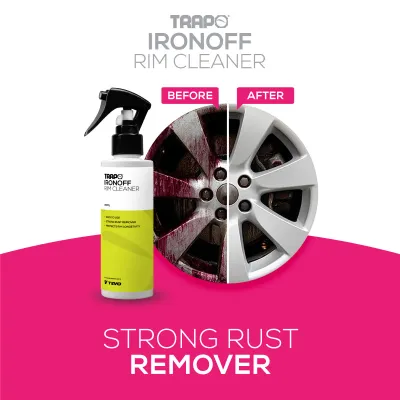
19 Lazada user ratings
bought several other stuff before. all are effective and good quality. a brand that can be trusted delivery was not the fastest but acceptab…Read full reviewShow less
bought several other stuff before. all are effective and good quality. a brand that can be trusted delivery was not the fastest but acceptable. packing is soso. was worried that 1 of the bottle may spill
First time buying rim shampoo. My car rim is quite dusty, hope this product helps. Delivery took sometime but not too bad.
does not work quite well on the rust on my rims as advertised
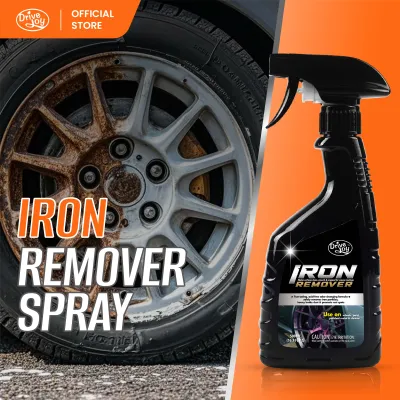
12 Lazada user ratings
👌Ease of Use: yes 🛠️Durability: time will tell ✅Effectiveness: yet to use Easy to apply spray, No comment for now, first time getting this br…Read full reviewShow less
👌Ease of Use: yes 🛠️Durability: time will tell ✅Effectiveness: yet to use Easy to apply spray, No comment for now, first time getting this brand. Fast delivery, item in good condition, affordable price.
I seriously believe this product will work but have not tried yet....only one issue......it's smells like fart....really.
Brought during flash sale. Fast delivery and value for money
Good product
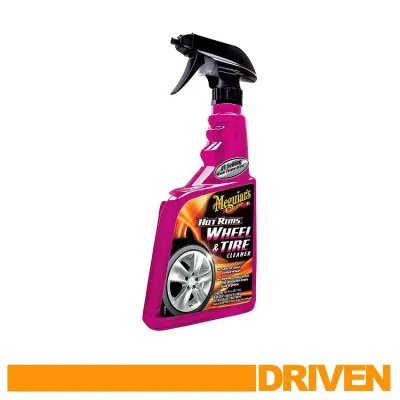
113 Lazada user ratings
Cleans rims and tires effortlessly,
Fast delivery and reasonable price.
Leaves rims shiny and spotless,
slight leaking but not that bad
Prices are valid at publication and may change. Please refer to the product page for the latest price.
When selecting a cleaner, understanding the difference between pH-neutral and alkaline formulations is crucial for wheel safety. pH-neutral cleaners are the safest option for regular maintenance and delicate finishes because they rely on advanced surfactants and chelating agents rather than raw chemical strength to lift dirt. Alkaline formulations, on the other hand, use high-pH builders to cut through organic road grime, grease, and oils. While alkaline cleaners are highly effective for general road dirt, they are less efficient at dissolving embedded metallic iron unless they are specifically fortified with iron-reducing agents. They must also be used with caution, as prolonged exposure to high-pH chemicals can dull certain finishes.
You must strictly avoid highly acidic wheel cleaners unless you are dealing with extreme, neglected situations and have verified that your wheels can tolerate them. Acidic cleaners containing hydrofluoric, hydrochloric, or phosphoric acids work incredibly fast, but they pose severe risks. These harsh acids can permanently etch glass, ruin brake calipers, strip the anodized or clear-coated finish off alloy wheels, and accelerate metal corrosion. Always check your vehicle’s owner’s manual and the wheel manufacturer’s care labels before applying any chemical, as many manufacturers explicitly void warranties if acidic cleaners are used.
How Do You Match the Rim Cleaner Type to Your Wheel's Finish and Dust Level?
Matching the right rim cleaner to your wheels requires identifying whether your alloys are clear-coated, painted, anodized, or bare polished aluminum, alongside assessing the severity of the brake dust accumulation. Clear-coated and painted wheels generally tolerate mild alkaline or pH-neutral iron removers, whereas bare, polished, or anodized alloys demand highly specialized, non-acidic, ultra-gentle formulas to prevent immediate surface oxidation.
Clear-coated and painted alloy wheels are the most common types found on modern vehicles. These wheels feature a protective layer of clear paint over the alloy, making them relatively durable and resistant to chemical exposure. For these finishes, a high-quality, pH-neutral iron remover is the ideal choice for regular to heavy maintenance. The clear coat acts as a barrier, but it can still suffer from chemical clouding or micro-scratching if subjected to harsh scrubbing or aggressive acids, making a gentle chemical approach far superior to mechanical force.
Bare, polished, or anodized alloy wheels require extreme caution because they lack a protective clear-coat barrier. The raw aluminum or specialized anodized layer is highly reactive to chemical agents. Applying a standard alkaline or acidic cleaner to bare aluminum can cause immediate chemical burns, resulting in white chalky spots, severe staining, or a completely dulled finish that requires professional polishing to correct. For these delicate surfaces, you must verify that the product label explicitly states it is safe for bare aluminum or polished wheels, and you should always perform a spot test on an inconspicuous area first.
Assessing the severity of the brake dust buildup helps you choose between a standard spray-and-rinse liquid and a heavy-duty clinging foam or gel. Light, weekly dust can easily be managed with a mild, pH-neutral wheel shampoo or a diluted spray cleaner. However, if the wheels have gone months without a wash and have a thick, dark crust of baked-on dust, a standard liquid will run off too quickly to be effective. In these heavy-duty scenarios, a high-viscosity gel or clinging foam is necessary to provide the extended contact time required to penetrate and dissolve the thick layers of contamination.
What Application Features Make a Rim Cleaner More Effective for Heavy Buildup?
The physical characteristics of a rim cleaner, such as its viscosity and delivery mechanism, directly dictate how effectively it can break down heavy, multi-layered brake dust on vertical wheel surfaces. High-viscosity clinging gels, active foaming agents, and color-changing chemical indicators maximize the product’s contact time with the contamination, ensuring the active ingredients can fully dissolve the bonded metallic particles before the solution runs off or dries.
Clinging foams and thick gels are specifically engineered to combat the effects of gravity on vertical wheel surfaces. Standard liquid spray cleaners tend to run off the wheel face within seconds of application, pooling uselessly at the bottom of the tire or on the ground before they can fully react with the baked-on dust. Thick gels and foaming formulas adhere to the vertical spokes and inner wheel barrels, holding the active chemical agents in direct contact with the contamination. This extended dwell time allows the chemicals to work continuously, breaking down tough deposits without requiring premature reapplication.
Color-changing indicators provide a highly functional visual cue during the cleaning process. As the active iron-reducing agents encounter iron oxide particles, a chemical reaction occurs that turns the liquid from clear or pale yellow to a deep purple or red. This color change is not merely aesthetic; it serves as a real-time progress indicator, showing you exactly where the heaviest concentration of metallic dust is located. Once the color change has peaked and the purple residue begins to run, it signals that the iron has been successfully complexed and is ready to be agitated and rinsed away.
The delivery mechanism of the cleaner also plays a vital role in reaching hidden contamination. Trigger sprayers with adjustable nozzles allow you to switch between a wide mist for even coverage across the wheel face and a targeted stream for blasting chemical deep into the inner wheel barrels and behind the spokes. Aerosol delivery systems can provide an exceptionally fine, consistent mist that covers intricate spoke designs efficiently, though they can be more susceptible to wind drift. Ensuring complete coverage of the inner barrel is critical, as this is where the vast majority of corrosive brake dust accumulates and hides from view.
How Should You Safely Apply and Rinse Heavy-Duty Rim Cleaners?
Safely applying heavy-duty rim cleaners requires working on one wheel at a time under cool, shaded conditions to prevent the chemical formula from drying on the alloy surface or brake components. A structured workflow of pre-rinsing, targeted application, gentle agitation with non-scratching brushes, and immediate, thorough rinsing protects your vehicle’s braking system and wheel finish from chemical damage.
Before applying any chemical cleaner, you must ensure that the wheels and braking components are completely cool to the touch. Applying cold chemicals to a hot brake rotor can cause thermal shock, potentially warping the rotor and compromising your vehicle’s braking performance. Furthermore, the heat from recently driven wheels or direct sunlight will cause the cleaner to evaporate instantly, leaving behind highly concentrated chemical residues that can permanently etch the alloy finish. Begin by pre-rinsing the wheel with cool water to lower the surface temperature and wash away loose dirt, allowing the cleaner to focus entirely on the bonded brake dust.
Once the wheel is cool and pre-rinsed, spray the rim cleaner evenly across the wheel face, spokes, and inner barrel, allowing it to dwell according to the manufacturer’s instructions—typically between two and five minutes. During this dwell time, use dedicated wheel brushes to gently agitate the stubborn buildup. For complex spoke designs and tight lug nut pockets, use soft-bristled detail brushes or microfiber-wrapped wheel woolies that can reach deep into the crevices without scratching the clear coat. Avoid using stiff nylon utility brushes or brass wire brushes, as these will leave permanent swirl marks and scratches on alloy finishes.
Thorough rinsing is the most critical step in preventing chemical damage to your wheels and braking system. Use a high-pressure water source to flush the cleaner completely out of the lug nut wells, brake calipers, and rotor vents. Leftover chemical residue can trap moisture, accelerate corrosion on brake components, damage rubber seals, or cause persistent brake squeal. Ensure that you rinse the surrounding tire sidewall and driveway as well, as some strong cleaners can discolor rubber or stain concrete if left to dry.
If, during or after the cleaning process, you notice signs of chemical etching, such as white chalky spots, dull patches, or a cloudy film that does not wash away with water, stop using the product immediately. These symptoms indicate that the chemical cleaner has reacted negatively with the wheel’s finish or that the clear coat has already been compromised. In such cases, do not attempt to scrub harder or apply more chemicals; instead, consult a professional automotive detailer or wheel refinisher, as restoring the finish will likely require professional machine polishing or clear-coat reapplication.
What Maintenance Routine Prevents Heavy Brake Dust From Baking Onto Alloys?
Establishing a proactive maintenance routine centered around protective coatings and frequent, gentle washes is the most effective way to prevent heavy brake dust from baking onto your alloy wheels. By creating a slick, hydrophobic barrier on the wheel’s surface, you can stop metallic particles from making direct contact with the clear coat, making future cleaning sessions significantly easier.
Applying a compatible wheel sealant or a dedicated ceramic coating is the single best preventive measure you can take. These protective products are specifically formulated to withstand the extreme temperatures generated by your vehicle’s braking system. Once cured, the coating fills the microscopic pores of the alloy or clear coat, creating an ultra-smooth, hydrophobic barrier. This barrier prevents hot metallic brake dust from embedding itself into the surface, meaning the dust simply sits on top of the coating rather than fusing with the wheel.
Your washing frequency should be tailored to your driving habits and the type of brake pads installed on your vehicle. Vehicles equipped with European-style semi-metallic brake pads generate high volumes of highly adhesive, corrosive dust that requires weekly cleaning to prevent damage. Vehicles with ceramic brake pads produce lighter, less visible dust, but still benefit from bi-weekly washes. By maintaining a regular washing schedule, you can easily wash away accumulated dust using standard, mild car shampoo before it has a chance to bake onto the surface.
Always check the product labels to ensure that your routine maintenance products are compatible with your chosen protective sealant or ceramic coating. Using a harsh, highly alkaline rim cleaner for routine washes will quickly strip away wax or sealant barriers, defeating the purpose of your preventive efforts. Once a protective coating is applied, you should transition to using a mild, pH-neutral maintenance shampoo and a soft microfiber wash mitt for routine cleanings, reserving heavy-duty iron removers only for occasional deep cleans when stubborn contamination begins to accumulate.
Community discussion
Share your experience or ask a question. Comments are reviewed before publication.