
Using the Xiaomi Air Pump 2 to measure your current tire pressure and comparing the readings against your vehicle’s factory specifications is a highly effective way to assess overall tire health. While finding a tire with low pressure indicates an immediate maintenance need, it does not automatically mean you must purchase a replacement. Instead, a low reading serves as a diagnostic starting point, prompting a closer inspection of tread wear, structural integrity, and the underlying cause of the air loss before you decide to invest in new tires.
Regular pressure checks help prevent premature tire wear, optimize fuel efficiency, and ensure safe handling on the road. By establishing an accurate baseline measurement with a portable compressor, you can distinguish between normal pressure fluctuations and critical damage that requires professional intervention. This systematic approach ensures you only replace your tires when it is genuinely necessary, saving you from premature expenses while keeping your vehicle safe.
Prepare Your Vehicle and Device for Accurate Measurement
To obtain an accurate baseline reading, you must ensure your vehicle is parked in a safe, controlled environment. Park on a flat, level surface to distribute the vehicle’s weight evenly across all four wheels. It is critical to perform this check when the tires are cold, meaning the vehicle has been parked for at least three hours or driven less than two kilometers. Driving generates friction and heat, which causes the air inside the tires to expand and temporarily raises the pressure reading above the actual cold baseline.
Products mentioned in this guide
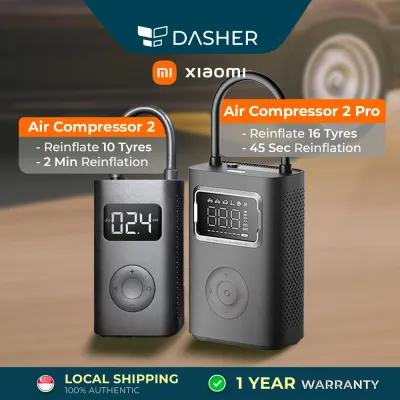
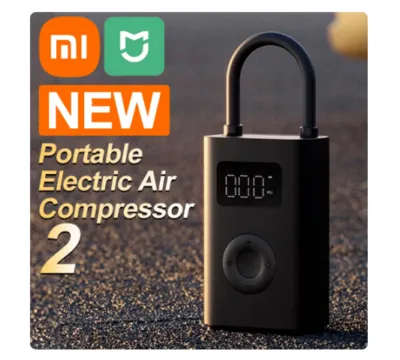
![[2025] Xiaomi Pump 2 MiJia Portable Handheld Electronic Air inflator/Pump Suitable For Car Motorcycle EBike Scooter Instock](https://img.lazcdn.com/g/p/3e082dd3fde1bc260eb18bfa0cd19ce7.jpg_400x400q80.jpg_.webp)
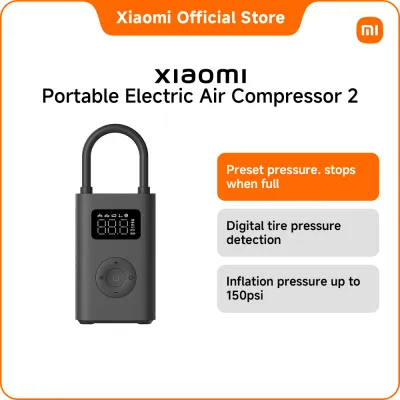
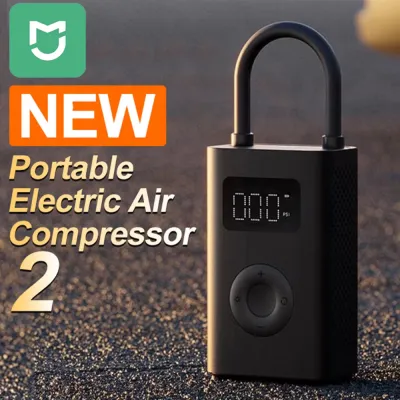
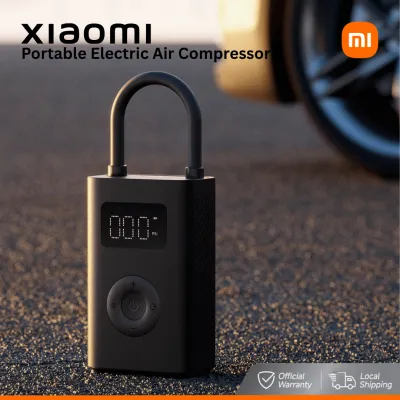

Prices are valid at publication and may change. Please refer to the product page for the latest price.
Before turning on your testing equipment, locate the manufacturer’s recommended cold tire pressure. This information is typically printed on a placard or sticker inside the driver’s side door jamb, or detailed within the vehicle owner’s manual. Avoid using the maximum pressure rating printed on the tire sidewall itself; that number represents the absolute maximum pressure the tire can safely hold under maximum load, not the optimal operating pressure designed for your vehicle’s daily handling and suspension setup.
Once the vehicle is ready, prepare the Xiaomi Air Pump 2 for operation. Power on the device by pulling the high-pressure air hose out of its storage slot. Use the mode button to cycle through the display settings and select the correct unit of measurement—typically PSI or bar—to match the specifications listed on your vehicle’s door placard. Check the battery status indicator on the screen to ensure the device has sufficient charge to complete the measurements across all tires without interruption.
Measure and Record Current Tire Pressure
Begin the measurement process by unscrewing the valve cap from the first tire’s valve stem. Keep the cap in a secure place, such as your pocket or a clean tray, to prevent losing it in the dirt. Carefully align the pump’s hose connector with the valve stem. Depending on your vehicle’s valve type, screw the connector securely onto the stem or use the quick-release adapter to establish a tight, airtight seal. A brief hiss of air is normal during attachment, but a continuous hissing sound indicates a loose connection that must be adjusted.

As soon as the hose is securely attached, the digital display on the Xiaomi Air Pump 2 will show the current pressure of the tire. Do not start the inflation motor yet; the goal at this stage is simply to read and document the existing pressure. Take note of this initial reading, ensuring you do not confuse the current pressure with any target pressure preset on the screen.
Record the exact pressure reading for each of the four tires, noting their specific positions on the vehicle, such as front-left or rear-right. If your vehicle is equipped with a temporary or full-sized spare tire, locate it and measure its pressure as well. Documenting these numbers systematically allows you to analyze pressure trends across the entire vehicle, helping you determine if a pressure drop is an isolated issue or a symptom of a broader maintenance requirement.
Diagnose the Cause of Pressure Loss
Analyzing the recorded pressure readings helps you identify whether your tires require a simple pressure adjustment or a complete replacement. If you notice a uniform, minor pressure drop of roughly one to two PSI across all four tires over a period of several months, this is generally a sign of natural air permeation. Rubber is naturally porous, and minor pressure loss over time is normal behavior that only requires a routine top-up rather than a trip to the tire shop.
Conversely, if one tire displays a significantly lower pressure than the others, you are likely dealing with an isolated issue. This pattern strongly suggests a slow puncture from a nail or screw, a leaking valve core, or a compromised bead seal where the tire meets the wheel rim. These issues can often be repaired by a qualified technician without needing to replace the entire tire, provided the damage is confined to the tread area and has not compromised the tire’s internal structure.
Perform a thorough visual inspection of any tire showing abnormal pressure loss. Look closely for embedded road debris, deep cracks in the tread grooves, or any unusual bulges along the sidewall. If you discover a bulge, bubble, or severe cracking on the sidewall, the tire’s internal structural integrity has been compromised. In such cases, do not attempt to inflate or drive on the tire; instead, consult a professional tire specialist immediately to arrange for a replacement, as sidewall damage cannot be safely repaired.
Evaluate Tread and Sidewall Condition for Replacement
To make an informed decision about purchasing new tires, you must combine your pressure diagnostic findings with a physical assessment of the tire’s wear. Locate the tread wear indicators, which are small, raised rubber bars molded into the bottom of the main tread grooves. When the surrounding tread wears down to be flush with these indicators, the tire has reached its legal and safe wear limit and must be replaced immediately to maintain wet-weather traction and prevent hydroplaning.
Examine the tread blocks and sidewalls for signs of environmental degradation, commonly known as dry rot. This condition manifests as fine cracks in the rubber, often caused by prolonged exposure to heat, sunlight, and ozone. Even if a tire has plenty of tread depth remaining, deep cracking in the rubber compound compromises its structural strength and increases the risk of a sudden blowout, making replacement necessary for safe operation.
Additionally, check the manufacturing date of your tires by locating the DOT code on the sidewall. This code ends with a four-digit number representing the week and year of manufacture; for example, a code ending in “3224” indicates the tire was produced in the 32nd week of 2024. Because rubber compounds naturally degrade and harden over time, most vehicle and tire manufacturers recommend replacing tires once they reach five to ten years of age, regardless of the remaining tread depth or visual appearance.
Restore Pressure and Establish a Monitoring Routine
If your physical inspection confirms that the tires are structurally sound and have adequate tread depth, you can proceed to restore them to their correct operating pressure. Use the adjustment buttons on the Xiaomi Air Pump 2 to set your target pressure according to the vehicle’s cold tire specifications. Activate the pump, and the device will run until it reaches the preset target, at which point it will automatically shut off to prevent over-inflation.
Carefully unscrew or release the hose connector from the valve stem. Because a small amount of air inevitably escapes during this disconnection process, you may want to quickly recheck the valve stem with a manual pressure gauge to verify that the final pressure remains within your target range. Once verified, reinstall the valve cap tightly to protect the valve core from road grime, moisture, and dust.
To maintain optimal tire health and catch potential issues early, establish a consistent monitoring routine. Check your tire pressures at least once a month and always before embarking on long road trips or carrying heavy loads. Keeping a log of these readings allows you to spot slow leaks before they lead to roadside emergencies, ensuring your tires wear evenly and deliver their maximum possible service life.
Frequently Asked Questions (FAQ)
Does the Xiaomi Air Pump 2 automatically stop when the target pressure is reached?
Yes, the Xiaomi Air Pump 2 features an automatic shutoff function when operated in its preset modes. You can select a pre-configured vehicle mode or manually set your desired target pressure using the interface buttons. Once the internal sensor detects that the tire has reached this specified value, the pump stops inflating immediately. However, for safety-critical applications or high-precision driving setups, it is always recommended to verify the final pressure using a dedicated, calibrated secondary pressure gauge.
Should I adjust the target pressure if I am carrying a heavy load?
Yes, you should adjust your tire pressure when carrying heavy cargo or a full passenger load, but you must strictly follow the vehicle manufacturer’s official guidelines. Many vehicles have a secondary set of recommended tire pressures for loaded conditions, which can be found on the door jamb sticker or in the owner’s manual. Never exceed the maximum pressure rating stamped on the tire sidewall, and always return the tires to their standard cold pressure specifications once the heavy load has been removed.

Community discussion
Share your experience or ask a question. Comments are reviewed before publication.