
Maintaining correct tire pressure is fundamental to vehicle safety, fuel efficiency, and tire longevity. The Xiaomi Air Pump 2 Pro offers a portable, digital solution for inflating car, motorcycle, and bicycle tires using both preset modes and manual adjustments. By understanding how to locate your vehicle’s specific pressure requirements and matching them with the pump’s capabilities, you can ensure accurate inflation for any tire type. This guide outlines the exact steps to operate the device safely, verify pressure accuracy, and troubleshoot common issues during the process.
Identifying Correct Tire Pressure and Pump Presets
Before connecting any inflation device, you must determine the exact pressure your vehicle requires. Many drivers mistakenly look at the tire sidewall for this information, but the number molded there represents the maximum pressure the tire can safely hold, not the recommended operating pressure. To find the correct cold tire pressure, check the manufacturer’s placard, which is typically located on the driver’s side door jamb, inside the fuel filler flap, or within the vehicle owner’s manual.
The Xiaomi Air Pump 2 Pro simplifies the inflation process by offering several preset modes, including dedicated settings for cars, motorcycles, bicycles, and sports balls. These presets serve as convenient starting points, automatically configuring a default pressure target and unit of measurement (such as PSI or bar) commonly associated with that vehicle class. For instance, the car preset typically defaults to a standard passenger vehicle pressure, while the motorcycle preset is calibrated for typical two-wheeler requirements.
Products mentioned in this guide
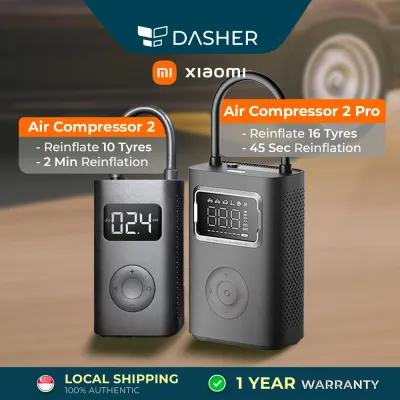

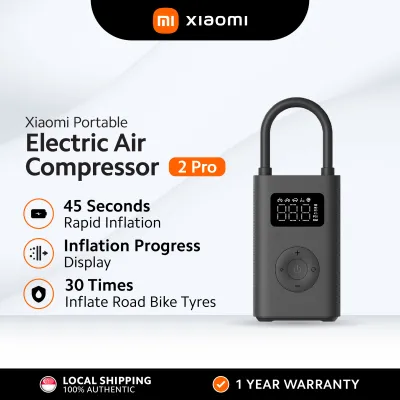
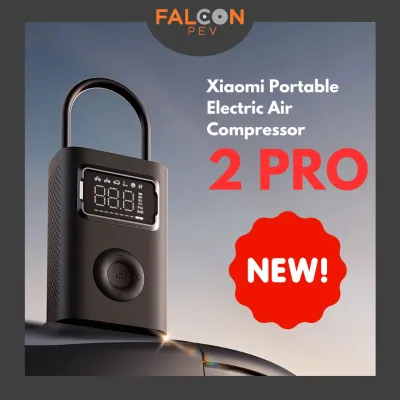
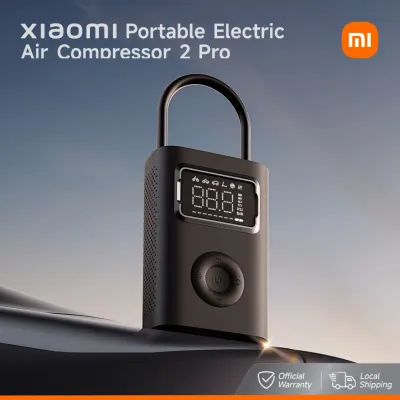
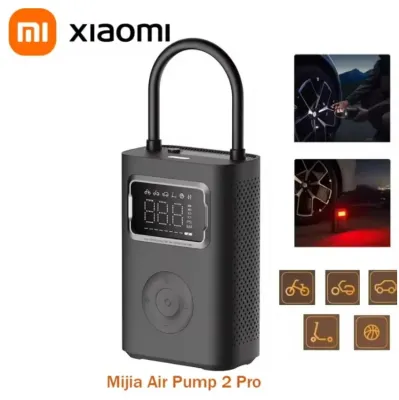
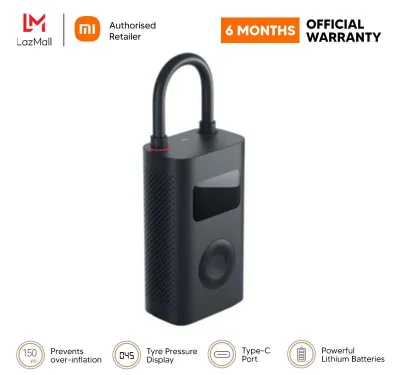
Prices are valid at publication and may change. Please refer to the product page for the latest price.
However, these presets are generalized baselines and may not match your specific setup. Bicycle tires are a prime example of this variance, as different styles require vastly different pressures. A high-volume mountain bike tire might only need 25 to 35 PSI for optimal traction, whereas a narrow road bike tire often requires 80 to 110 PSI to prevent pinch flats. Because of these extreme differences, you must manually adjust the target pressure on the pump even when using the bicycle preset mode to avoid under-inflation or catastrophic tire failure.
Step-by-Step Inflation Process for Standard Tires
Achieving an accurate inflation reading requires proper preparation of both the tire and the pump. Always ensure that your tires are in a cold state before you begin the inflation process. Tires are considered cold when the vehicle has been parked for at least three hours or driven less than one and a half kilometers. Driving generates friction and heat, which causes the air inside the tire to expand and temporarily raises the pressure reading, leading to potential under-inflation once the tire cools down.

Once the tires are cold, select the appropriate valve adapter for your specific tire. Most cars, motorcycles, and standard bicycles use Schrader valves, which connect directly to the pump’s default hose nozzle. High-performance bicycles often use Presta valves, which require you to thread the included Presta adapter onto the pump hose first. Ensure the adapter is screwed on tightly to establish an airtight seal before attempting to connect it to the tire valve stem, minimizing any potential air leakage during the setup.
With the correct adapter attached, power on the Xiaomi Air Pump 2 Pro by pulling the air hose out of its storage slot or pressing the power button. Use the mode button to cycle through the presets until you find the one matching your vehicle type. Before starting the pump, look at the digital display to verify the target pressure; if it does not match your manufacturer’s recommendation, use the plus and minus buttons to adjust the setting to the exact value required.
Inflating Car and Motorcycle Tires
To inflate a car or motorcycle tire, firmly press or screw the pump’s hose connector onto the tire’s Schrader valve stem. You will hear a brief hiss of air as the connection is secured, and the pump’s digital screen will immediately display the current real-time pressure of the tire. Once the connection is stable and the display shows the starting pressure, press the start button to begin the inflation cycle.
As the pump runs, the digital display will continuously update to show the rising pressure inside the tire. The Xiaomi Air Pump 2 Pro features an automatic shutoff mechanism designed to stop the pump once the real-time pressure matches your pre-selected target. Allow the device to complete this cycle on its own, and avoid interrupting the process unless you observe an error code or a physical issue with the tire.
As soon as the pump automatically stops, disconnect the hose from the valve stem as quickly as possible to minimize the amount of air that escapes. A brief hiss during disconnection is normal, but a prolonged delay can lower the tire pressure below your target. Immediately after removal, apply a small amount of soapy water to the valve core or listen closely for any faint hissing sounds to verify that the valve core is fully sealed and not leaking.
Inflating Bicycle Tires
Bicycle tires require a slightly different approach due to their lower air volume and different valve designs. If your bicycle uses Presta valves, you must first unscrew the small brass locking nut at the top of the valve stem. Gently press the tip of the valve core inward for a split second to release any stuck seal before threading the pump’s Presta adapter onto the valve.
Because bicycle tires contain a much smaller volume of air than car tires, they reach their target pressure very quickly. This rapid inflation means you must monitor the process closely from start to finish. While the auto-shutoff feature is highly reliable, the speed of inflation in low-volume tires leaves less margin for error, making active observation essential to prevent sudden over-inflation.
If your pump adapter utilizes a locking lever, ensure it is fully engaged before starting and fully released before pulling the hose off. Once the inflation is complete and the hose is disconnected, immediately spin the Presta valve’s top locking nut clockwise until it is hand-tight. This step is critical to prevent slow air leakage through the valve core during your ride.
Using Manual Mode for Specialty or Non-Standard Tires
Standard presets are highly convenient, but they do not cover every scenario you might encounter. Specialty tires—such as those found on fat-tire bikes, heavy-duty utility trailers, wheelbarrows, or customized off-road vehicles—often require pressures that fall outside the default limits of the standard car or bicycle presets. In these situations, you must bypass the presets entirely and operate the pump in manual mode.
To activate manual mode, cycle through the settings until the screen displays the manual icon (often represented by a custom user profile or no specific vehicle icon). Once in manual mode, use the unit toggle button to select your preferred measurement unit, whether that is PSI, bar, or kPa, to match the specifications of your specialty tire. You can then use the plus and minus buttons to set any custom target pressure within the pump’s operating range.
Operating in manual mode requires a higher level of user vigilance. Because you are inflating a non-standard tire, you must maintain constant visual and auditory monitoring throughout the entire process. Keep your hand close to the power button so you can manually halt the inflation instantly if the tire sidewall begins to look overly rigid, if you hear unusual stretching noises, or if the pump sounds like it is straining excessively.
Verifying Pressure and Storing the Pump
Even with advanced digital sensors, it is good practice to verify the final pressure of your tires after inflation. Digital sensors on portable pumps can occasionally experience minor calibration drift over time or read slightly high due to the pressure buildup inside the hose during operation. To ensure absolute accuracy, use a high-quality, calibrated standalone tire pressure gauge to take a secondary reading directly from the valve stem.
After completing your inflation tasks, the pump and its flexible hose will likely be warm or hot to the touch due to the heat generated by air compression. Avoid immediate storage; instead, lay the device on a flat surface and allow it to cool down completely. Coiling a hot hose or packing a warm pump into a tight storage bag can degrade the rubber seals and internal components over time.
Once the device is cool, store it in a dry, temperature-stable environment, such as a dedicated storage compartment in your trunk or a garage shelf. Avoid leaving the pump in direct sunlight or in extreme cabin heat, which can damage the lithium-ion battery. Check the battery level indicator periodically and recharge the unit every few months to ensure it has sufficient power when you need it for an unexpected roadside emergency.
Troubleshooting Common Inflation Issues
Portable air pumps are compact devices that handle high pressures, which can occasionally trigger built-in safety mechanisms. If the pump suddenly stops running before reaching the target pressure and refuses to restart, it has likely triggered its thermal protection sensor. This safety feature prevents the motor from overheating; if this occurs, disconnect the pump from the tire and let it rest in a shaded area for the manufacturer’s recommended cooling interval before resuming.
If you experience slow inflation or if the pump runs continuously without the pressure reading increasing, check for physical leaks in the system. Ensure the hose connection to both the pump body and the tire valve is completely tight. Additionally, check the battery level, as a low battery can reduce motor efficiency, and verify that the volume of the tire you are inflating does not exceed the continuous duty cycle limits of a portable inflator.
Knowing when to stop is critical for your safety and the integrity of your equipment. If you notice any unusual physical changes in the tire—such as localized bulging on the sidewall, a continuous hissing sound coming from the tire bead where it meets the wheel rim, or if the pump displays persistent error codes—stop inflating immediately. Do not attempt to drive on the tire; instead, seek professional tire service to inspect for internal structural damage.
Frequently Asked Questions (FAQ)
Can the Xiaomi Air Pump 2 Pro inflate a completely flat car tire?
The Xiaomi Air Pump 2 Pro is capable of inflating a completely flat car tire in an emergency, but doing so pushes the device close to its operational limits. Inflating a large passenger tire from zero pressure to standard operating levels requires a significant amount of battery power and generates substantial heat. Before attempting this, inspect the tire thoroughly to ensure it has not slipped off the wheel rim (unseated bead) and check for obvious punctures; if the tire is structurally compromised, a portable pump will not be able to hold pressure, and you should call for professional roadside assistance.
How often should I check and adjust my tire pressure?
You should check and adjust your tire pressure at least once a month and always before embarking on long road trips. Tire pressure naturally fluctuates with changes in ambient temperature; for every 10-degree drop in temperature, tires can lose approximately 1 to 2 PSI. Regular checks ensure that your tires remain at their optimal operating pressure, which maximizes fuel efficiency, ensures predictable handling, and prevents uneven tread wear over the lifespan of the tire.
What is the difference between the preset modes on the pump?
The preset modes on the Xiaomi Air Pump 2 Pro function primarily as convenient shortcuts that pre-configure the display with typical target pressures and measurement units for specific applications. The underlying mechanical pump operates exactly the same way regardless of the mode selected. Because these presets are fully adjustable, you can use any mode as a starting point and manually override the target pressure to match the exact specifications of your vehicle.

Community discussion
Share your experience or ask a question. Comments are reviewed before publication.