
Achieving a flawless, streak-free finish on your vehicle’s paintwork requires more than just purchasing premium detailing products. The way you handle, fold, wipe, and wash your Sonax microfiber cloths directly determines whether your car’s clear coat remains pristine or becomes marred by unsightly swirl marks and fine scratches. Microfiber is engineered to lift and trap contaminants within its microscopic wedge-shaped fibers, but this very capability means that improper usage or poor maintenance can turn a high-quality cloth into a source of paint damage. By mastering systematic wiping techniques, inspecting your tools before they touch the paint, and laundering them according to strict guidelines, you can preserve the integrity of your vehicle’s finish and ensure consistent, professional-grade results.
Preparing and Inspecting Your Cloths Before Use
Before you begin any detailing session, a thorough inspection of your microfiber cloths is essential to safeguard your vehicle’s delicate clear coat. Even a tiny, microscopic particle of grit embedded in the fibers can act like sandpaper when dragged across the paint under pressure. Start by visually inspecting both sides of the cloth under strong, direct lighting to identify any trapped debris, such as dried leaves, small twigs, or metallic dust. Run your clean fingers across the surface of the fabric to feel for any hardened spots, stiff edges, or melted fibers that may have occurred during previous drying cycles. If you detect any rough areas or foreign particles that cannot be easily picked out, set that cloth aside immediately and do not use it on your vehicle’s exterior paint.
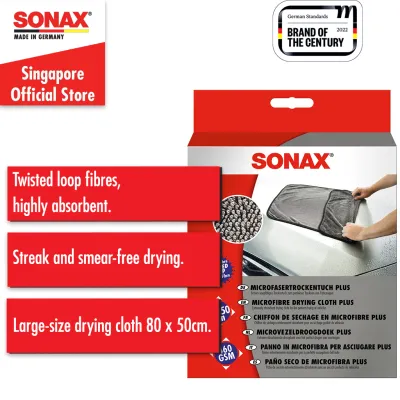
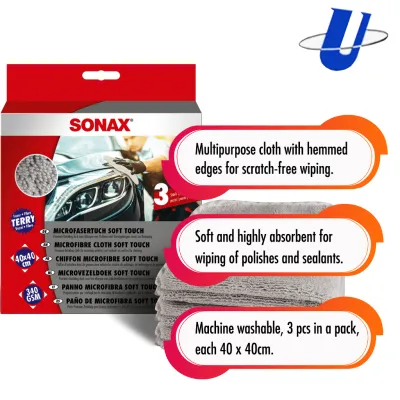
Different detailing tasks require specific cloth structures, and matching the correct weave to the surface is critical for achieving a streak-free finish. Plush, high-pile microfiber cloths are designed with long, loose loops that excel at absorbing liquid detailers, buffing off waxes, and trapping loose dust away from the paint surface. Waffle-weave cloths, characterized by their distinct raised square patterns, are engineered specifically for drying, as the pockets efficiently channel and hold large amounts of water without saturating too quickly. For glass surfaces, flat-weave or tightly woven microfiber cloths are the preferred choice, as they minimize lint transfer and provide the necessary friction to cut through oily road film without leaving streaks. Always check the manufacturer’s product labels and instructions to verify the intended application of each specific cloth in your collection.
Products mentioned in this guide
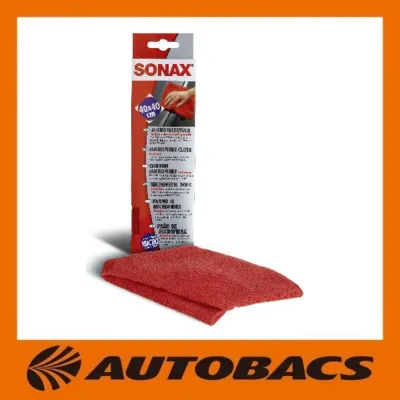
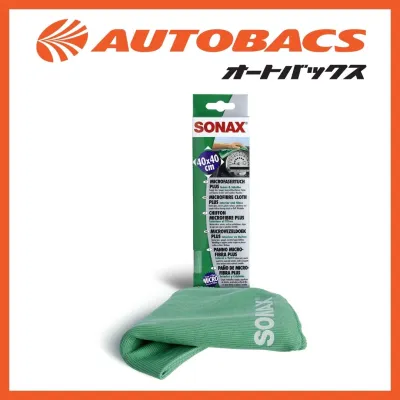
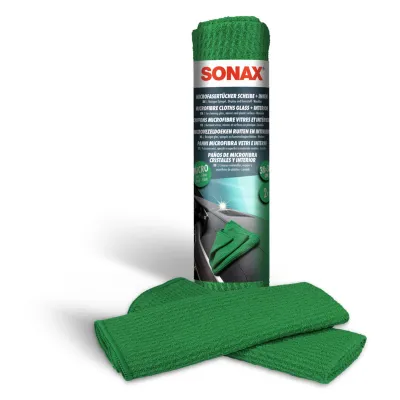
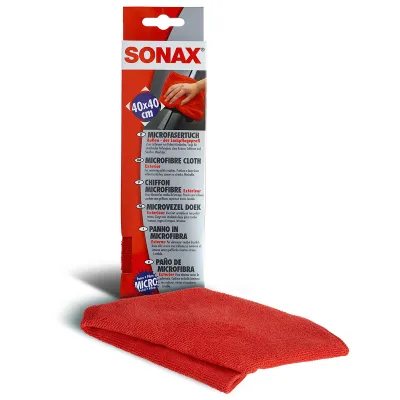
Prices are valid at publication and may change. Please refer to the product page for the latest price.
Residual chemicals from previous detailing sessions or improper laundering can severely compromise the performance of your microfiber cloths, leading to immediate streaking. If a cloth was previously used to apply a synthetic sealant, wax, or interior dressing, any leftover residue can transfer back onto the paint or glass during your next use. Furthermore, if the cloth was washed with fabric softeners or standard household detergents containing optical brighteners, these additives will coat the polyester and polyamide fibers, clogging the microscopic channels and destroying the cloth’s natural static charge. Ensure that every cloth you select is completely dry, smells clean, and is entirely free from stiff, waxy residues before you begin working on your vehicle.
Folding and Wiping Techniques to Avoid Swirl Marks
The physical handling of your microfiber cloth during the wiping process is a fundamental factor in preventing micro-marring and swirl marks. Simply bunching a cloth up in your hand creates uneven pressure points, concentrates dirt in a single area, and increases the likelihood of your fingers pressing directly through the fabric onto the paint. To avoid these risks, adopt the standard multi-fold method, which maximizes the usable surface area of the cloth and ensures even pressure distribution. Start by laying the microfiber cloth flat on a clean surface, then fold it in half, and fold it in half once more to create a neat, square pad consisting of eight distinct, usable faces. This structured shape fits comfortably under the palm of your hand, allowing you to wipe with uniform contact.

As you work on a panel, you must systematically flip and refold the cloth to ensure that a fresh, clean microfiber face is always contacting the vehicle’s surface. After completing a pass on a section of the paint, flip the folded pad to an unused side to continue wiping. Once those two sides are soiled, unfold the cloth, refold it in the opposite direction, and utilize the remaining clean faces. This disciplined rotation prevents cross-contamination, ensuring that the dirt and contaminants lifted from one section of the car are not dragged across the next panel. If you accidentally drop the cloth onto the ground, even for a split second, do not attempt to shake it out or continue using it; immediately replace it with a fresh, clean cloth to avoid introducing abrasive road grit to your paintwork.
The direction of your wiping motion also plays a critical role in how light reflects off your vehicle’s clear coat. Always wipe in straight, overlapping lines rather than circular motions. While circular wiping is a common habit, it tends to create circular micro-scratches that catch light from every angle, making them highly visible as unsightly swirl marks under sunlight. Straight-line scratches, on the other hand, are much harder for the human eye to detect because they only reflect light from specific angles. Ensure that each straight pass overlaps the previous one by approximately fifty percent to guarantee complete coverage and to prevent leaving behind thin lines of residue or moisture that can dry into streaks.
Applying the correct amount of physical pressure is equally vital when working with microfiber. High-quality microfiber is engineered to lift and trap particles within its structure using capillary action and static electricity, meaning you do not need to scrub or press hard to clean the surface. Apply only light, even pressure—just enough to keep the cloth in contact with the panel. Let the microscopic fibers do the work of grabbing the dirt, dust, or wax residue. If you encounter a stubborn spot, such as dried bird droppings or tree sap, do not increase your wiping pressure, as this will grind the abrasive contaminants directly into the clear coat. Instead, apply a suitable detailing spray or lubricant to soften the spot, let it dwell for a moment, and then gently wipe it away.
Washing and Drying Instructions to Maintain Performance
Proper laundering is the single most important factor in extending the lifespan and maintaining the performance of your Sonax microfiber cloths. Microfiber is a synthetic blend of polyester and polyamide, and these delicate fibers require specific care to prevent them from melting, clogging, or losing their electrostatic properties. The first rule of washing microfiber is to separate your cloths from all other household laundry, especially cotton towels and clothing. Cotton sheds lint excessively, and the microscopic hooks of the microfiber will trap these cotton fibers during the wash cycle. Once microfiber becomes clogged with cotton lint, it loses its ability to wipe cleanly and will leave fine trails of lint across your vehicle’s paint and glass.
When selecting a detergent, always choose a mild, liquid formula that is free from dyes, perfumes, fabric softeners, and bleach. Powdered detergents should be avoided entirely, as undissolved powder particles can become trapped within the dense weave of the microfiber, turning the cloth into an abrasive hazard during your next detailing session. Fabric softeners are particularly damaging; they work by coating fibers with a thin layer of lubricating chemicals, which completely clogs the microscopic channels in microfiber, rendering the cloth non-absorbent and prone to severe streaking. For optimal results, use a dedicated microfiber wash solution designed to break down tough automotive oils, waxes, and silicones without leaving any chemical residues behind.
Water temperature is another critical variable to control during the washing process. Wash your microfiber cloths in warm water, keeping the temperature within the limits specified on the Sonax care labels. Warm water is necessary to expand the synthetic fibers slightly, allowing the trapped oils, waxes, and dirt to be released into the wash water. However, avoid using hot water, as excessive heat can damage the delicate polyamide fibers, causing them to lose their softness and absorbency. If your washing machine has an extra rinse cycle, enable it to ensure that every trace of detergent is thoroughly flushed out of the cloths before they proceed to the drying stage.
Drying your microfiber cloths requires equal care to prevent heat damage. The safest method is to air dry them in a clean, dust-free indoor environment, hanging them on a drying rack away from direct sunlight and airborne contaminants. If you prefer to use a clothes dryer, set the machine to a low-heat or air-fluff cycle. High heat settings will melt the microscopic tips of the polyester and polyamide fibers, fusing them together into a hard, scratchy texture that will permanently ruin the cloth’s ability to safely touch automotive paint. Once the drying cycle is complete, clean the dryer’s lint trap thoroughly before the next use, and store your clean, dry cloths in a sealed plastic container to protect them from airborne dust and garage grime.
Recognizing When to Retire or Repurpose a Cloth
Even with meticulous care, every microfiber cloth eventually reaches the end of its safe lifecycle for delicate paintwork. Over time, repeated exposure to heavy detailing chemicals, road grime, and laundering cycles will cause the synthetic fibers to degrade, lose their plushness, and accumulate permanent contamination. To protect your vehicle’s clear coat, you must learn to recognize the signs of a worn-out cloth. Inspect your older cloths for matted fibers that no longer fluff up after washing, as well as permanently embedded grit, metal particles, or paint overspray that cannot be removed. If a cloth feels stiff, rough, or leaves fine scratches during a test wipe on a clean CD or a hidden area of paint, it must be retired from exterior paint duties immediately.
Retiring a cloth from paintwork does not mean you have to throw it away. Degraded or contaminated microfiber cloths can be repurposed for lower-risk detailing tasks where minor scratching is not a concern. These older cloths are perfect for cleaning greasy engine bays, wiping down dirty door jambs, cleaning exhaust tips, or scrubbing road grime off wheels and suspension components. To manage this transition effectively, establish a clear color-coding or labeling system in your garage. For example, reserve your newest, plush blue cloths exclusively for paint buffing, yellow cloths for interior surfaces, green cloths for glass, and older, stained cloths of any color for heavy-duty engine and wheel cleaning. This strict separation prevents accidental cross-contamination and ensures you never use a gritty wheel cloth on your freshly polished hood.
Frequently Asked Questions (FAQ)
Can I use the same cloth for both interior and exterior detailing?
Using the same microfiber cloth for both interior and exterior detailing is highly discouraged due to the severe risk of cross-contamination. Interior surfaces are often treated with greasy vinyl dressings, leather conditioners, and plastic protectants, while exterior surfaces accumulate abrasive road grit, brake dust, and oily road film. If you use a single cloth for both zones, you risk transferring greasy interior chemicals onto your exterior glass and paint, resulting in stubborn streaks and smeared finishes. Conversely, transferring abrasive brake dust or road grime from the exterior into your vehicle’s interior can scratch delicate piano-black plastics, navigation screens, and leather seats. To maintain a pristine finish inside and out, always use separate, dedicated batches of cloths for interior and exterior tasks.
Do I need to use a specific detailing spray with microfiber cloths?
Wiping a dry microfiber cloth across a dusty or dirty vehicle surface is one of the most common causes of fine scratches and swirl marks. Dry wiping creates high friction and grinds loose dust particles directly into the clear coat before the fibers have a chance to lift them. To prevent this, you should always use a suitable lubricant, such as a quick detailer, waterless wash spray, or dedicated glass cleaner, depending on the surface you are cleaning. The liquid spray acts as a barrier, encapsulating dust particles and lubricating the path of the cloth so it can glide smoothly across the surface. When wiping away dried wax or sealant residues, a light mist of quick detailer can also help break down the product, making it easier to buff off without needing to apply excessive physical pressure.

Community discussion
Share your experience or ask a question. Comments are reviewed before publication.