
Using a portable tire inflator like the Xiaomi pump is an efficient way to maintain correct tire pressure, which directly improves fuel economy, ensures predictable vehicle handling, and extends the lifespan of your tires. To use it correctly, you must identify your vehicle’s manufacturer-recommended pressure, securely connect the pump, set the target pressure on the digital interface, and allow the device to inflate and automatically shut off. Regularly checking and adjusting your tires prevents uneven tread wear and reduces the risk of sudden tire failure on the road.
Preparation and Safety Checks Before Inflating
Before you begin inflating your tires, you must determine the correct target pressure for your specific vehicle. This information is never the maximum pressure printed on the tire sidewall, which represents the absolute limit the tire can safely hold under maximum load. Instead, look for the manufacturer-recommended pressure on the tire information placard, typically located on the driver’s side door jamb, inside the fuel filler flap, or within your vehicle owner’s manual. This value is calculated specifically for your vehicle’s weight distribution and handling characteristics.
Always consult your vehicle’s original owner’s manual for specific instructions regarding tire maintenance, safety boundaries, and load limits. Next, perform a thorough visual inspection of the tire itself. Look closely for any embedded nails, screws, or sharp debris in the tread, as well as any unusual bulges, cuts, or deep cracks in the sidewall. If you notice any structural damage or an active puncture, inflating the tire can be extremely hazardous and may lead to a sudden blowout. In such cases, do not attempt to inflate or drive on the tire; instead, consult a qualified tire professional or arrange for a recovery service to inspect or replace the tire safely.
Products mentioned in this guide
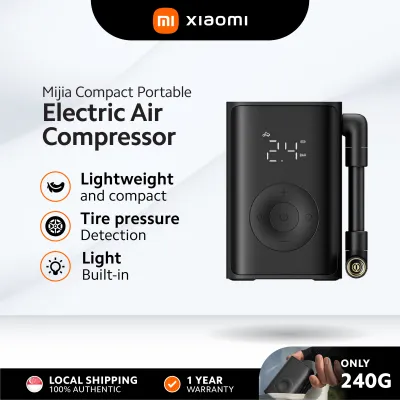
![[LATEST] Xiaomi Mijia Portable Electric Air Compressor Tyre Inflator Car Bike Ball Auto-Stop Digital](https://img.lazcdn.com/g/p/41ef4eac2e6edd003dfd76f46d861fba.png_400x400q80.png_.webp)
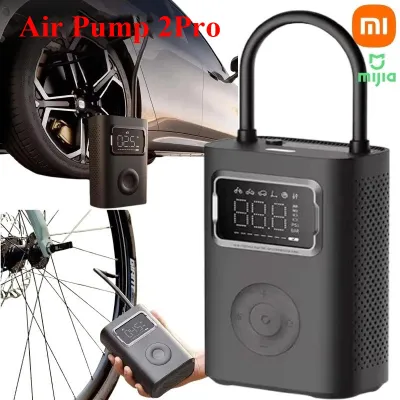
![[2025] Xiaomi Pump 2 MiJia Portable Handheld Electronic Air inflator/Pump Suitable For Car Motorcycle EBike Scooter Instock](https://img.lazcdn.com/g/p/3e082dd3fde1bc260eb18bfa0cd19ce7.jpg_400x400q80.jpg_.webp)
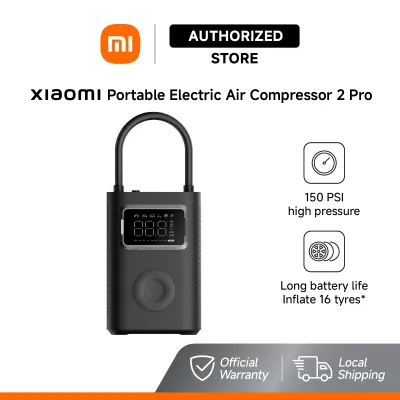
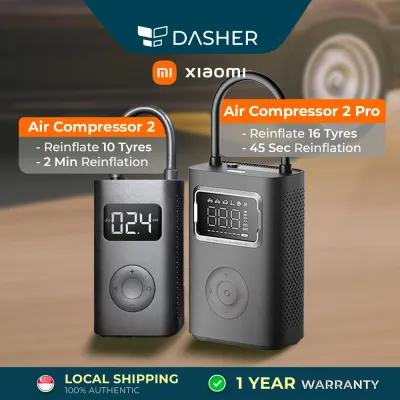
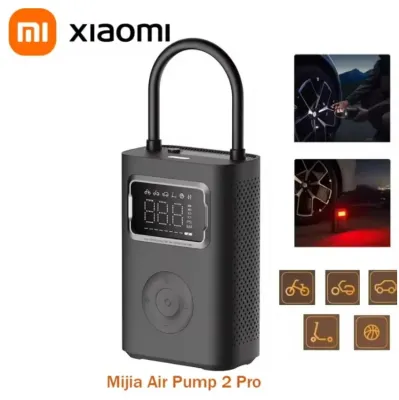
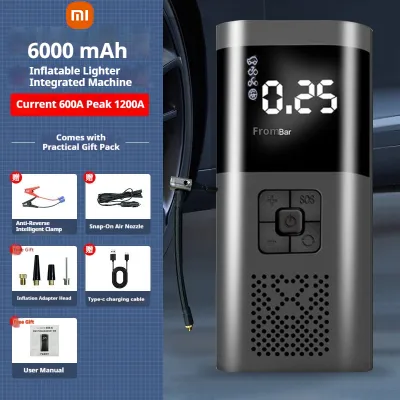
Prices are valid at publication and may change. Please refer to the product page for the latest price.
Finally, prepare your Xiaomi pump for operation. Check the digital battery indicator on the device to ensure it has sufficient charge to complete the inflation process, as running out of power mid-way can leave you stranded. Verify that you have the correct valve adapter firmly attached to the pump’s air hose. Most passenger vehicles use standard Schrader valves, which typically connect directly to the pump’s default hose nozzle, but you should ensure the threads or locking mechanism are clean and free of debris.
Setting Up and Connecting the Xiaomi Air Pump
To begin, turn on the Xiaomi pump by pulling the air hose out of its storage port or pressing the power button. The digital screen will display the current pressure unit and mode. Use the mode button to cycle through presets until you reach the car icon, which optimizes the pump’s pressure range for passenger vehicles. If your vehicle requires a specific unit of measurement, such as PSI, bar, or kPa, press and hold the cycle button to match your manufacturer’s placard.

Connecting the pump to the tire valve requires care to prevent air loss or damage to the valve stem. Unscrew the plastic dust cap and place it in a secure spot. Align the pump’s connector with the valve stem threads. If using a screw-on connector, rotate it clockwise smoothly until it is fully seated; a brief hiss of escaping air is normal as the internal pin depresses the valve core, but this should stop once the connection is tight.
If your model uses a quick-release lever, push the connector firmly onto the valve stem and flip the locking lever down. Once connected, the digital display will show the tire’s current real-time pressure. Use the plus and minus buttons on the interface to adjust the target pressure setting on the screen to match your vehicle’s recommended specification exactly.
The Inflation Process: What to Expect and Monitor
With the target pressure set and the hose connected, press the central start button to begin. The portable compressor will start running immediately, producing a distinct, loud buzzing sound. This noise is normal for compact, high-pressure piston pumps. To prevent the device from vibrating excessively against the ground, place it on a flat, stable surface.
As the pump operates, monitor the digital display as the real-time pressure rises. Because portable air compressors generate significant friction, the air hose and the pump body will become warm to the touch. This heat buildup is a normal physical characteristic of air compression. Avoid touching the metal connector directly immediately after operation, handling only the rubber portion of the hose.
The pump features an automatic shut-off that stops the compressor once the tire reaches your pre-selected target pressure. However, you must remain nearby to monitor the process. If the pump runs continuously for several minutes without the pressure increasing, this indicates a severe leak or a loose connection. In this scenario, press the power button immediately to halt the pump, disconnect the hose, and inspect the tire for damage.
Post-Inflation Verification and Equipment Storage
Once the pump shuts off, disconnect the hose promptly. If using a screw-on connector, unscrew it quickly counter-clockwise to minimize air escape. A brief hiss of air is normal, but lingering can lower your tire pressure below the target. Immediately replace the plastic dust cap on the valve stem to protect the internal valve core from road dirt and moisture.
While the digital sensor on the pump is highly convenient, portable electronic sensors can experience calibration drift over time. To ensure accuracy, cross-check the final tire pressure using a dedicated, high-quality manual or digital tire pressure gauge. If the reading matches your vehicle’s placard, your tire is ready. If there is a significant discrepancy, rely on the dedicated gauge as your primary reference.
Proper storage of your portable pump is essential to preserve its internal lithium-ion battery and rubber components. Allow the air hose to cool down completely before folding it back into the storage position. Store the pump in a cool, dry location inside your vehicle, such as the glove compartment or under-seat storage. Avoid leaving the device in direct sunlight or in an extremely hot trunk, as high temperatures can degrade battery capacity and rubber seals.
Long-Term Tire Care and Pressure Maintenance
Maintaining correct tire pressure is an ongoing part of vehicle ownership. Establish a routine to check your tire pressure at least once a month, as well as before long road trips or carrying heavy loads. Tires naturally lose air over time through microscopic pores in the rubber, even without active punctures. Checking them when they are “cold”—meaning the vehicle has been parked for at least three hours—gives the most accurate baseline reading.
Ambient temperature changes have a direct physical effect on tire pressure. Generally, tire pressure drops when the weather cools down and rises when temperatures climb. In tropical climates like Singapore, sudden heavy downpours or transitioning from hot outdoor parking to air-conditioned basement garages can cause minor fluctuations. Regularly monitoring these changes with your portable pump ensures your tires remain within the safe operating range.
Finally, understand the limits of DIY tire maintenance. While a portable pump is excellent for routine top-ups, it cannot fix underlying mechanical issues. If you must inflate a specific tire every few days, or if your vehicle’s Tire Pressure Monitoring System (TPMS) warning light remains illuminated, there is likely an active issue. Uneven tread wear, vibration while driving, or persistent slow leaks require professional diagnostic inspection at a qualified service center.
Frequently Asked Questions (FAQ)
Can I use the Xiaomi pump to inflate run-flat tires?
Yes, you can use the Xiaomi pump to add air to a run-flat tire to bring it back to its recommended operating pressure. However, run-flat tires are designed with reinforced sidewalls that allow you to drive a limited distance at reduced speeds after a loss of pressure. If you have driven on a flat run-flat tire, the internal structure may have suffered severe, irreversible damage. Simply reinflating the tire does not make it safe long-term; you must have the tire inspected by a qualified professional to determine if it needs replacement.
Why does my tire pressure drop again shortly after using the pump?
If your tire pressure drops significantly within a short period after inflation, your tire has an active leak. Common causes include a tiny puncture from a nail or screw, a leaking valve core, a damaged wheel rim, or a poor seal where the tire bead meets the metal wheel. A portable pump is only designed to maintain pressure, not to repair leaks. Driving on a tire that cannot hold pressure is highly dangerous, so you should visit a professional tire shop as soon as possible to locate and repair the leak.

Community discussion
Share your experience or ask a question. Comments are reviewed before publication.