
To check if your tires are safe using a tyre depth gauge, place the flat base of the gauge on the tread block and push the probe down into the deepest groove of the tire. Read the measurement on the scale or digital screen, and repeat this process across several points on each tire. In Singapore, where sudden tropical downpours can instantly turn roads slick, maintaining adequate tire tread is a critical safety requirement. Regularly measuring your tread depth ensures your vehicle retains sufficient grip, shortens braking distances, and remains fully compliant with local road safety regulations.
Why Checking Tread Depth Matters for Safety
Tire tread is designed specifically to channel water away from the contact patch between the rubber and the road surface. When driving on wet roads, the grooves act as escape routes for water; if the tread is too shallow, water cannot escape quickly enough, causing the tire to lose contact with the road. This phenomenon, known as hydroplaning or aquaplaning, can lead to a complete loss of steering and braking control, presenting a severe hazard during heavy rainstorms.
As tread depth decreases, the stopping distance of a vehicle increases dramatically, particularly on wet asphalt. Even before a tire reaches the absolute legal limit of wear, its ability to grip the road during sudden stops is significantly compromised. Proactive monitoring allows drivers to identify wear trends early, ensuring tires are replaced before they become a safety hazard rather than waiting for a dangerous slip or a failed vehicle inspection.
Products mentioned in this guide
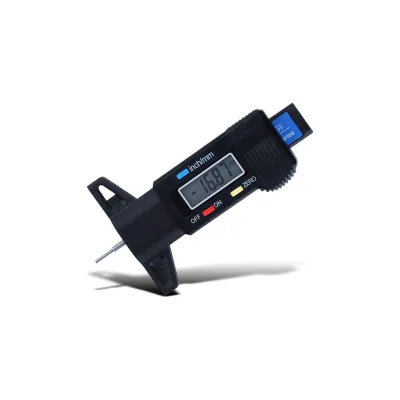
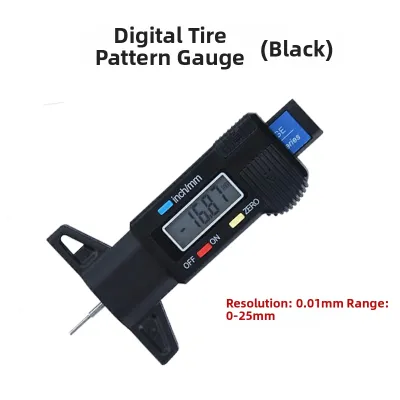
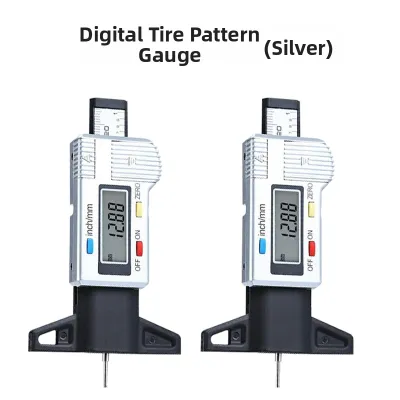
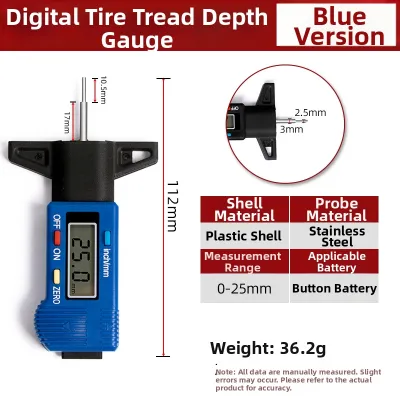
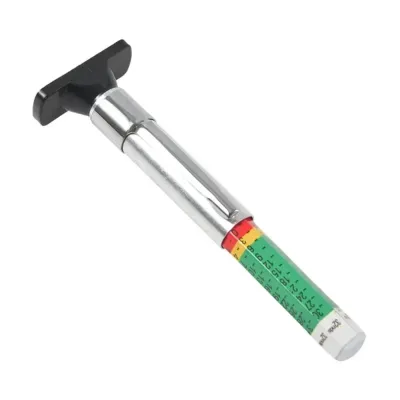
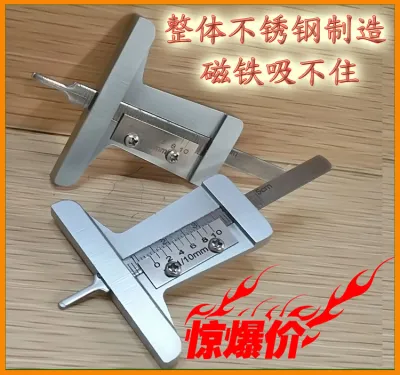
![[SG 🚚] Depth Color Car Tire Tool Measures Gauge Motors Tester Imperial Gage Tyre](https://img.lazcdn.com/g/p/10c9000d599f3d965113a863ec86805f.jpg_400x400q80.jpg_.webp)

Prices are valid at publication and may change. Please refer to the product page for the latest price.
Tools Required for Accurate Tread Measurement
Using a dedicated tyre depth gauge is the only reliable way to obtain precise measurements of your tire tread. Mechanical gauges, often featuring a sliding scale or a dial, are highly durable, require no batteries, and offer straightforward operation. Digital gauges provide a direct numerical readout on an LCD screen, making them exceptionally easy to read, though they require functional batteries and careful handling to maintain accuracy.

While informal methods like using a coin or relying solely on visual estimates are common, they lack the precision needed to detect subtle, uneven wear patterns. A proper gauge measures down to fractions of a millimeter, which is essential for identifying early alignment issues or uneven inflation. To keep your gauge accurate, always wipe the measuring probe clean of dirt or road grit, and perform a zero-calibration by pressing the base flat against a completely level surface before taking any readings.
Step-by-Step Guide to Using a Tyre Depth Gauge
To begin measuring, park your vehicle on a flat, level surface, engage the parking brake, and turn the steering wheel fully to one side to gain clear access to the front tires. Locate the main longitudinal grooves of the tire tread, which are the deep channels running around the circumference of the tire. Avoid placing the gauge probe directly on the raised tread wear indicators (TWI) or on the outer shoulders, as these areas do not represent the true depth of the main contact surface.
Hold the gauge firmly by its housing and press the base flat against the tread blocks surrounding the groove. Gently push the measuring probe down into the center of the groove until it makes firm contact with the bottom of the channel, ensuring the gauge remains perfectly perpendicular to the tire surface. Tilting the gauge at an angle will result in an inaccurate, artificially high reading, so keep your hand steady while taking the measurement.
Once the probe is seated, read the measurement carefully from the scale or digital display. To get a complete picture of the tire’s condition, take at least three readings across the width of the tread: one near the inner edge, one in the center, and one near the outer edge. Repeat this measurement process at three different points around the circumference of the tire, rotating the wheel if necessary, to check for flat spots or irregular wear along the entire circumference.
Interpreting Measurements and Safety Thresholds
Understanding your measurements requires comparing them against established safety baselines and legal standards. Built-in Tread Wear Indicators (TWI) are small, raised rubber bars molded into the bottom of the main tread grooves at regular intervals around the tire. When the surrounding tread wears down to be level with these indicators, the tire has reached its absolute wear limit and must be replaced immediately.
In Singapore, the legal minimum tread depth for passenger cars is 1.6 millimeters. However, waiting until your tires reach this legal limit is highly discouraged by safety experts and tire manufacturers, especially given the frequent wet weather conditions. For optimal safety and wet-weather performance, many manufacturers recommend planning for tire replacement when the tread depth wears down to 3 millimeters, as wet grip degrades rapidly below this threshold.
When analyzing your readings, look closely for any significant variations between the inner, center, and outer measurements. A difference of more than 1 millimeter between different areas of the same tire typically points to underlying mechanical issues, such as incorrect wheel alignment, improper tire inflation, or worn suspension components. Addressing these mechanical issues promptly prevents premature tire wear and ensures your new tires wear evenly.
Additional Tire Conditions That Require Replacement
While tread depth is a primary indicator of tire health, other physical defects can compromise safety and require immediate replacement regardless of how much tread remains. Inspect the sidewalls of all four tires thoroughly for any signs of physical damage, such as bulges, blisters, cuts, or deep gouges. Bulges or bubbles indicate that the internal structural cords of the tire have ruptured, creating a weak spot that could lead to a sudden blowout under driving pressure.
Tires also degrade over time due to environmental exposure, heat, and ozone, leading to dry rot and cracking. Check the sidewall for the DOT manufacture date code, which is a four-digit number representing the week and year of production (for example, “3224” indicates the 32nd week of 2024). Even if the tread depth is well above the legal limit, tires that are older than five to six years should be inspected regularly by a professional, and those exceeding ten years should be replaced as a safety precaution.
If you observe severe cracking, deep sidewall damage, or highly irregular wear patterns, stop driving the vehicle and consult a qualified automotive professional. Attempting to drive on a structurally compromised tire poses a severe safety risk to yourself and other road users. Always refer to your vehicle’s original owner’s manual for specific tire specifications, load ratings, and speed ratings before purchasing replacement tires.
Frequently Asked Questions (FAQ)
How often should I check my tyre tread depth?
For daily drivers, a monthly tire inspection is highly recommended to catch wear patterns early and ensure ongoing safety. Additionally, you should always perform a thorough tread depth check before embarking on long road trips or ahead of seasons characterized by heavy, frequent rainfall. Regular checks allow you to monitor the rate of wear over time, helping you budget for replacements and maintain optimal vehicle handling.
Can I rely solely on the tread wear indicators instead of a gauge?
While tread wear indicators (TWI) provide a helpful visual warning when your tires are dangerously worn, they are not a substitute for a dedicated tyre depth gauge. The TWI only alerts you when the tire has already reached the absolute legal limit of 1.6 millimeters, leaving no margin for proactive maintenance. A gauge allows you to track gradual wear, identify alignment issues early, and replace tires at safer thresholds like 3 millimeters.
What causes uneven tread wear across the tire?
Uneven tread wear is typically caused by incorrect tire pressure or mechanical misalignment. Under-inflation causes the outer shoulders of the tire to wear faster, while over-inflation forces the center of the tread to bear the load and wear prematurely. Wear concentrated on the inner or outer edges usually indicates poor wheel alignment or worn suspension parts, both of which require professional mechanical diagnosis and adjustment.

Community discussion
Share your experience or ask a question. Comments are reviewed before publication.