
Maintaining correct tire pressure is fundamental to vehicle safety, fuel efficiency, and tire longevity. Using a portable car pump allows you to manage this essential maintenance task from your own driveway or during roadside emergencies. To do this correctly, you must identify your vehicle’s specific pressure requirements, prepare your equipment safely, connect the pump securely, and verify the final readings with a reliable gauge.
Understanding Your Vehicle's Correct Tire Pressure
To begin, you must determine the precise inflation target for your vehicle. This specification is determined by the vehicle manufacturer, not the tire manufacturer. You can find this information on the tire information placard, which is typically a printed sticker located on the driver-side door jamb, or within the pages of your vehicle’s owner’s manual.
A common mistake is inflating tires to the pressure rating molded onto the tire sidewall itself. This number represents the maximum inflation pressure the tire can safely hold under maximum load, not the optimal pressure for daily driving. Over-inflating to this maximum limit can lead to a harsh ride, accelerated center-tread wear, and reduced traction on the road.
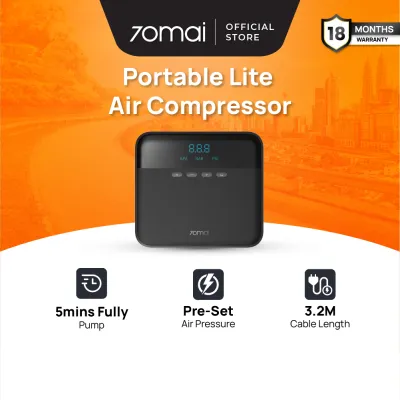
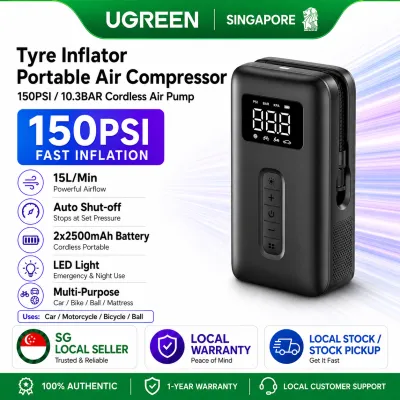
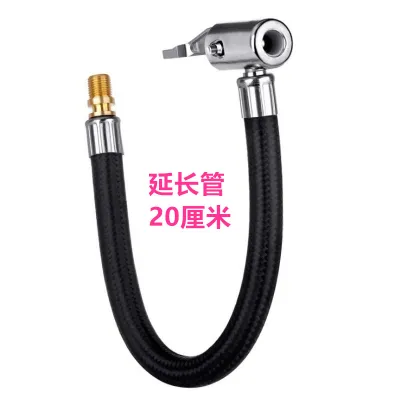
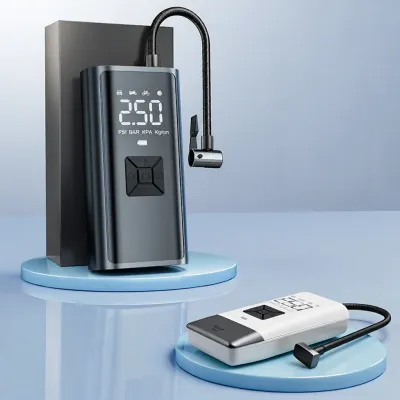
Products mentioned in this guide
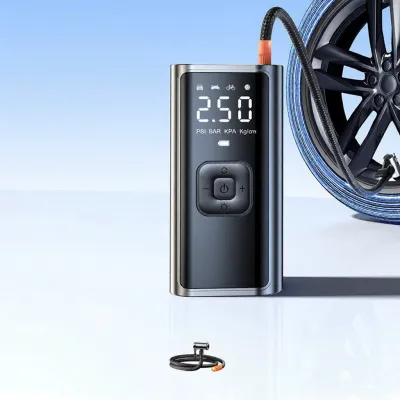
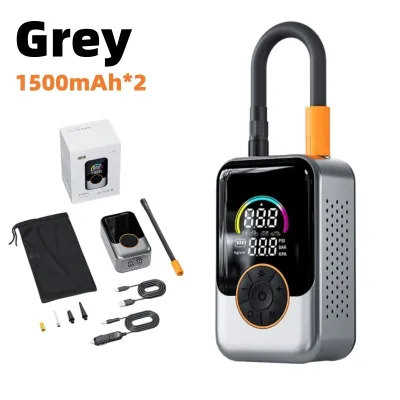
![[SG Stock] Air Pump Car Inflator Compressor Portable Ball Bike Bicycle Rechargeable Basketball Soccer Volleyball Tyre Wheel Tire 12V LED Fast Auto Shut-off Emergency](https://img.lazcdn.com/g/p/cc7d92c566c3860fbbfa1d535cc6f3bb.jpg_400x400q80.jpg_.webp)
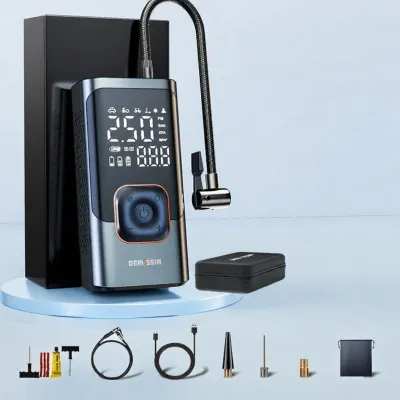
Prices are valid at publication and may change. Please refer to the product page for the latest price.
Always measure and adjust tire pressure when the tires are “cold.” In automotive terms, a tire is considered cold when the vehicle has been parked for at least three hours, or driven less than 1.6 kilometers at moderate speeds. Driving generates friction and heat, which causes the air inside the tire to expand and temporarily raises the pressure reading. Adjusting pressure on hot tires often results in under-inflation once the tires cool down.
Preparing Your Portable Car Pump and Vehicle
Before connecting any inflation equipment, perform a thorough visual inspection of each tire. Look closely for embedded debris like nails or screws, deep cracks in the tread, or unusual bulges along the sidewall. If you notice structural damage or a visible puncture, inflating the tire with a portable pump may not be safe, and the tire may require professional repair or replacement.

Park your vehicle on a flat, level, and stable surface away from active traffic. Engage the parking brake firmly to prevent any unexpected vehicle movement during the process. Depending on the design of your portable pump, ensure you have a reliable power source. This might involve plugging the unit into the vehicle’s 12V auxiliary power outlet, connecting alligator clamps directly to the car battery terminals, or ensuring the pump’s internal battery is sufficiently charged.
Gather all necessary tools before starting. Alongside your portable pump, keep a standalone tire pressure gauge nearby, as built-in pump gauges can sometimes experience calibration drift. A valve core tool can also be useful if you suspect a loose valve core is causing a slow leak, though this should only be adjusted according to the manufacturer’s instructions.
Step-by-Step Guide to Checking and Inflating Your Tires
Start by unscrewing the plastic valve stem cap from the tire you wish to service and place it in a secure spot, such as your pocket or the vehicle’s cup holder, to prevent losing it. Inspect the valve stem briefly to ensure it is clean and free of dirt or corrosion.
Attach the hose connector of your portable pump to the valve stem. If your pump uses a screw-on chuck, thread it clockwise onto the stem until it is snug; if it uses a thumb-lock quick-release chuck, push it firmly onto the stem and flip the lever down to lock it in place. You may hear a brief hiss of escaping air during this step, which is normal, but the sound should stop completely once the connector is fully secured.
Turn on the pump or activate its display to read the initial tire pressure. Compare this reading to the recommended target pressure you identified on the door jamb sticker. If the current pressure is lower than the target, turn on the compressor to begin adding air.
Add air in controlled intervals rather than running the pump continuously for long periods. Many portable pumps generate significant heat during operation, so monitoring the gauge in short bursts helps prevent overheating the unit and allows you to track progress accurately. If your pump features an automatic shut-off function, program it to your target pressure, but remain nearby to monitor the process. If you accidentally over-inflate the tire, use the pump’s built-in bleed valve—or gently depress the center pin of the valve stem with a small tool—to release the excess air until the gauge matches your target.
Once the correct pressure is reached, switch off the pump. Disconnect the hose connector quickly to minimize the amount of air that escapes during removal. Immediately thread the valve stem cap back onto the stem, tightening it finger-tight to protect the internal valve mechanism from road grime, water, and debris.
Verifying the Results and Post-Inflation Checks
After inflating the tire, verify the final pressure using a separate, high-quality standalone pressure gauge. Portable pump gauges can sometimes provide slightly elevated readings due to the pressure buildup within the hose during operation. A dedicated dial or digital pocket gauge offers an independent check to confirm your tires are set correctly.
Listen closely to the valve stem area immediately after removing the pump connector. If you hear a faint hissing sound, or if you apply a drop of soapy water to the valve opening and observe bubbling, the valve core may be loose or damaged. If this occurs, a professional tire technician should inspect or replace the valve assembly.
Modern vehicles equipped with a Tire Pressure Monitoring System (TPMS) may require a manual reset after you adjust the tire pressures. While some systems update automatically after a short drive, others require you to navigate through the vehicle’s dashboard instrument cluster or infotainment menu to store the new baseline pressures. Refer to your vehicle’s owner’s manual for the exact calibration procedure.
Maintaining Your Portable Car Pump for Reliable Use
To ensure your portable pump remains functional when you need it most, store it in a clean, dry, and temperature-stable location inside your vehicle, such as the trunk or under a seat. Extreme heat or cold can degrade the internal seals, weaken battery performance in cordless models, and damage digital display screens over time.
Regularly inspect the pump’s power delivery system. For 12V plug-in models, check the power cord for fraying, kinks, or exposed wires, and inspect the plug tip to ensure the internal fuse is intact. For cordless, rechargeable models, establish a routine to check and top up the battery charge every few months, as lithium-ion batteries naturally lose charge over time when left idle.
Keep the air hose, brass connectors, and nozzle attachments clean. Wipe down the exterior of the unit after use to remove road dust, moisture, or grease. Ensure the hose is coiled loosely without sharp bends that could cause the rubber or braided line to kink or split under pressure.
When to Stop and Seek Professional Tire Service
A portable car pump is designed for routine maintenance and temporary emergency top-ups, not as a permanent solution for structural tire damage. If you notice a rapid drop in pressure immediately after inflation, or if you identify a puncture larger than six millimeters, do not attempt to drive on the tire. Seek professional roadside assistance or mobile tire repair services.
If a tire consistently loses pressure over the course of a few days, this indicates a slow leak that requires professional diagnosis. The cause could be a microscopic puncture, a failing valve stem, a corroded wheel rim flange preventing a proper bead seal, or internal structural damage from an impact. A professional tire shop can safely dismount the tire to inspect the inner liner and perform an authorized repair.
Be aware of the physical limitations of your portable pump. Standard consumer-grade portable pumps are generally not rated to inflate large, high-pressure commercial tires or heavy-duty truck tires from a completely flat state. Furthermore, if a tire has gone completely flat while driving, the tire bead may have unseated from the wheel rim. Attempting to inflate an unseated tire with a low-volume portable pump is highly ineffective and can be dangerous; in such cases, professional equipment and expertise are required.
Frequently Asked Questions (FAQ)
Can I use a portable car pump while the engine is running?
Yes, for most 12V DC portable pumps, it is highly recommended to keep the vehicle’s engine running during operation. Running the engine ensures that the vehicle’s alternator maintains a stable system voltage, preventing the pump from draining the car battery. However, always consult both your vehicle’s manual and the pump manufacturer’s instructions first. Ensure the vehicle is parked in a well-ventilated outdoor area—never inside a closed garage—to avoid the buildup of dangerous carbon monoxide fumes while the engine is running.
How often should I check my tire pressure with a portable pump?
It is best practice to check your tire pressure at least once a month, as well as before embarking on any long road trips. Tires naturally lose a small amount of air pressure over time through microscopic pores in the rubber. Additionally, significant changes in ambient seasonal temperatures will affect tire pressure; a drop in outdoor temperature typically causes a corresponding drop in tire pressure, making regular checks during seasonal transitions highly important.
What should I do if my portable pump's digital gauge seems inaccurate?
If you suspect the built-in gauge is inaccurate, first verify the reading by testing the tire with a separate, calibrated standalone pocket gauge. Check all hose connections between the pump and the tire valve stem to ensure there are no micro-leaks, as escaping air can cause false pressure readings on the pump’s display. If the pump’s gauge consistently reads incorrectly despite secure connections, the unit may require professional recalibration or replacement.

Community discussion
Share your experience or ask a question. Comments are reviewed before publication.