
Selecting the right motorcycle engine oil is critical for protecting your engine and ensuring smooth operation. The numbers on an oil bottle, such as 10W-40 or 15W-50, represent the oil’s viscosity grade, which dictates how the fluid flows at different temperatures. Choosing the correct grade ensures that your engine components remain properly lubricated during cold starts and under extreme operating heat, while also protecting the wet clutch system. To make the right choice, you must understand how to decode these numbers and always defer to the specifications set by your motorcycle’s manufacturer.
Understanding Viscosity Numbers on Oil Labels
The alphanumeric codes on motorcycle engine oil bottles are established by the Society of Automotive Engineers (SAE) to define how an oil behaves at low and high temperatures. In a multi-grade oil like 10W-40, the first part of the code represents the oil’s low-temperature flow characteristics. The “W” stands for winter, and the preceding number indicates how easily the engine can crank and how quickly the oil will flow to critical components during a cold start. A lower number before the “W” means the oil remains more fluid in cold conditions, reducing initial wear when you first start the engine.
The second number in the sequence, such as the “40” in 10W-40, represents the oil’s resistance to thinning at high operating temperatures, specifically measured at 100 degrees Celsius. As an engine heats up, oil naturally thins out, which can compromise the protective barrier between moving metal parts. A higher second number indicates a thicker oil film at high temperatures, providing robust protection under heavy loads or in hot climates.
Products mentioned in this guide
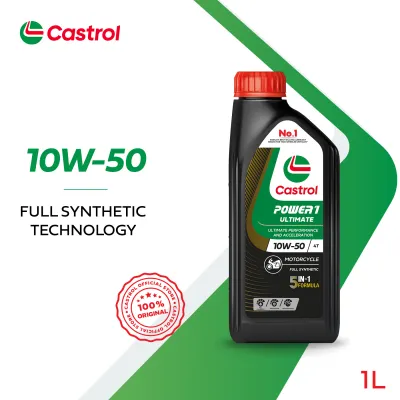
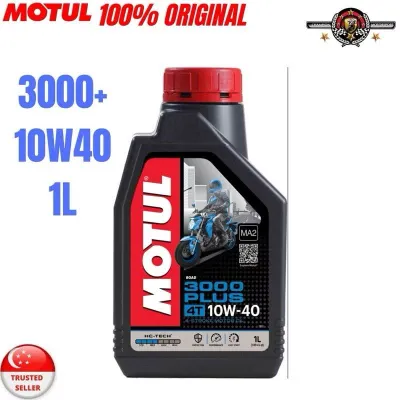
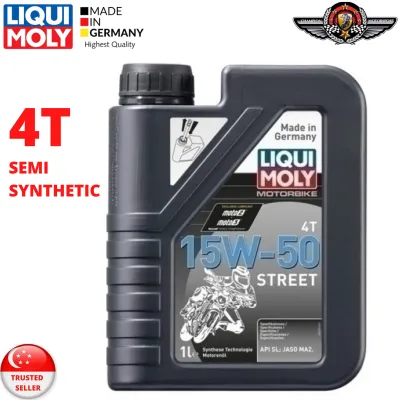
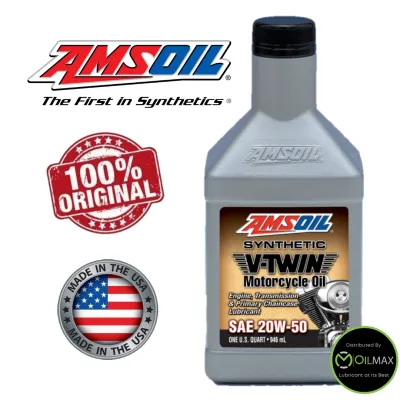
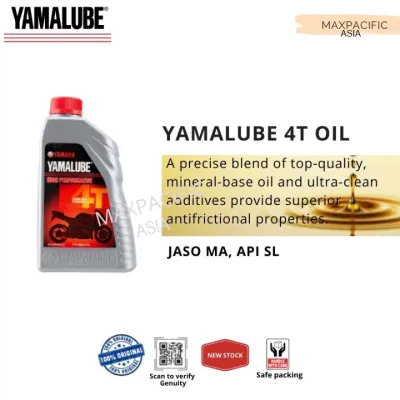
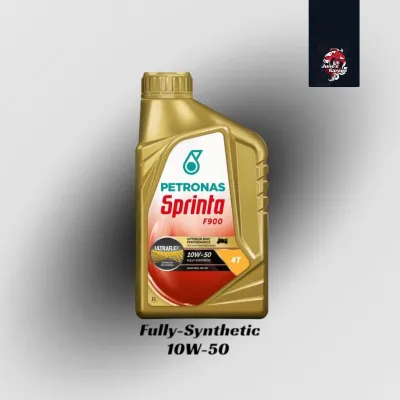
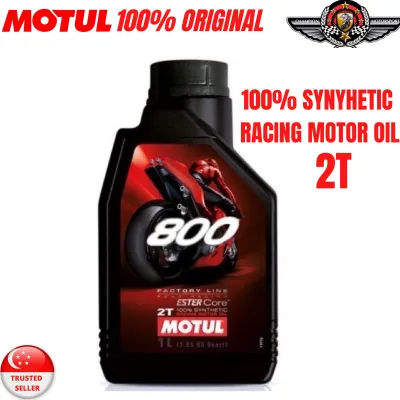
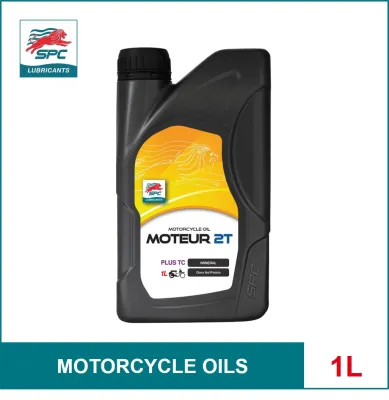
Prices are valid at publication and may change. Please refer to the product page for the latest price.
Multi-grade oils are formulated with viscosity index improvers, allowing them to flow like a thin oil when cold but maintain the protective properties of a thicker oil when hot. This is different from single-grade oils, which have a fixed viscosity and are rarely used in modern motorcycles because they cannot adapt to wide temperature ranges.
It is a common misconception that a higher high-temperature number always provides better protection. If the oil is too thick for your specific engine, it may not flow quickly enough through the narrow internal clearances, leading to localized overheating and increased wear. The ideal viscosity is not the thickest available, but the one that matches the precise engineering tolerances of your motorcycle’s engine.
Why Manufacturer Specifications Matter More Than Brand Claims
When selecting motorcycle engine oil, the recommendations in your owner’s manual must always take precedence over marketing claims or general advice. Motorcycle manufacturers design their engines with specific bearing clearances, oil pump capacities, and cooling systems that are engineered to operate with a precise range of oil thicknesses. Using an oil that deviates from these specifications can disrupt internal oil pressure and prevent the lubricant from reaching critical areas like the valvetrain.

A frequent mistake among riders is switching to a significantly thicker oil, such as moving from a recommended 10W-30 to a 20W-50, under the assumption that it will reduce oil consumption or offer superior protection in hot weather. While a thicker oil might slightly slow down consumption in an older, worn engine, it can also increase internal drag, raise operating temperatures, and reduce fuel efficiency in a modern, tight-tolerance engine.
Ambient climate does play a role in oil selection, but only within the specific parameters allowed by the manufacturer. Most owner’s manuals include a temperature chart showing alternative viscosity grades that are safe to use in different seasonal conditions. For instance, in a consistently hot tropical climate like Singapore, the manual might permit a slightly higher cold-start rating, such as 15W-40 instead of 10W-40, provided the high-temperature rating remains within the approved limits. Always verify these options in your official documentation before making a change.
How to Find and Verify the Correct Oil Grade for Your Bike
Locating the correct oil specification for your motorcycle is a straightforward process that begins with your owner’s manual. Look for the section labeled “Maintenance,” “Specifications,” “Lubricants,” or “Fluids.” This section will clearly state the primary recommended viscosity grade and may provide a chart detailing acceptable alternatives based on the ambient temperature range of your riding environment. Never infer compatibility from a generic category term; always verify the exact vehicle model, year, and manufacturer specifications.
If you do not have the physical owner’s manual, you can often find a digital version on the manufacturer’s official website. Additionally, many motorcycles feature quick-reference labels directly on the machine itself. Check the area around the oil filler cap, the engine casing, or the safety and maintenance stickers located under the seat or on the swingarm for factory-stamped viscosity recommendations.
Finding the correct viscosity is only half the battle; you must also verify that the oil meets the required performance standards. Most modern motorcycles utilize a wet clutch system, where the engine oil also lubricates the clutch plates. To prevent clutch slippage, you must ensure the oil carries the correct Japanese Automotive Standards Organization (JASO) certification, typically JASO MA or MA2, which is printed on the back label of the bottle.
Common Mistakes When Choosing Motorcycle Engine Oil
One of the most damaging mistakes a rider can make is using standard automotive engine oil in a motorcycle. Automotive oils are frequently formulated with friction modifiers designed to maximize fuel economy in passenger cars. When poured into a motorcycle with a wet clutch, these friction modifiers can cause the clutch plates to slip, leading to poor power transfer, accelerated clutch wear, and eventual transmission damage. Always look for oils specifically labeled for motorcycle use and follow the label-authorized applications.
Another common oversight is neglecting the oil filter during an oil change. A clean, high-quality oil filter is essential for trapping contaminants, metal shavings, and combustion byproducts that accumulate in the oil over time. Installing fresh, high-grade oil while leaving a dirty, clogged filter in place can quickly contaminate the new oil and restrict flow, undermining the benefits of the correct viscosity grade.
Finally, do not choose an oil based solely on the “full synthetic” label without verifying that the viscosity and clutch certifications match your manual’s requirements. While synthetic oils generally offer better thermal stability and resistance to breakdown than conventional mineral oils, a synthetic oil of the wrong viscosity or one lacking the necessary JASO MA/MA2 rating can still cause engine or clutch issues. Always prioritize the correct viscosity and performance standards first, then choose your preferred oil base type.
Frequently Asked Questions (FAQ)
Can I mix different viscosity grades of motorcycle oil?
Mixing different viscosity grades of motorcycle oil is not recommended because it alters the overall flow characteristics and high-temperature protection. If you mix a 10W-30 oil with a 15W-50 oil, the resulting mixture will have an unpredictable intermediate viscosity that may not meet your engine’s requirements. For routine top-ups, use the exact same brand and viscosity grade currently in your engine. If you must add a different grade in an emergency to prevent running dry, treat it as a temporary measure and perform a complete oil change as soon as possible.
Is it safe to use a slightly different viscosity if my exact grade is unavailable?
If your exact viscosity grade is unavailable, consult your owner’s manual to see if the manufacturer lists approved alternative grades for your ambient temperature. Many manuals permit using a slightly different grade, such as 10W-40 instead of 10W-30, if the riding temperatures fall within a specific range. If you must use an unapproved grade in an emergency, ride conservatively to avoid putting excessive load or heat on the engine, and perform a complete oil drain and refill with the correct grade at your earliest opportunity.

Community discussion
Share your experience or ask a question. Comments are reviewed before publication.