
To get the most out of charcoal for car use, place the bags in areas with low natural airflow where moisture and odors pool, such as under the front seats, near the floor mats, or inside the boot. For a standard sedan, using two to four medium-sized activated charcoal bags is generally sufficient, while larger vehicles like multi-purpose vehicles (MPVs) or sport utility vehicles (SUVs) may require more.
In hot and humid climates like Singapore, cars parked under the sun can experience rapid moisture buildup and intensified cabin odors. Placing these passive absorbers strategically helps capture volatile organic compounds (VOCs) and dampness before they settle into the upholstery. However, their effectiveness depends entirely on proper placement, regular maintenance, and preparing the vehicle’s interior beforehand.
Understanding the Role of Charcoal Bags in Your Car
Chemical air fresheners often release synthetic fragrances to overpower unpleasant smells, which can create an overwhelming mixture of scents in a hot, enclosed cabin. In contrast, activated charcoal acts as a passive filter, trapping odor molecules and moisture within its highly porous structure without adding new scents.
Products mentioned in this guide
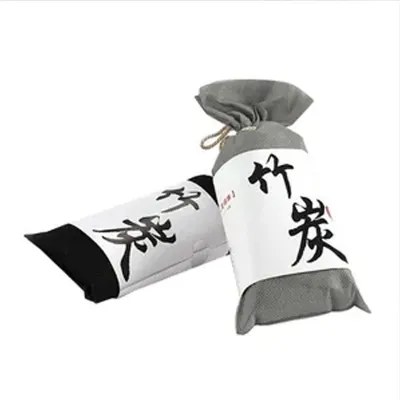
![[SG Ready STOCK] 500g Activated Bamboo Charcoal Bag Pouch Deodorizer Freshener Bag Car Wardrobe Home Dehumidifier Household Remove Formaldehyde](https://img.lazcdn.com/g/p/6fce198071e29382ebe2a7f778d051ff.jpg_400x400q80.jpg_.webp)

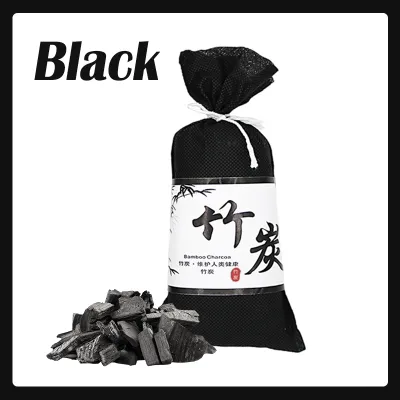

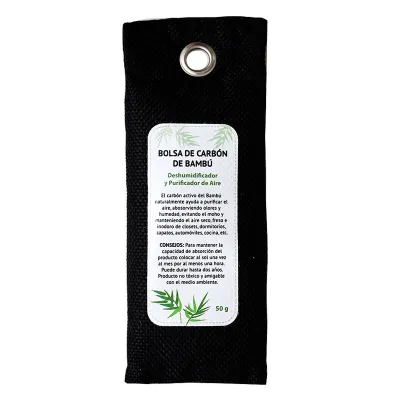
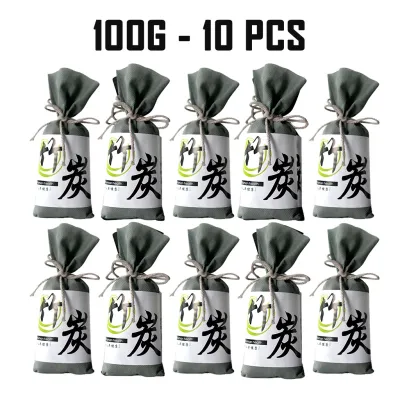

Prices are valid at publication and may change. Please refer to the product page for the latest price.
Porous materials like activated bamboo charcoal contain millions of microscopic pores. These pores attract and trap volatile organic compounds (VOCs), dampness, and airborne impurities through a physical process called adsorption. This process binds the odor-causing molecules to the surface of the charcoal rather than simply masking them.
However, charcoal does not eliminate the physical source of the odor. If there is a spilled beverage, decaying food, or a leak in the cabin, charcoal bags will not clean the active spill or stop the smell from regenerating. They are designed to manage ambient odors and residual moisture rather than replace physical cleaning.
Preparing the Interior Before Placement
Before placing charcoal for car use, a thorough physical cleaning of the cabin is essential. Passive absorbers can easily become overwhelmed if they are forced to compete with active, ongoing odor sources. Start by removing all physical trash, discarded food packaging, and damp items from the cabin, door pockets, and glove compartment.

Take out the floor mats and vacuum the carpets thoroughly to remove trapped dirt, pet dander, and organic debris. If you find any damp spots on the carpet or upholstery, identify the source of the moisture—such as a leaking door seal or a spilled drink—and allow the area to dry completely before introducing the charcoal bags.
Check hidden moisture traps, such as the spare wheel well in the boot or the spaces underneath the seats. In humid climates, condensation from the air conditioning system or wet umbrellas left on the floor can create localized damp zones. Addressing these issues first ensures that the charcoal bags can focus on absorbing ambient odors rather than working to dry out a flooded footwell.
Optimal Placement Strategies for Maximum Absorption
To maximize the efficiency of charcoal for car interiors, place the bags in areas where air naturally stagnates or where odors are most concentrated. Passive absorption relies on air coming into contact with the surface of the bag, so positioning them in “dead zones” helps capture lingering smells.
Safety is a critical consideration when placing any loose accessory in a vehicle. Ensure that all charcoal bags are positioned securely so they cannot slide, roll, or shift during sudden braking or sharp turns. Never place a bag on the driver’s side floor where it could potentially roll under the brake or accelerator pedals and interfere with vehicle control.
Additionally, keep the bags away from direct contact with delicate or light-colored interior surfaces if the manufacturer’s instructions advise against it. While the outer fabric of high-quality bags is designed to contain the charcoal, friction or moisture could cause fine dust to transfer onto porous leather or light fabric upholstery.
Targeting High-Traffic and Moisture-Prone Zones
Placing charcoal bags directly under the front and rear seats is one of the most effective strategies for daily odor control. These areas have naturally low air circulation, making them prime spots for musty smells and trapped moisture to accumulate.
Positioning the bags near the floor mats is highly beneficial, especially in humid environments where passengers frequently enter the vehicle with wet shoes or damp umbrellas. The charcoal helps absorb the ambient moisture rising from the floorboards before it can penetrate the seat cushions or headliner.
You can also utilize door pockets or seatback organizers to hold smaller charcoal bags. This keeps them elevated and exposed to the air circulating through the cabin while ensuring they do not obstruct passenger legroom or interfere with seat adjustment mechanisms.
Managing Airflow and Enclosed Compartments
To help filter circulating air, place a charcoal bag near the cabin’s air intake points, typically located under the dashboard on the passenger side. While you must never block the air conditioning vents or intake grilles directly, positioning a bag nearby allows the moving air to pass over the charcoal, enhancing its passive filtration effect.
The boot is another critical area that requires dedicated odor management. Groceries, damp sports gear, muddy shoes, and utility items are often stored in the boot for extended periods, leading to a buildup of stale smells. Placing a larger charcoal bag in a secure corner of the boot helps keep this enclosed space fresh.
For smaller, fully enclosed storage spaces like the glove compartment or the center console, use compact charcoal bags. These tight spaces often trap odors from plastic materials, old receipts, or stored items, and a small absorber can prevent the air from becoming stale.
Determining the Right Quantity for Your Vehicle
The number of charcoal bags required depends heavily on the size of your vehicle and the severity of the odors you are trying to manage. A single small bag is rarely sufficient to treat an entire vehicle cabin effectively.
For compact hatchbacks or sedans, a setup of two medium-sized bags (typically around 200 grams each) placed in the main cabin and one in the boot is a practical starting point. Larger vehicles, such as seven-seater MPVs or large SUVs, have a much greater cabin volume and will require four or more bags distributed across the front, middle, and rear rows to achieve noticeable results.
Scale the quantity based on your specific driving habits and environmental exposure. If you frequently transport pets, carry damp sports equipment, or park your car in high-humidity areas, you will need to increase the number of bags to handle the higher moisture load. Always consult the specific product’s packaging for coverage guidelines, as different manufacturers use varying densities of activated charcoal.
Maintenance and Recharging Routine
Unlike chemical air fresheners that must be discarded once their scent fades, activated charcoal bags can be refreshed and reused. To maintain their absorption capacity, you must periodically release the trapped moisture and odor molecules from the charcoal pores.
The standard method for recharging charcoal bags is to expose them to direct sunlight for at least one to two hours. The heat from the sun warms the charcoal, causing the trapped water vapor and volatile compounds to expand and escape from the microscopic pores, effectively resetting the bag’s absorption capacity. In Singapore’s sunny climate, placing the bags on a clean, dry outdoor surface or on a sunny windowsill on a hot afternoon is highly effective.
Determine when a bag has reached the end of its usable lifespan by monitoring its physical condition and the return of cabin odors. Over time, the pores can become permanently clogged with heavy dust or oils that sunlight cannot release. If a bag no longer eliminates odors even after a thorough session in the sun, or if the outer fabric becomes torn or heavily soiled, it is time to replace it. Always follow the manufacturer’s specific instructions regarding recharging frequency and proper disposal of the charcoal material.
When Charcoal Bags Are Not Enough
While charcoal bags are excellent passive maintenance tools, they have clear limitations and cannot resolve deep-seated mechanical or biological issues within a vehicle. If a persistent, sour, or musty smell remains after cleaning the interior and using charcoal, the source is likely hidden.
A common culprit for persistent cabin odors is a dirty cabin air filter or mold growth within the air conditioning evaporator core. When moisture accumulates on the evaporator coils, it creates an ideal environment for mold and bacteria to thrive, blowing musty air into the cabin every time the system is turned on. In such cases, passive charcoal bags cannot reach or neutralize the mold source.
If you suspect mold in the ventilation system, or if there is deep-seated organic decay under the carpets from an old spill, professional intervention is required. You may need to replace the cabin air filter, perform an air conditioning system flush, or seek professional interior detailing. Consult a qualified automotive professional or detailing specialist to diagnose and resolve persistent odors that do not respond to basic cleaning and passive absorption.
Frequently Asked Questions (FAQ)
Can I use regular BBQ charcoal instead of activated bamboo charcoal?
No, regular BBQ charcoal briquettes should not be used as a substitute for activated bamboo charcoal in a vehicle. BBQ charcoal is manufactured differently and lacks the highly developed, microscopic pore structure of activated charcoal, making it far less effective at absorbing odors and moisture. Furthermore, many commercial BBQ briquettes contain chemical additives, binders, or accelerants designed to help them ignite easily, which can release unpleasant or harmful chemical fumes into the confined space of your car’s interior.
Will charcoal bags damage my car's leather or interior surfaces?
High-quality charcoal bags are typically safe for car interiors, provided the outer fabric remains intact and free of damage. The primary risk comes from fine charcoal dust leaking through cheap, poorly stitched, or damaged bags, which can leave dark stains on light-colored leather, fabric upholstery, or plastic trim. To prevent any surface damage, regularly inspect the bags for wear, avoid placing them directly on damp leather, and check the product label for specific surface compatibility instructions before placement.

Community discussion
Share your experience or ask a question. Comments are reviewed before publication.