
To maximize the lifespan of a Yankee Car Jar air freshener in a hot, tropical climate like Singapore’s, you must control its exposure to direct sunlight, heat, and high-velocity airflow. Hanging the freshener in a shaded area with indirect air circulation, keeping it partially enclosed in its original plastic packaging with only a small opening cut at the top, and ensuring it never comes into contact with your vehicle’s interior surfaces are the most effective ways to preserve its fragrance oils. Because parked vehicles in tropical regions can quickly turn into high-heat environments, strategic placement and controlled exposure are essential to prevent the concentrated oils from evaporating too rapidly.
Confirm You Have the Correct Car Air Freshener
Before hanging any fragrance product in your vehicle, you must verify that you are using an authentic, automotive-specific product rather than a miniature version of a household candle. The genuine hanging Yankee Car Jar is specifically engineered for automotive environments, typically constructed from oil-infused paperboard, fiber, or a specialized gel housed in a lightweight plastic frame. These materials are designed to withstand the ambient temperature fluctuations of a vehicle cabin without posing physical hazards.
Conversely, traditional glass jar candles—even miniature or decorative ones—are strictly designed for stationary household use and present severe safety risks if left inside a vehicle. Under the intense tropical sun, cabin temperatures can easily exceed 60 degrees Celsius. This extreme heat can melt candle wax into a messy, hard-to-clean liquid, degrade the structural integrity of the glass, or even cause the glass to shatter due to thermal stress. Furthermore, concentrated glass can act as a magnifying lens for sunlight, creating a localized fire hazard on your dashboard or seats. Always inspect the product packaging before purchase to confirm it features explicit labeling for automotive hanging use, and never substitute a household candle for a dedicated car air freshener.
Products mentioned in this guide
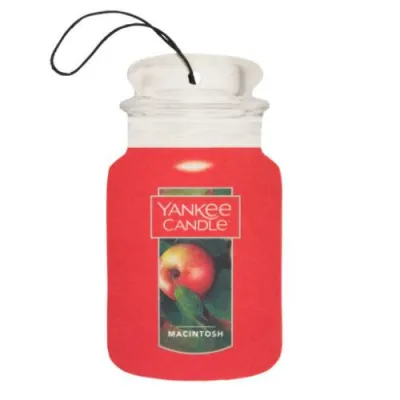
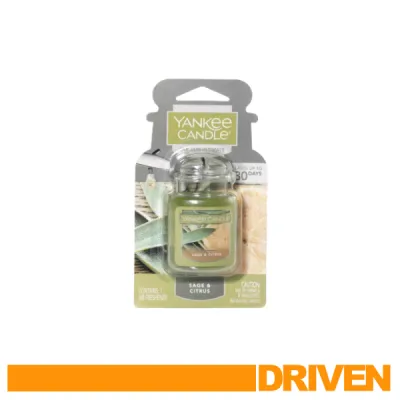
Prices are valid at publication and may change. Please refer to the product page for the latest price.
Strategic Placement to Counteract Tropical Heat
In Singapore, where cars are frequently parked in open-air lots or exposed to intense midday sun, choosing the right hanging location is critical to preventing your air freshener from drying out within days. While hanging a freshener from the rearview mirror is a common practice, doing so exposes the product to direct, unfiltered sunlight through the front windshield. If your vehicle lacks high-performance solar tinting, this direct solar radiation heats the freshener rapidly, causing the volatile fragrance oils to evaporate at an accelerated rate.

To counteract this rapid evaporation, seek out indirect airflow zones that remain shaded throughout the day. Excellent alternative locations include the passenger-side grab handles, rear coat hooks, or suspended beneath the lower dashboard area. These spots shield the freshener from direct sunlight while still allowing the cabin’s natural air currents to distribute the scent. Avoid hanging the freshener directly in front of or onto the air conditioning vents; while this might provide an immediate burst of fragrance, the continuous blast of air will strip the oils from the material far too quickly.
When mounting the freshener, pay close attention to the length of the hanging string. Adjust and knot the string so that the freshener remains stable during acceleration, braking, and cornering. A loose, overly long string allows the freshener to swing wildly, which can distract the driver, obstruct the forward line of sight, or repeatedly strike the windshield. Keeping the string short and secure ensures the freshener remains safely suspended in its designated shaded zone.
Usage Techniques to Extend Fragrance Life
The way you open and manage the packaging of your Yankee Car Jar plays a decisive role in how long the fragrance lasts. Many drivers make the mistake of tearing off the entire plastic protective sleeve immediately after purchase. In a hot climate, exposing the entire surface area of the oil-infused material to the air all at once leads to an overwhelming initial scent that quickly burns out. Instead, keep the freshener inside its plastic sleeve and use scissors to cut a small, V-shaped slit or a narrow opening at the very top of the plastic. This simple modification allows the fragrance to escape gradually, significantly extending the product’s lifespan by limiting the surface area exposed to the hot cabin air. As the scent begins to fade over the coming weeks, you can gradually pull the freshener further out of the sleeve.
For paperboard or fiber-based fresheners, you can periodically flex or gently flip the product to help redistribute any remaining fragrance oils that may have settled toward the bottom. Always refer to the manufacturer’s specific care instructions on the packaging before handling the product, and wash your hands thoroughly with soap and water immediately afterward to remove any oil residue.
Recognizing the signs of depletion helps you manage your replacements efficiently. Over time, the freshener will exhibit clear visual and sensory changes. A paperboard freshener will develop a dry, stiff texture and lose its original pliable feel, while gel-based variants will visibly shrink and dry up within their plastic frames. Once the scent is no longer perceptible even when the vehicle’s air conditioning is running, it is time to replace the unit.
Protecting Your Car Interior from Fragrance Oils
While these air fresheners are excellent for keeping your cabin smelling fresh, the concentrated fragrance oils they contain can be highly destructive to automotive interior materials if direct contact occurs. When heated by the tropical sun, these oils become highly active solvents. If the freshener rests against or repeatedly brushes against plastic panels, leather upholstery, vinyl trim, or painted dashboard surfaces, the oils can chemically react with the materials. This often results in stripped dyes, permanent fabric staining, or even the physical melting and bubbling of soft-touch plastic finishes.
To prevent this costly damage, maintain strict clearance between the suspended freshener and all interior surfaces. Ensure that even at the maximum angle of a swing, the freshener cannot touch any part of the car’s cabin. If you practice spirited driving or frequently travel over uneven roads, secure the freshener extra tightly to prevent accidental contact. Additionally, advise passengers—especially children—not to pull, play with, or reposition the hanging freshener.
In the event of accidental contact or an oil spill, immediate action is required to minimize damage. Blot the affected area gently with a clean, dry microfiber cloth to absorb as much excess oil as possible; avoid rubbing, which can push the oil deeper into porous materials or spread the stain. Once the excess oil is removed, apply a dedicated automotive interior cleaner suitable for the specific material (such as leather or plastic). Always test the cleaner on a small, hidden area first to ensure it does not cause discoloration or surface damage before treating the affected spot.
Frequently Asked Questions (FAQ)
Can I leave my car freshener in the vehicle when parked under the sun?
Yes, you can leave the freshener in the vehicle, but you should take steps to mitigate the extreme heat buildup. When a car is parked under the direct tropical sun in Singapore, cabin temperatures can rise rapidly, accelerating the evaporation of the fragrance oils and causing the scent to dissipate much faster than intended. To protect your freshener and extend its lifespan, try to park in shaded areas, such as multi-storey car parks or under building canopies, whenever possible. Utilizing a high-quality reflective windshield sunshade is also highly effective, as it blocks direct solar radiation and keeps the interior cabin temperature significantly lower, preserving both your air freshener and your car’s interior trim.
Will the air conditioning make the scent fade faster?
The air conditioning itself does not degrade the fragrance oils; in fact, the cooler temperatures provided by the AC help slow down the natural evaporation rate of the oils. However, the physical force of strong, direct airflow from the AC vents will strip the fragrance from the freshener’s material at an accelerated rate. If you place the freshener directly in the path of an active vent, the high-velocity air acts as a constant extractor, pulling the scent out rapidly and shortening the product’s lifespan. To get the best of both worlds, position the freshener in an indirect airflow zone where the cabin’s ambient air circulation can gently distribute the scent without subjecting the product to a direct blast of cold air.

Community discussion
Share your experience or ask a question. Comments are reviewed before publication.