
Finding the right sun shield for small car windows requires measuring the interior glass surface from edge to edge, accounting for any curves, seals, and mounting obstructions. Unlike standard windshields, small side and quarter windows often feature irregular, asymmetrical shapes that demand precise dimensions to prevent light leakage, heat buildup, and visibility hazards. By taking accurate width, height, and diagonal measurements with a flexible tape, you can select a shade that fits securely without sagging or interfering with your vehicle’s door mechanisms.
Why Precise Sizing Matters for Small Car Windows
In tropical climates with intense year-round sunlight, such as Singapore, cabin heat buildup is a constant challenge for drivers. While many car owners focus on shading the front windshield, small side windows and rear quarter panels are often left unprotected. These smaller glass areas can act as heat traps, allowing solar radiation to warm up the cabin even when the main windshield is covered.
When a sun shield does not fit precisely, light leakage occurs around the edges. Even a tiny gap of a few millimeters can let in a concentrated beam of sunlight, which rapidly heats up the interior leather, plastics, and child car seats. This localized heat makes your vehicle’s air conditioning work much harder to cool the cabin, increasing fuel consumption over time.
Products mentioned in this guide
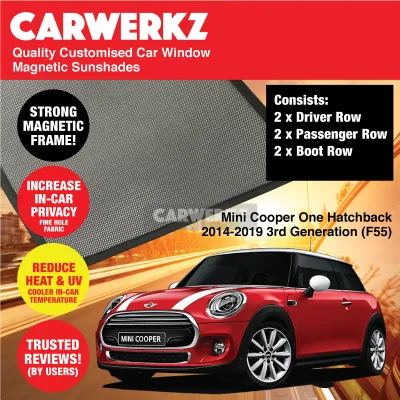
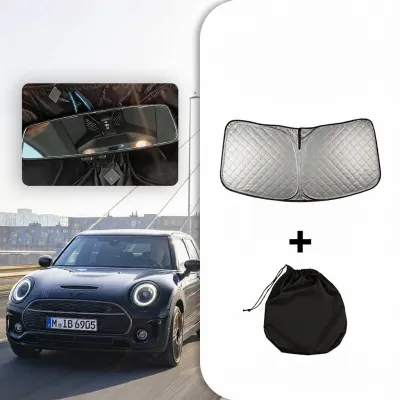
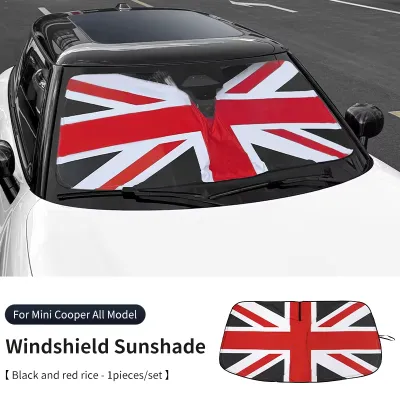
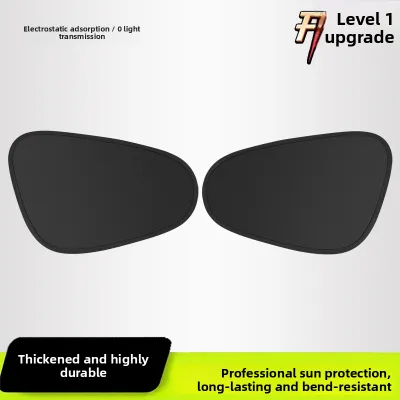
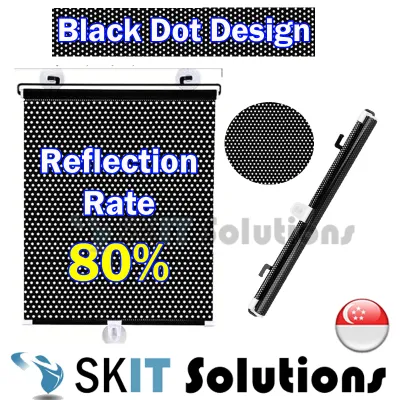
Prices are valid at publication and may change. Please refer to the product page for the latest price.
Conversely, an oversized sun shield presents its own set of problems. If the material is too large for the window frame, it will overhang or buckle. This excess material can obstruct your view of the side mirrors or blind spots, which is highly dangerous when navigating busy multi-lane expressways or tight urban parking spaces. Furthermore, a buckled shield lacks structural integrity, causing it to collapse or fall off while you are driving.
Small quarter windows and rear passenger windows differ significantly from standard rectangular side windows. They often feature sharp angles, tapering frames, or highly curved glass designed to match the aerodynamic profile of the vehicle. Because of these unique geometries, a generic, one-size-fits-all shade rarely provides adequate coverage, making precise custom measurements essential.
Essential Tools for Measuring Car Windows
To obtain accurate dimensions of your small car windows, you must use the correct tools. A standard metal tape measure, while excellent for home DIY projects, is unsuitable for automotive glass. Metal tapes are rigid and cannot conform to the subtle, three-dimensional curves of car windows, which can lead to underestimating the actual surface area of the glass.

A flexible sewing tape measure, also known as a tailor’s tape, is the ideal tool for this task. It is soft, highly pliable, and can easily lie flat against curved glass surfaces. It also allows you to measure deep into the corners and tight recesses of the window frame without scratching the glass or damaging any aftermarket window tint films.
Additionally, keep a notepad or a digital note-taking app open on your phone to record your measurements immediately. It is easy to confuse the dimensions of the left and right windows, or the width and height of different panels. Label each measurement clearly, such as “Rear Left Passenger Window” or “Right Quarter Glass,” and note down the width, height, and diagonal figures separately.
Avoid using rigid plastic rulers or wooden yardsticks. These tools cannot bend to match the window’s contours, and their hard, sharp edges can easily scratch your interior door trim, scuff the plastic pillars, or tear the delicate rubber weatherstripping that seals your windows against rain and wind.
Step-by-Step Guide to Measuring Small Windows
Measuring a small car window requires a systematic approach to ensure you capture the true usable area. You cannot simply take a single horizontal and vertical measurement and assume a shade will fit. Instead, you must measure both the visible glass area and the inner frame boundaries to determine the maximum space available for mounting.
The visible glass area is the transparent portion of the window that lets in light. The inner frame boundary includes the rubber weatherstripping and the surrounding plastic or fabric trim. Depending on the type of sun shield you choose, you may need to mount the shade directly to the glass or wedge it into the surrounding frame, making both sets of measurements highly valuable.
Capturing Width, Height, and Diagonals
Begin by measuring the width of the interior glass area. Place the end of your flexible measuring tape at the leftmost edge of the visible glass and extend it horizontally to the rightmost edge. Because small windows often taper, take this measurement at three different points: along the bottom edge, across the middle, and along the top edge. Record all three numbers.
Next, measure the height of the window. Place the tape at the lowest point of the visible glass and extend it vertically to the highest point. Just like the width, the height can vary across the span of the window, especially on rear passenger doors that curve downward near the back. Measure the height at the front edge, the center, and the rear edge of the glass.
To identify asymmetrical or trapezoidal shapes, you must take diagonal measurements. Measure from the top-left corner of the glass to the bottom-right corner, and then from the top-right corner to the bottom-left corner. If these two diagonal measurements are unequal, your window is asymmetrical, meaning a standard rectangular shade will not fit properly without leaving large gaps.
Finally, record both the smallest and largest dimensions you have captured. If you plan to purchase a rigid, non-flexible sun shield, you must select a size that fits within the smallest dimensions to prevent the frame from bending. If you are opting for a flexible mesh or a trim-to-fit shade, the largest dimensions will guide you in ensuring complete coverage of the glass.
Accounting for Curves, Seals, and Mounting Points
Before finalizing your measurements, examine the rubber weatherstripping and seals surrounding the window. Gently press the rubber with your finger to check its depth and flexibility. Some premium sun shields are designed to tuck slightly inside these rubber channels for a clean, friction-fit look. If you choose this style, add three to five millimeters to your glass measurements to allow the shade to sit securely inside the seals.
Next, identify any physical obstructions on or near the window frame. Look for manual window cranks, power window switches, door handles, lock pins, or built-in window hinges. If your vehicle has rear quarter windows that pop open manually, the latch mechanism will protrude into the cabin. Your sun shield must be sized or shaped to avoid these components so it does not interfere with their operation.
You must also decide whether the shield will sit directly against the glass or mount to the surrounding trim. If you plan to use suction cups, you only need to measure the flat, smooth areas of the glass, avoiding any defroster lines or textured ceramic borders (the black dotted pattern around the edge of the glass), as suction cups cannot maintain a vacuum on textured surfaces. If you choose magnetic or clip-on shades, focus your measurements on the metal or plastic frame surrounding the window.
Matching Measurements to Sun Shield Types
Once you have recorded your precise measurements, you can evaluate which type of sun shield is most suitable for your small car windows. Different designs accommodate different shapes, mounting styles, and usage patterns.
Static cling or adhesive films are highly suitable for very small, highly curved, or irregularly shaped quarter windows. These films do not use suction cups or frames; instead, they adhere directly to the glass using static electricity or a mild, residue-free adhesive. Because you can easily trim these films with a pair of scissors or a utility knife, they are perfect for windows with complex angles where off-the-shelf shades fail to fit.
Retractable or accordion-fold shades are ideal for standard small rear windows that have flat, vertical surfaces. These shades typically mount to the top or bottom of the window frame using suction cups or small brackets. When matching your measurements to a retractable shade, ensure the maximum extension height of the shade matches or slightly exceeds your window’s vertical height, and that the casing width fits within the narrowest part of your window frame.
Custom-cut or trim-to-fit mesh options are highly effective for unique window shapes that defy standard sizing. Some manufacturers produce vehicle-specific magnetic mesh shades that are pre-cut to match the exact dimensions of your car’s make and model. If custom-fit options are unavailable or outside your budget, universal trim-to-fit mesh panels allow you to cut the fabric to your recorded dimensions and attach them using small adhesive clips.
When deciding between suction cup and friction-fit mounting, consider the available flat glass surface area. Suction cups require a completely flat, non-porous surface to stay secure. If your small window has a tight curve or is covered in defroster grids, a friction-fit frame that wedges tightly into the window trim will provide a much more reliable hold, especially during daily driving on uneven roads.
Common Measuring and Sizing Mistakes to Avoid
One of the most frequent errors car owners make is measuring the exterior of the window frame instead of the interior glass surface. Because of the thickness of car doors, interior trim panels, and weatherstripping, the exterior dimensions of a window are always significantly larger than the interior space. Purchasing a sun shield based on exterior measurements will result in a product that is too large to fit inside your cabin.
Another common mistake is assuming that the left and right small windows are completely identical. While they are mirror images of each other, minor manufacturing tolerances, aftermarket window tint installations, or slight variations in the interior plastic trim can result in small dimensional differences. Always measure both the left and right windows independently to ensure a precise fit on both sides of the vehicle.
Additionally, do not ignore the thickness of the sun shield material itself. Thick, multi-layered reflective bubble shades require more clearance than thin, single-layer mesh shades. If your car has tight door recesses or if the window glass sits very close to the interior trim, a thick shade may prevent the door from closing properly, rub against the passenger’s shoulder, or get caught in the window seals when the door is opened and closed.
Verifying the Fit After Installation
After purchasing and installing your new sun shield, it is important to verify the fit to ensure safety and performance. Start by inspecting the window from the inside during the brightest part of the day. Look closely at the edges for any visible light gaps. If you see bright shafts of light entering the cabin, the shield is either too small or misaligned, which will compromise its heat-rejection capabilities.
Next, test the operation of your window and door mechanisms. If the sun shield is mounted on a window that rolls down, lower the glass slowly to ensure the shade does not get dragged down into the door cavity. A shade caught in the window regulator can damage the motor, tear the shade, or scratch your window tint. Also, verify that the shield does not block access to door locks, emergency release handles, or seatbelt retractors.
Finally, confirm that the sun shield remains securely in place under normal driving conditions. Take your vehicle for a short drive on a bumpy road or open and close the car doors firmly several times. A properly sized and installed sun shield should not sag, rattle, or fall off. If it does, recheck your mounting points, clean the glass surface thoroughly, or consider switching to a different mounting method that better suits your window’s dimensions.
Frequently Asked Questions (FAQ)
Can I use a standard windshield sun shade on a small side window?
Using an oversized front windshield sun shade on a small side window is highly impractical and poses a serious safety risk. The excess material will overhang, blocking your side mirrors and obstructing your view of blind spots, which is extremely dangerous when changing lanes or turning. The bulky material can also scratch your interior door panels, interfere with passenger comfort, or get caught in the door latch. Instead of adapting a large shade, choose dedicated side window shades or trim-to-fit mesh options designed specifically for smaller glass surfaces.
How do I measure a triangular quarter window for a sun shield?
To measure a triangular quarter window, treat it as a right-angled or scalene triangle. Use your flexible measuring tape to measure the horizontal base along the bottom, the vertical height at the tallest point, and the diagonal slope (the hypotenuse) connecting the two. Record these three dimensions and look for custom-fit magnetic shades or trim-to-fit static cling films. Static cling film is highly recommended for triangular windows, as you can easily cut the sheet to match the exact angles of the glass for a seamless fit.

Community discussion
Share your experience or ask a question. Comments are reviewed before publication.