
To choose the right magnetic car curtain size, you must measure the exposed glass of your side window along with the surrounding metal frame. Because magnetic curtains rely on direct contact with the steel frame of your vehicle’s door, selecting the correct size involves matching the curtain’s magnetic border to your car’s specific metal boundaries rather than just the glass itself. In Singapore’s intense tropical climate, a well-fitted magnetic sunshade helps block harsh sunlight and keep your cabin cooler when parked. However, an ill-fitting curtain can sag, block your side mirrors, or fail to adhere if your door frame contains non-magnetic materials like aluminum, plastic, or heavy rubber weatherstripping. Taking precise measurements and verifying your vehicle’s frame material ensures you select a shade that stays secure and keeps your driving view clear.
Understand Your Side Window Dimensions and Boundaries
Before pulling out a measuring tape, it is essential to understand that a car window is not just a simple rectangle of glass. The door frame consists of several distinct zones: the visible glass, the rubber weatherstripping, the window tracks, and the exposed metal frame. Each of these components plays a critical role in how a magnetic curtain will fit and function.
Magnetic car curtains do not attach to the glass itself; instead, they use small, sewn-in magnets to cling to the exposed steel frame surrounding the window. This means you must identify where the metal frame is accessible. On many modern vehicles, parts of the inner door frame are covered by plastic trim, rubber seals, or decorative molding that will prevent magnets from making contact.
Products mentioned in this guide
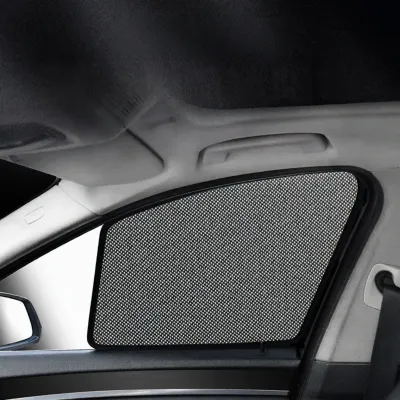
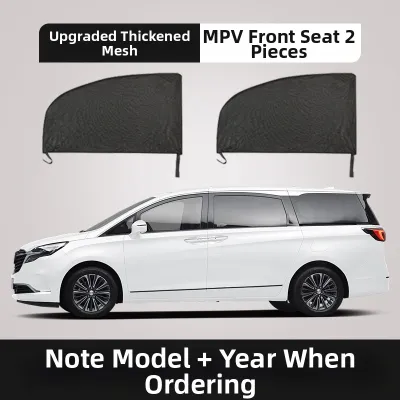
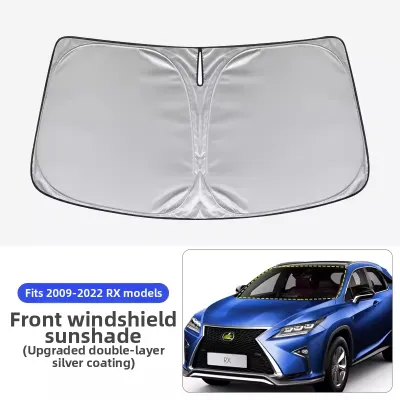
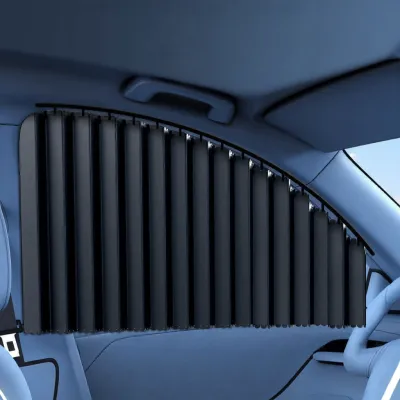
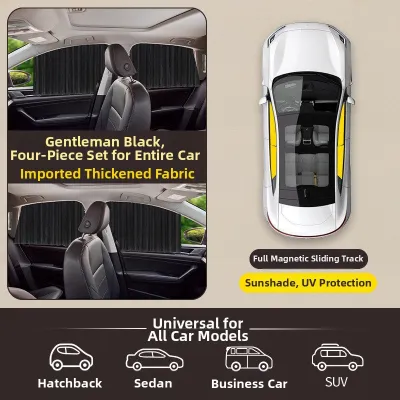
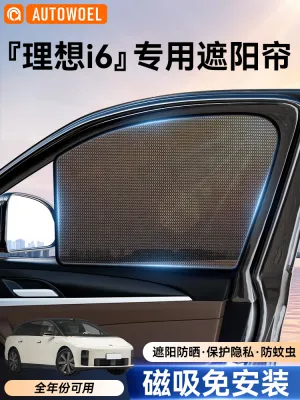
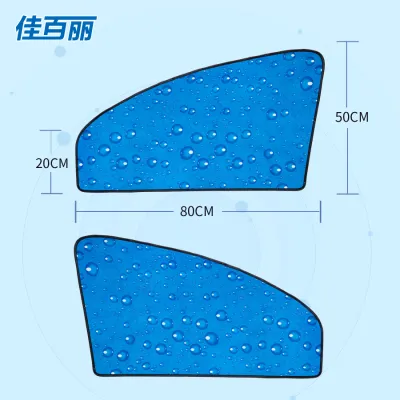
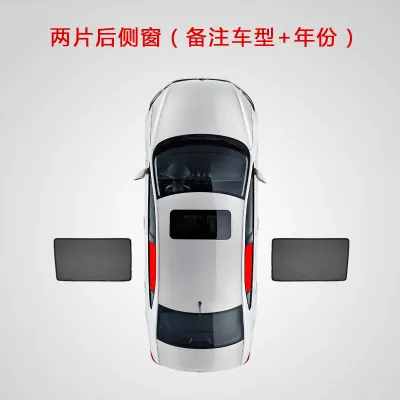
Prices are valid at publication and may change. Please refer to the product page for the latest price.
The window rolling mechanism also dictates where a curtain can safely sit. The glass moves up and down within recessed tracks. If a magnetic curtain overlaps too far into these tracks or sits beneath the bottom weatherstripping where the glass retracts, it can get caught in the window regulator mechanism, potentially damaging the motor or tearing the curtain fabric.
Additionally, pay close attention to the top and side rubber seals. These seals are designed to keep rainwater and wind noise out of the cabin. If your door frame has thick rubber weatherstripping covering the metal, you will need to find the narrow strip of exposed steel behind or adjacent to the rubber where the magnets can actually grip.
It is also important to note if your vehicle has frameless doors, which are common on many coupes, convertibles, and modern electric vehicles. Frameless doors do not have a metal upper frame surrounding the glass when the door is opened. For these vehicles, standard magnetic curtains that attach to an upper door frame cannot be used, and you will need to look for alternative mounting solutions, such as suction cups or clip-on brackets that attach to the window glass or inner door panel.
Step-by-Step Guide to Measuring Your Car Windows
To get an accurate measurement, gather a flexible measuring tape (such as a tailor’s tape) and a notepad. A rigid metal tape measure can scratch your window tint or paint and is difficult to bend along the curved contours of modern car doors. Using a flexible tape allows you to follow the natural curves of the window frame accurately.

Start by measuring the width of the window frame. Because side windows are often trapezoidal or curved, you must measure the width at three distinct points: the very top edge, the middle section, and the bottom edge just above the rubber weatherstripping. Write down all three measurements to map out the taper of the window.
Next, measure the height of the window frame. Just like the width, the height can vary from the front edge near the side mirror to the rear edge near the door pillar. Measure the vertical distance from the top metal frame to the bottom rubber seal at the front, middle, and back of the window.
When recording these dimensions, note the maximum width and height to ensure full coverage, but also pay attention to the minimum dimensions. If you buy a universal curtain based solely on the maximum width, the excess fabric may bunch up or sag at the narrower top edge of a tapered window.
Finally, use a small household magnet to test the entire perimeter of your door frame. Run the magnet along the top and sides of the inner frame where you plan to mount the curtain. If the magnet does not stick to certain sections, those areas are likely made of aluminum, plastic, or carbon fiber, meaning a magnetic curtain will not hold there without alternative mounting clips.
Choosing Between Universal and Custom-Fit Magnetic Curtains
Once you have your measurements, you must decide between universal-fit and custom-fit magnetic curtains. Universal curtains are typically rectangular or slightly tapered and come in standard sizes. They are highly versatile and can be transferred between different vehicles, making them a cost-effective option for many drivers.
However, universal curtains often require some overlap to find a secure magnetic grip on the metal frame. This overlap can result in loose fabric that sags or flutters when the door is opened. If the curtain is too large, the excess material might hang down, interfering with interior door handles or blocking air vents.
Custom-fit magnetic curtains are designed specifically for your vehicle’s exact make, model, and production year. These shades match the precise geometry of your window frame, providing edge-to-edge coverage without any sagging or gaps. They offer a neat, integrated look that maximizes shade coverage and minimizes light leaks.
Regardless of which type you choose, you must verify that the curtain’s magnetic edges are compatible with your door frame’s layout. Some curtains feature sliding magnets that can be repositioned to avoid plastic trim pieces, while others have fixed magnets sewn into the hem.
You must also check the thickness of the curtain material. If the fabric or the pocket holding the magnets is too thick, it can rub against the window glass or get pinched when the door closes. Ensure that the curtain sits flush against the frame and does not put pressure on the window glass as it rolls up and down.
When choosing between materials, consider the balance between sun protection and visibility. Mesh magnetic curtains allow some light and air to pass through, making them suitable for use while driving as long as they do not block your mirrors. Blackout curtains, on the other hand, offer complete privacy and maximum heat rejection but should only be used when the vehicle is parked, as they completely block your view of the road.
Installation Checks and Driving Safety Boundaries
Before driving with magnetic curtains installed, you must perform several safety and operational checks. First, test the window’s full range of motion while the vehicle is stationary. Slowly roll the window all the way down and back up to confirm that the curtain fabric, magnets, and hem do not catch on the glass or get pulled into the door cavity.
Driving safety is paramount, and your physical view must never be compromised. In Singapore, traffic regulations require clear visibility through the front side windows and side mirrors. Ensure that the front side curtains do not block your view of the side rearview mirrors or create dangerous blind spots at junctions. Many front-window magnetic curtains feature a curved or cut-out design specifically to keep the mirror area completely unobstructed.
You must also assess the holding power of the magnets. While parked, the curtains may seem secure, but wind resistance when opening the door or driving with the windows slightly cracked can dislodge weak magnets. If a curtain falls off while you are driving, it can cause a sudden distraction or temporarily block your view.
Finally, inspect how the curtain interacts with your window tinting. If the magnets rub directly against aftermarket tint films applied to the inner glass, they can cause scratches or peeling over time. Always ensure the magnetic border rests entirely on the metal frame and does not press against the tinted glass surface.
Frequently Asked Questions (FAQ)
Can magnetic car curtains be used on cars with tinted windows?
Yes, magnetic car curtains can generally be used on vehicles with tinted windows, provided the magnets attach to the metal door frame and not the glass itself. Because aftermarket window tint film is applied to the inside of the glass, any direct friction from hard magnets or rough fabric can scratch or peel the film. If your window tint was recently installed, wait until the film has fully cured—typically at least one to two weeks—before installing any window accessories. To protect your tint, ensure the curtain is positioned so that the magnets only contact the painted metal frame, and consider using soft felt or adhesive tape barriers over the magnets if they rub against the edge of the glass.
Will the magnets damage my car's window seals or paint?
High-quality magnetic curtains are designed with fabric-wrapped magnets to prevent direct metal-on-paint contact, but risks remain if they are used incorrectly. If a magnet slips outside the window frame and clings to the exterior door panel, road vibrations can cause the magnet to rub against the paint, leading to fine scratches or swirl marks. Always check that the magnets are fully enclosed in their fabric pockets and only attach to the interior metal frame. Additionally, avoid pinching rubber weatherstripping or window seals under the magnets, as constant pressure over time can deform the rubber, leading to wind noise or water leaks during heavy rain.

Community discussion
Share your experience or ask a question. Comments are reviewed before publication.