
To choose the right portable tyre pump, you must match its maximum pressure output and nozzle connector to your vehicle’s recommended PSI (Pounds per Square Inch) and valve type. Most passenger cars require a pressure between 30 and 35 PSI, while bicycles or specialty vehicles may require much higher pressures or different valve connections.
Selecting an incompatible pump can lead to slow inflation times, damaged valve stems, or an inability to inflate your tyres at all. Understanding your vehicle’s specific requirements ensures you purchase a pump that is safe, efficient, and easy to use in an emergency.
Finding Your Vehicle's Correct Tyre Pressure (PSI) Specifications
Many drivers mistakenly look at the tyre sidewall to find the correct inflation pressure. The number molded onto the sidewall is actually the maximum pressure the tyre can safely hold at its maximum load capacity, not the manufacturer’s recommended daily operating pressure.
Products mentioned in this guide
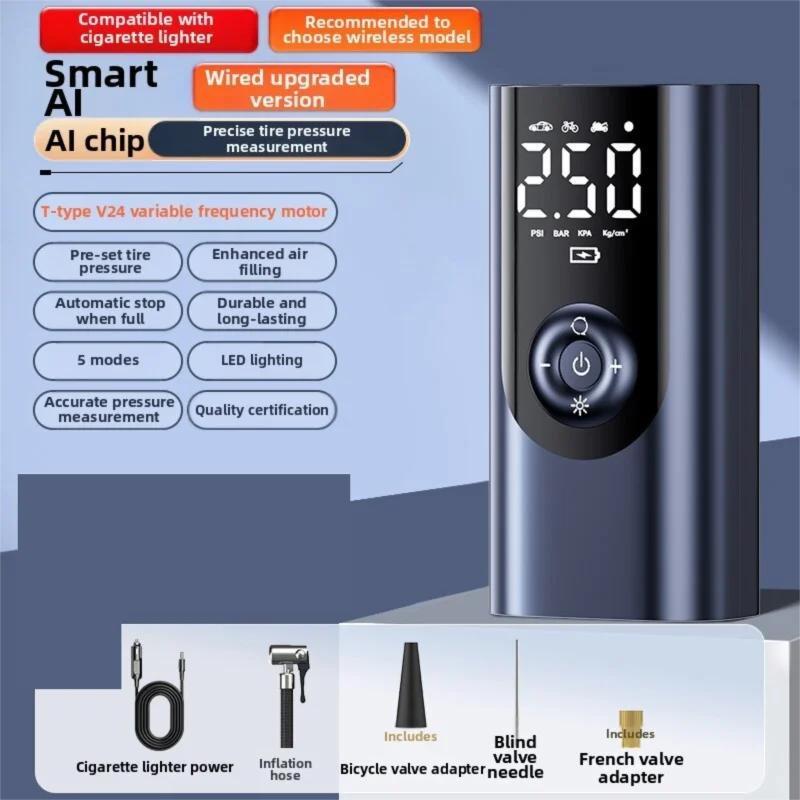
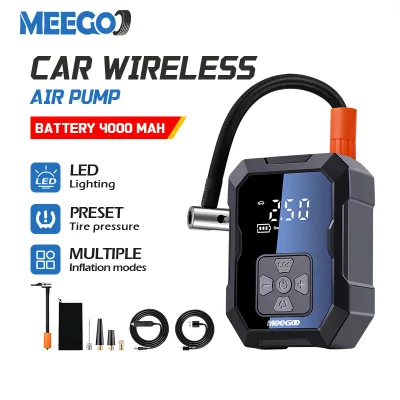
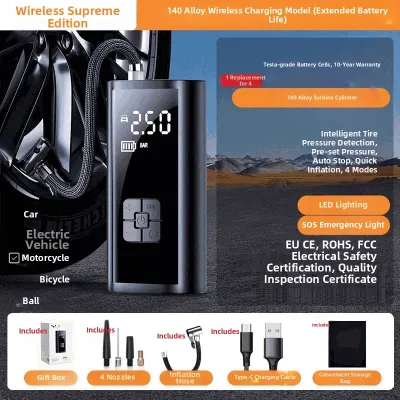
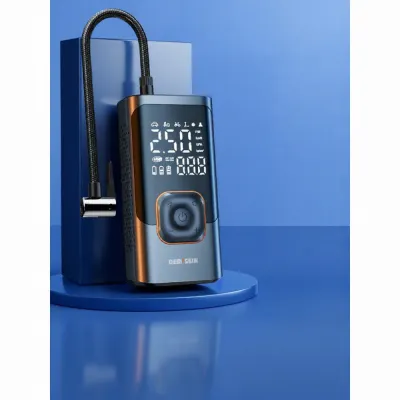
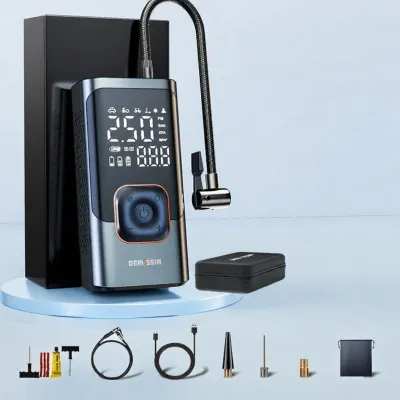
![[SG Stock] Air Pump Car Inflator Compressor Portable Ball Bike Bicycle Rechargeable Basketball Soccer Volleyball Tyre Wheel Tire 12V LED Fast Auto Shut-off Emergency](https://img.lazcdn.com/g/p/cc7d92c566c3860fbbfa1d535cc6f3bb.jpg_400x400q80.jpg_.webp)
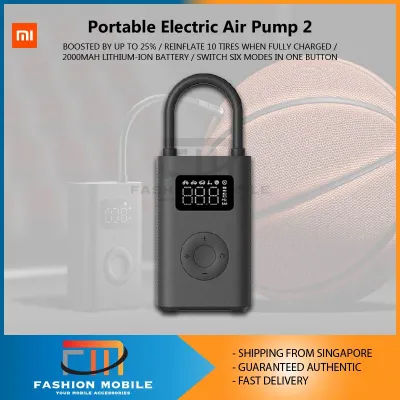
Prices are valid at publication and may change. Please refer to the product page for the latest price.
To find the correct specifications for your vehicle, locate the tyre information placard. This sticker is typically found on the driver’s side door jamb, inside the fuel filler flap, or within the glove compartment.
If the placard is missing or unreadable, consult your vehicle’s owner’s manual. The manual provides the precise cold inflation pressure recommended by the manufacturer for optimal handling, braking, and tyre wear.
Keep in mind that recommended pressures are always specified for cold tyres. Tyres are considered cold when the vehicle has been parked for at least three hours or driven less than two kilometres.
Some manufacturers recommend adjusting tyre pressure when carrying heavy loads or driving at sustained high speeds. Always check your manual for these specific load-based recommendations before embarking on long journeys.
Identifying Your Tyre Valve Type for Pump Compatibility
Before purchasing a portable tyre pump, you must identify the valve stems installed on your wheels. The vast majority of passenger cars, motorcycles, and utility vehicles use the standard Schrader valve.

Schrader valves are wider than other types and feature a threaded outer shell with a spring-loaded check pin in the center. To inflate, the pump nozzle must depress this pin to allow air to enter.
If you plan to use the same pump for road bicycles or high-performance sports equipment, you may encounter Presta valves. These are narrower, feature a built-in lock nut that must be unscrewed before inflation, and require a different nozzle diameter.
Most modern portable tyre pumps come with a multi-valve connector or a set of screw-on adapters. Verify that the pump package includes a secure, threaded, or quick-release chuck that matches your specific valve type to prevent air leaks during operation.
Key Portable Tyre Pump Specs to Match Your Needs
When comparing portable tyre pumps, look closely at the maximum pressure rating. While a pump rated for 120 PSI can easily handle a 32 PSI car tyre, a pump designed only for low-pressure inflatables will fail to inflate a vehicle tyre.
Airflow rate, often measured in litres per minute, determines how quickly the pump can fill your tyre. A higher airflow rate reduces inflation time, which is especially valuable when standing on a busy roadside or in a warm multi-story carpark.
Pay attention to the pump’s duty cycle, which is the amount of time it can run continuously before needing to cool down. Small, compact pumps often have a duty cycle of 10 to 15 minutes, requiring a rest period to prevent motor damage.
Choose between a 12V DC pump that plugs into your vehicle’s accessory socket and a cordless battery-powered model. Cordless pumps offer excellent portability but require regular charging, while 12V models provide unlimited runtime as long as your vehicle’s battery is functioning.
Ensure the pump features an accurate, easy-to-read digital display or physical pressure gauge. Models with an automatic shut-off feature are highly recommended, as they stop inflating once the pre-set target PSI is reached, preventing accidental over-inflation.
Step-by-Step: Checking and Inflating Your Tyres Safely
Always check your tyre pressure when the tyres are cold to ensure an accurate reading. Driving heats up the air inside the tyres, causing the pressure to rise temporarily and leading to under-inflation if adjusted while hot.
Park your vehicle on a flat, level surface, engage the parking brake, and turn off the engine. Remove the valve dust cap from the tyre you wish to check and store it in a secure place.
Attach the portable tyre pump’s nozzle securely to the valve stem. If using a quick-release lever, press it down firmly; if using a screw-on chuck, thread it clockwise until you hear a brief hiss of air stop, indicating a tight seal.
Turn on the pump to read the current pressure. If your pump has a digital interface, set your target PSI according to your vehicle’s placard, then start the inflation process.
Monitor the pump closely during operation and never leave it unattended. If the pump body or hose becomes excessively hot to the touch, switch it off immediately and allow it to cool for at least ten minutes before resuming.
Once the target pressure is reached, switch off the pump and carefully disconnect the nozzle. Reinstall the valve dust cap tightly to protect the valve core from dirt, moisture, and road debris.
If you suspect the pump’s built-in gauge is inaccurate, verify the final pressure using a high-quality, standalone pencil or digital tyre pressure gauge.
Frequently Asked Questions (FAQ)
Can I use a portable tyre pump to inflate a completely flat tyre?
Portable tyre pumps are primarily designed for topping up low tyres and maintaining correct pressure. While they can inflate a completely flat tyre in an emergency, doing so takes significantly longer and risks overheating the pump’s small motor.
If a tyre is completely flat because it has slipped off the wheel rim, a portable pump cannot generate the high volume of air required to reseat the tyre bead. In such cases, or if you suspect structural tyre damage, you should call for professional roadside assistance rather than attempting to inflate it.
How often should I check my tyre pressure with a portable pump?
It is highly recommended to check your tyre pressure at least once a month and always before embarking on long road trips. Regular checks help identify slow punctures or natural pressure loss before they affect vehicle safety.
Tyre pressure fluctuates with changes in ambient temperature, typically dropping during cooler periods and rising in hot weather. In tropical climates, consistent heat means tyres maintain high operating temperatures, making regular cold checks essential.
Do not forget to check your spare tyre during your monthly routine. A portable tyre pump is only useful in an emergency if your spare tyre is also inflated to the manufacturer’s specified pressure.

Community discussion
Share your experience or ask a question. Comments are reviewed before publication.