
To find a tyre pressure pump that matches your vehicle’s requirements, you must align the pump’s working pressure, airflow rate, and duty cycle with your tyres’ recommended cold inflation pressure and total air volume. Choosing the wrong specifications can lead to blown vehicle fuses, overheated pump motors, or excessively long inflation times. By understanding your vehicle’s specific tyre dimensions and power limitations, you can select an inflation tool that is both safe and efficient.
Locating Your Vehicle's Official Tyre Pressure Specifications
Before evaluating any tyre pressure pump, you must identify your vehicle’s exact inflation requirements. This information is typically found on the official tyre placard, located on the driver’s side door jamb, inside the fuel filler flap, or within the owner’s manual. This placard lists the manufacturer-recommended cold inflation pressure for your tyres.
Do not confuse this recommended cold inflation pressure with the maximum pressure molded onto the tyre’s sidewall, which represents the absolute limit the tyre can safely hold under maximum load. Inflating your tyres to this maximum limit compromises handling and accelerates tread wear.
Products mentioned in this guide
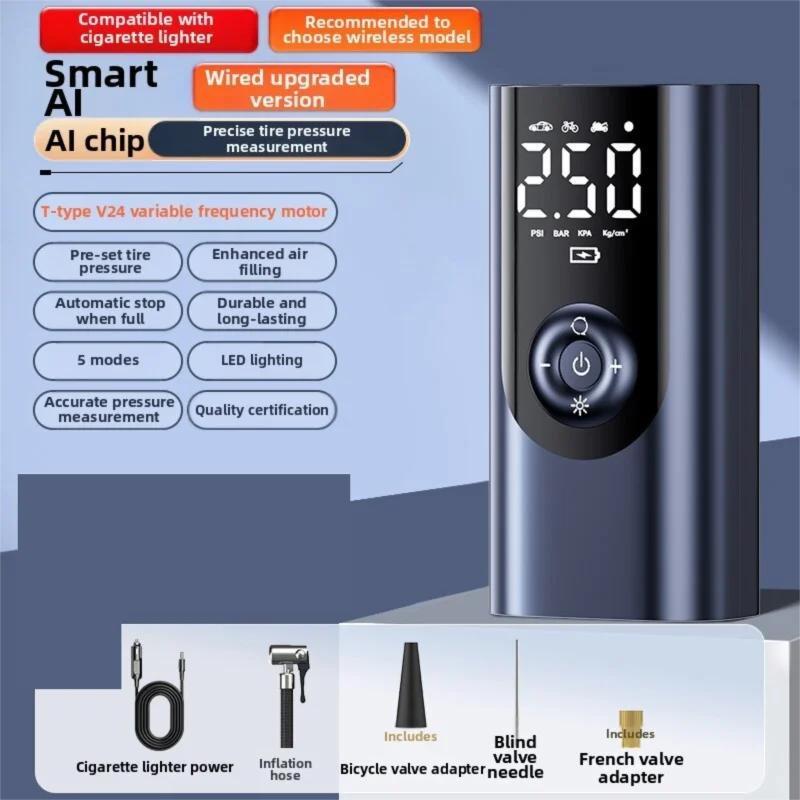
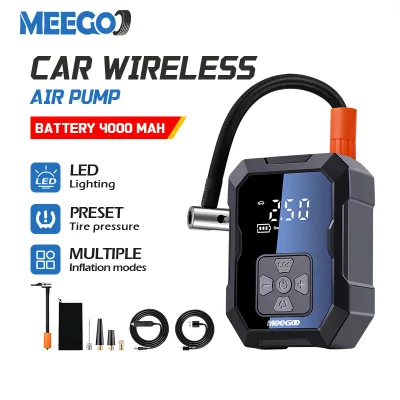
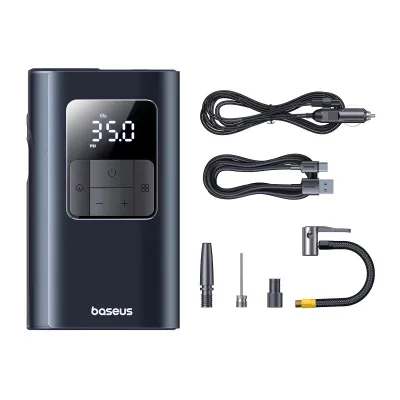
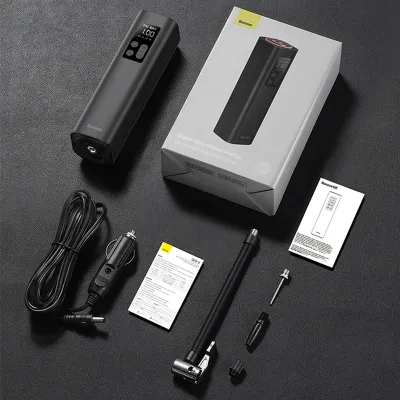
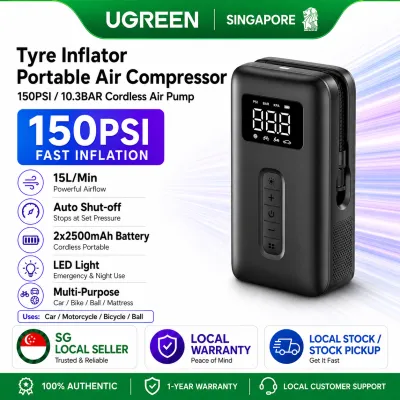
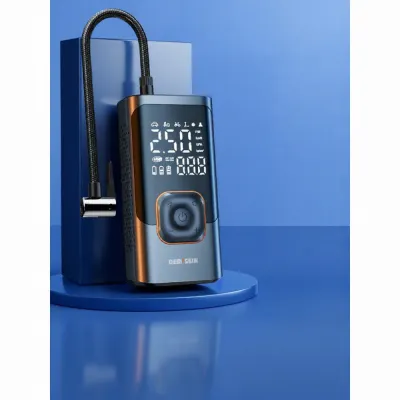
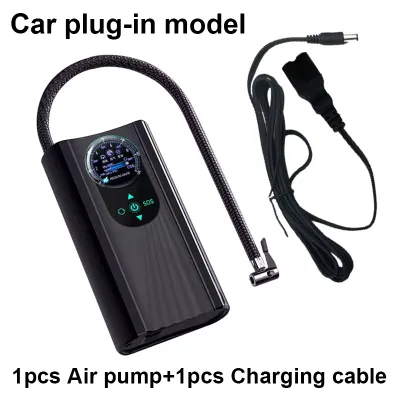
![[SG Stock] Air Pump Car Inflator Compressor Portable Ball Bike Bicycle Rechargeable Basketball Soccer Volleyball Tyre Wheel Tire 12V LED Fast Auto Shut-off Emergency](https://img.lazcdn.com/g/p/cc7d92c566c3860fbbfa1d535cc6f3bb.jpg_400x400q80.jpg_.webp)
Prices are valid at publication and may change. Please refer to the product page for the latest price.
Additionally, consider your tyre’s physical volume, determined by its width, aspect ratio, and rim diameter. Larger tyres contain a much greater volume of air than smaller passenger car tyres. While both might require a similar target pressure, the larger tyre requires a pump with a higher airflow rate to complete inflation in a reasonable timeframe.
Decoding Key Tyre Pressure Pump Specifications
When shopping for a tyre pressure pump, understanding technical specifications prevents purchasing an inadequate tool. The most common point of confusion is the difference between maximum PSI and working PSI. A pump’s maximum PSI rating indicates the absolute peak pressure the unit can generate momentarily, whereas the working PSI represents the pressure it can consistently maintain during active inflation. For standard passenger vehicles, focus on the continuous working pressure rather than peak ratings.

Airflow rate, typically measured in litres per minute (L/min) or cubic feet per minute (CFM), dictates inflation speed. A higher airflow rate means the pump fills a tyre’s volume much faster. If a pump has a very low airflow rate, inflating a large tyre from flat can take an inconveniently long time, regardless of its maximum pressure rating.
Another critical specification is the duty cycle, which is the continuous run-time limit before the pump must cool down. Duty cycles are usually expressed as a run-time limit, such as ten minutes of continuous use followed by ten minutes of rest. Exceeding this limit can cause the motor to overheat, leading to permanent internal damage.
Matching Pump Capacity to Your Vehicle Type
Matching pump capacity to your specific vehicle type ensures efficient operation without overworking the equipment. Compact cars and standard sedans typically have smaller tyre volumes and standard pressure requirements. For these vehicles, a compact portable pump with a moderate airflow rate is sufficient for routine top-ups and emergency roadside use.
In contrast, SUVs, 4x4s, and light trucks feature much larger tyre volumes that demand higher airflow rates and sustained duty cycles. Using a small, low-output pump on a large off-road tyre can easily exceed the pump’s duty cycle, causing it to overheat. Owners of larger vehicles should look for heavy-duty portable compressors designed for high-volume inflation.
When deciding on a pump, evaluate whether a single portable 12V unit is sufficient or if a heavier-duty garage compressor is necessary. If you manage multiple vehicles or frequently inflate tyres from completely flat, a larger garage-based compressor powered by mains electricity offers the sustained performance and rapid inflation times you require.
Power Sources and Valve Connector Compatibility
A pump’s power source must be compatible with your vehicle’s electrical system to ensure safe operation. Many portable pumps plug directly into the vehicle’s 12V DC accessory socket. Before using this type of pump, check your vehicle’s owner’s manual to verify the fuse rating of the accessory socket, as high-draw compressors can easily draw more current than the circuit is designed to handle, resulting in a blown fuse.
For heavy-duty compressors that draw higher currents, models equipped with direct battery clamps are preferred. These clamps attach directly to the vehicle’s battery terminals, bypassing the interior wiring and accessory fuses entirely. This direct connection ensures the pump receives stable, high-amperage power without risking damage to the vehicle’s internal electrical components.
Physical compatibility with your tyre valves is equally important. Most passenger vehicles use standard Schrader valves, which are compatible with almost all standard tyre pumps. However, if you also plan to inflate bicycle tyres, you may encounter Presta valves, which require a specialized adapter. Ensure the pump you select includes the correct chuck or a comprehensive adapter kit to match all the valve types you intend to service.
Safety Boundaries and Operational Limits
Operating a tyre pressure pump safely requires vigilance and adherence to physical limits. During extended use, always monitor the pump housing and power cable for excessive heat. Portable compressors can become extremely hot to the touch during operation, and allowing them to run hot for too long can melt internal seals or damage the power cord. If the unit feels excessively hot, switch it off immediately and allow it to cool completely.
Never rely solely on the pump’s built-in pressure dial or digital display for final safety checks. Built-in gauges can be inaccurate due to vibration, calibration drift, or pressure fluctuations during active pumping. Always verify the final tyre pressure using a separate, calibrated external tyre pressure gauge while the pump is turned off to ensure an accurate reading.
Establish clear stop conditions to prevent equipment damage or personal injury. If you hear unusual hissing sounds, notice damage to the tyre’s valve stem, or hear the pump motor struggling and stalling, halt the inflation process immediately. In these situations, do not attempt to force inflation; instead, consult a qualified automotive professional to inspect the tyre and valve assembly for underlying damage.
Frequently Asked Questions (FAQ)
Can I use a standard car tyre pressure pump for bicycle or motorcycle tyres?
Yes, you can generally use a standard car tyre pump for these tyres, provided you verify the pump’s minimum and maximum pressure capabilities. Motorcycle tyres use the same Schrader valves as cars, but bicycle tyres often use Presta valves, which require a specific adapter. Always monitor the pressure closely, as smaller tyre volumes inflate much faster than car tyres, increasing the risk of accidental over-inflation.
Does a higher maximum PSI rating mean the pump will inflate my tyres faster?
No, a higher maximum PSI rating does not equate to faster inflation. The maximum PSI only indicates the highest pressure ceiling the pump can achieve, whereas the inflation speed is determined by the airflow volume (measured in L/min or CFM). A pump with a high PSI rating but a low airflow rate will take significantly longer to inflate a large tyre than a pump with a lower PSI rating but a higher airflow volume.

Community discussion
Share your experience or ask a question. Comments are reviewed before publication.