
Selecting the right microfiber cloth for your car detailing routine is the single most effective way to prevent paint damage. Using a single, generic cloth for every step of the process often leads to fine scratches, swirl marks, and poor product application. To achieve a flawless finish, you must match the specific weave, pile height, and weight of the microfiber to the task at hand—whether you are lifting heavy road grime, absorbing gallons of rinse water, or buffing away a delicate wax.
Understanding Microfiber Weaves and Paint Safety
Microfiber is not a single material but a blend of polyester and polyamide fibers split to create microscopic channels. These channels physically lift and trap moisture, dust, and debris rather than pushing them across the surface. The way these fibers are woven determines how the cloth behaves on your vehicle’s clear coat.
Waffle weave cloths feature a distinct, indented square pattern that resembles a kitchen waffle. This structure minimizes surface contact while creating pockets that channel water away, making them highly efficient for glass cleaning and light drying. Plush cloths, on the other hand, feature long, open-ended fibers with a high pile. This fluffy texture provides ample space for dirt particles to sink deep into the cloth, keeping them away from the paint. Twisted loop towels use long fibers twisted into tight, dense bundles, which dramatically increases surface area and capillary action for maximum water absorption.
Products mentioned in this guide
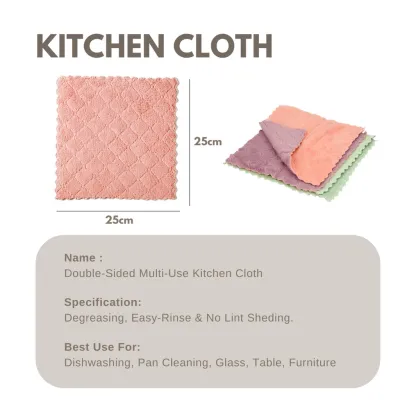
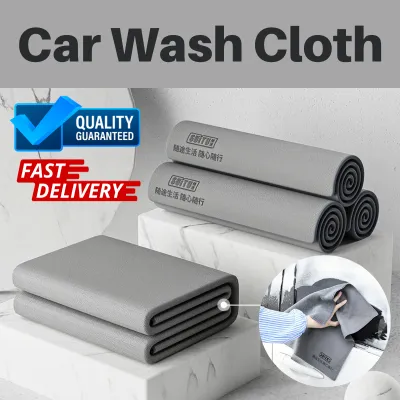
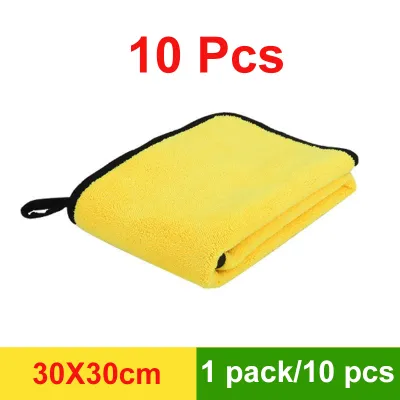
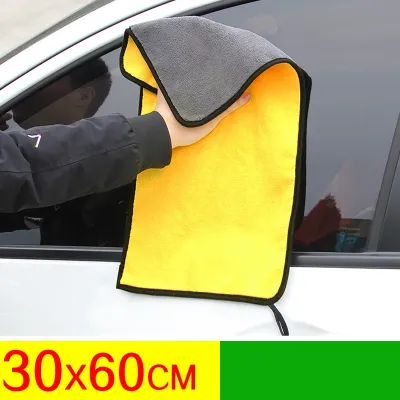
![[Sweet Home] Multi-purpose Microfiber Wash Cleaning Cloth Kitchen Dish Clean Coral Fleece Washing Towel Strong Oil Resistance](https://img.lazcdn.com/g/p/46b1ce24d7a9f6a8d43f5340dc2146dd.jpg_400x400q80.jpg_.webp)
Prices are valid at publication and may change. Please refer to the product page for the latest price.
Before letting any microfiber touch your vehicle, perform a quick safety check. Feel the edges of the cloth; hard polyester stitching or heat-cut edges can easily scratch soft clear coats. Look for edgeless designs or those finished with soft satin borders. Additionally, check the manufacturer’s label for the blend ratio, typically 70/30 or 80/20 polyester to polyamide, as a higher polyamide content generally indicates a softer, more absorbent towel.
Selecting a Wash Cloth for the Contact Wash
The contact wash is the stage where your paint is at the highest risk of scratching. As you wipe the wash solution across the panels, any dirt, grit, or road dust left behind by the pre-wash can act like sandpaper if it is pressed against the clear coat. This is why a standard flat-weave cloth is highly unsuitable for washing.

For a safe contact wash, choose a deep-pile plush microfiber cloth or a dedicated microfiber wash mitt. The long, loose fibers of a plush weave act like tiny fingers, reaching into the dirt, lifting it off the paint, and drawing it deep into the backing material. This suspension mechanism ensures that the abrasive particles do not remain on the surface of the cloth where they could drag against the paint.
When evaluating a wash cloth, look for a high weight rating, measured in grams per square meter (GSM). A GSM of 400 to 600 is generally ideal for washing, providing a thick, soft cushion that holds plenty of soapy water. To maintain safety throughout the wash, use the multiple-cloth method or a two-bucket system with grit guards. If you are detailing in Singapore’s tropical climate, where dust and road grime accumulate quickly, switching to a fresh, clean cloth for every few panels prevents the accumulation of trapped grit from scratching subsequent areas.
Choosing an Absorbent Cloth for Drying
Drying your vehicle quickly is essential to prevent unsightly water spots, especially in regions with hard water or high ambient temperatures where water evaporates rapidly. However, dragging a saturated, heavy towel across the paint can introduce fine scratches. The goal is to lift water off the surface with minimal friction.
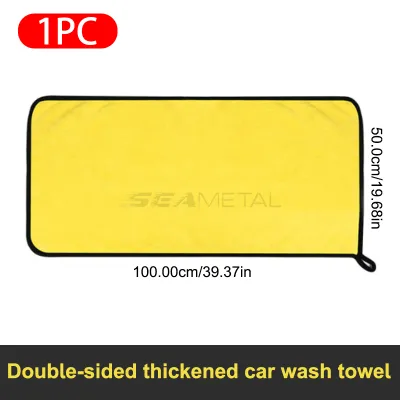
Twisted loop towels are the modern standard for efficient drying. The unique twisted structure allows the fibers to absorb several times their weight in water without becoming heavy or abrasive. Alternatively, waffle weave towels offer excellent water management for glass and trim, as their low-profile design prevents linting and streaks. Standard plush towels are less effective for drying because they tend to push water around once their fibers become saturated, leading to streaks and prolonged drying times.
To dry your vehicle safely, adapt your technique to the cloth type. For large, flat panels like the hood and roof, lay a large twisted loop drying towel flat across the surface and gently pull it toward you by its corners. For vertical panels, gently pat the surface dry rather than scrubbing. This minimizes lateral friction and ensures that any missed dirt particles are not dragged across the clear coat.
Picking a Low-Lint Cloth for Polishing and Buffing
Polishing, waxing, and applying sealants require a cloth that can level chemical residues and buff the surface to a high gloss. For these tasks, you need a cloth that offers a balance of softness and slight surface bite, without leaving behind annoying lint fibers.
A low-pile or closed-loop microfiber cloth, typically with a GSM of 300 to 350, is the preferred choice for buffing. The shorter fibers provide the necessary resistance to break down and remove wax or polish film without absorbing too much of the protective product. Waffle weave cloths can also be used for removing glass polishes, as their structure prevents the cloth from binding or dragging on clean glass.
When selecting a buffing cloth, prioritize edgeless designs. Ultrasonic-cut edges eliminate the risk of hard seams scratching the freshly polished paint. Always ensure the cloth is completely clean, dry, and free of any dried product residue from previous detailing sessions. Even a tiny speck of dried wax from a past job can act as an abrasive, ruining hours of polishing work.
Washing and Storing Microfiber to Prevent Scratches
The longevity and safety of your microfiber collection depend entirely on how you launder and store them. Microfiber is highly durable, but improper washing can melt the delicate synthetic fibers, render them non-absorbent, or clog them with contaminants.
Start by separating your cloths by their detailing task before washing. Never wash a greasy wheel cloth or a wax-caked buffing towel with your pristine drying towels. Doing so leads to cross-contamination, as oils and wax residues can transfer to the drying fibers, reducing their absorbency and leaving streaks on your paint during the next use.
Wash your microfiber using a dedicated microfiber restorer or a mild liquid detergent that is free of perfumes, dyes, and fabric softeners. Fabric softeners work by coating fibers with a thin layer of lubricating chemicals, which completely clogs the microscopic channels in microfiber and ruins its absorbency. Avoid bleach, as it weakens the synthetic fibers over time. Always wash on a cold or warm cycle, and dry on low heat or air-dry. High heat from a dryer can melt the polyester and polyamide tips, turning a soft towel into a scratchy, paint-damaging rag. Store your clean towels in closed plastic bins to protect them from airborne dust and garage grime.
Frequently Asked Questions (FAQ)
Can I use the same microfiber cloth for washing, drying, and polishing?
Using a single cloth for all three stages is highly discouraged due to the risk of cross-contamination and paint damage. A cloth used for washing accumulates abrasive road grit that may not fully release during a quick rinse, which will then scratch your paint during drying or polishing. Furthermore, drying towels need to remain free of wax residues to absorb water effectively, while polishing cloths require specific low-pile structures that are inefficient for washing or drying.
How do I know when a microfiber wash cloth needs to be replaced?
You should replace a microfiber cloth when it exhibits physical signs of degradation that compromise paint safety. Inspect your cloths regularly for stiff or crunchy fibers, which indicate heat damage or clogged pores. If a towel loses its absorbency, retains a sour odor even after washing, or has embedded debris like twigs, seeds, or metal shavings that cannot be removed, demote it to dirty tasks like cleaning engine bays, wheels, or door jambs.

Community discussion
Share your experience or ask a question. Comments are reviewed before publication.