
Selecting the right interior car cleaner requires matching the chemical formulation of the product to the specific materials inside your vehicle. Modern car cabins feature a complex mix of genuine leather, synthetic vinyl, delicate fabrics, soft-touch plastics, and high-gloss trims. Using an incorrect cleaner can lead to permanent discoloration, cracking, or stripped protective coatings. By identifying your cabin’s materials and verifying product labels for pH levels and surface compatibility, you can safely maintain your vehicle’s interior without causing accidental damage.
Identify Your Car's Interior Surface Materials
To choose the correct cleaning product, you must first determine exactly what materials cover your cabin surfaces. Modern automotive interiors often blend natural and synthetic elements that look similar but react differently to chemical agents.
Distinguishing genuine leather from synthetic or vegan alternatives is a critical first step. Genuine leather typically has an irregular grain pattern, feels warm to the touch, and possesses a distinct natural scent. Synthetic leather, such as polyurethane or vinyl-based materials, often exhibits a highly uniform texture pattern and may feel slightly cooler or more plastic-like under your fingertips.
Products mentioned in this guide
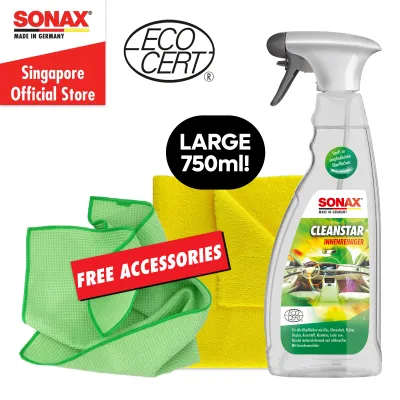

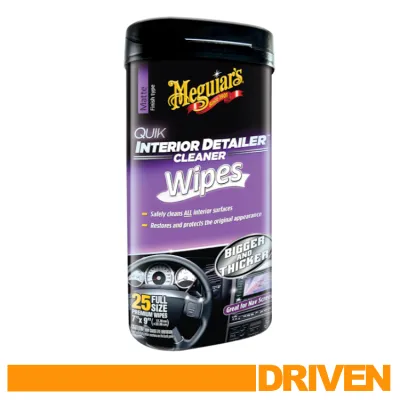
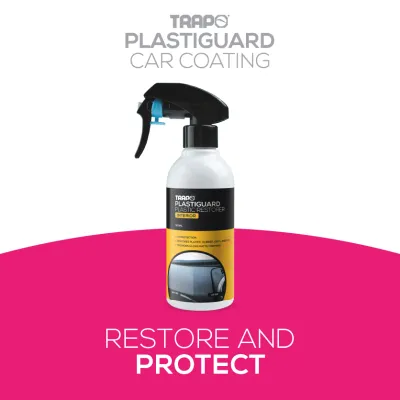
Prices are valid at publication and may change. Please refer to the product page for the latest price.
Fabric upholstery also requires careful inspection. Examine the weave of your cloth seats to determine if they are tightly woven synthetics or looser textured blends. Many modern vehicles come with factory-applied stain guards, which can be sensitive to aggressive chemical extraction. You can test for an active stain guard by placing a tiny drop of water on the fabric; if it beads up instead of soaking in, a protective coating is present.
For hard surfaces, differentiate between soft-touch plastics, rigid vinyl, and decorative trims. Soft-touch plastics on dashboards feel slightly cushioned, whereas hard vinyl panels on lower doors are rigid and highly durable. Decorative accents might look like real wood or metal but are often clear-coated plastics, painted trims, or delicate piano-black finishes that scratch easily.
Before purchasing any product, consult your vehicle owner’s manual. The manual often lists specific material codes, highlights sensitive areas like touchscreens, and outlines manufacturer-approved cleaning methods or restrictions.
Match Cleaner Formulations to Specific Surfaces
Leather and Synthetic Leather Seats
Genuine leather requires gentle, pH-balanced formulations to preserve its natural oils. Harsh degreasers or highly alkaline cleaners strip these essential oils, leading to premature drying, hardening, and eventual cracking of the hide.

When shopping for leather care, look for labels that explicitly state “leather-safe,” “pH-balanced,” or “conditioner-infused.” These products clean away surface oils and sweat without disturbing the delicate pH balance of the tanned hide.
Synthetic and vegan leathers feature polyurethane or vinyl topcoats that require different care. Avoid solvent-based cleaners or highly alkaline products, as these chemicals can degrade the synthetic topcoat, causing it to peel, bubble, or lose its original texture.
Fabric and Carpet Upholstery
Cloth seats, carpets, and headliners demand cleaners that lift embedded dirt without saturating the underlying cushions. For light surface stains, foaming aerosol cleaners are highly effective because they cling to the fibers and lift dirt to the surface for easy wiping.
For deep-set dirt and mud in floor carpets, liquid extraction cleaners are highly effective. However, always check the product label to ensure the formula is compatible with factory-applied stain guards, as some harsh surfactants can strip these protective barriers away.
Special care must be taken with the vehicle’s headliner. Over-wetting a headliner can dissolve the delicate adhesives holding the fabric to the backing board, causing the fabric to sag. Choose low-moisture, fast-drying foam formulas specifically designed for delicate fabrics when cleaning overhead areas.
Hard Plastics, Vinyl, and Dashboard
The dashboard and door panels are constantly exposed to sunlight and heat, making them vulnerable to fading and cracking. Avoid ammonia-based cleaners or heavy silicone dressings on these surfaces. Ammonia can dry out vinyl over time, while heavy silicones create a greasy, reflective film that causes dangerous windshield glare under direct sunlight.
Instead, select non-greasy, UV-protective cleaners that leave a clean matte or natural satin finish. These formulas clean away dust and fingerprints while depositing UV blockers to shield the plastic from sun damage.
Additionally, look for products with anti-static properties. Anti-static agents help neutralize the static charge on plastic surfaces, significantly reducing dust accumulation on your center console and dashboard between cleanings.
Wood Trim and Glossy Accents
Delicate decorative trims, such as real wood veneers, faux wood, and glossy piano-black plastics, are highly susceptible to scratching and clouding. Heavy interior degreasers and alkaline cleaners can chemically etch these clear-coated surfaces, leaving a dull, hazy finish.
For these sensitive areas, use dedicated mild detailers or spray waxes instead of general interior cleaners. Always avoid abrasive cloths, which can leave fine swirl marks on glossy plastics.
When selecting a product for these areas, verify that the label explicitly states it is safe for clear plastics, acrylics, or high-gloss trims. This ensures the chemical formulation will not react with the clear protective topcoat.
How to Read Cleaner Labels and Safety Indicators
Navigating the car care aisle requires looking past marketing claims and focusing on chemical specifications. Understanding these details prevents you from accidentally applying a damaging chemical to a sensitive surface.
Pay close attention to pH claims on product packaging. A “pH-neutral” designation indicates the cleaner is balanced and safe for delicate surfaces like leather, soft-touch plastics, and clear coats. Conversely, highly alkaline degreasers are formulated to break down heavy grease and mud on durable plastics or carpets, but they can easily damage sensitive materials if left undiluted.
Look for explicit compatibility statements on the label, such as “safe for genuine leather” or “safe for vinyl.” Avoid relying on vague “all-purpose” marketing claims, as these products may still be too aggressive for delicate screens or natural hides unless diluted precisely according to the manufacturer’s instructions.
Modern vehicle cabins feature sensitive electronics, touchscreens, and aftermarket window tints that require specialized care. Check the product label for hazard symbols or warning text warning against use on anti-glare displays or tinted glass. Many standard glass cleaners contain ammonia, which can peel aftermarket tint films and damage the delicate coatings on navigation screens.
Finally, verify whether the cleaner is a ready-to-use (RTU) spray or a concentrated solution. Concentrates must be diluted with water according to strict ratios specified on the label. Using an undiluted concentrate can cause immediate chemical burns or discoloration on your vehicle’s interior surfaces.
Step-by-Step Application and Spot Testing
Before applying any new cleaner to your vehicle’s interior, establish a safe testing protocol to prevent widespread, irreversible damage.
Always begin by selecting an inconspicuous, hidden area for a spot test. Suitable locations include the lower rear portion of a seat, the underside of a headrest, or a low-lying plastic panel under the dashboard.
Apply a small amount of the cleaner to this hidden spot and let it dry completely. Once dry, inspect the area under good lighting for any signs of color transfer onto your cloth, changes in texture, loss of gloss, or unusual chemical reactions. If you notice any adverse changes, stop using the product immediately.
When applying the cleaner to the rest of the cabin, never spray the product directly onto the surfaces, especially near electronics, buttons, or perforated leather. Spraying directly can cause liquid to seep into electrical contacts or pool inside leather perforations, leading to short circuits or mold growth. Instead, spray the cleaner onto a clean microfiber towel and gently wipe the surface.
If you encounter an unidentified material or if a product causes an unexpected reaction during your spot test, stop immediately. Consult your vehicle manufacturer’s documentation or contact a qualified professional detailer to identify the material and recommend a safe cleaning method.
Frequently Asked Questions (FAQ)
Can I use a single all-purpose cleaner for every interior surface?
Using a single all-purpose cleaner for every surface is generally not recommended because different materials have conflicting chemical needs. A formulation strong enough to cut through grease on plastic door sills is often too alkaline for genuine leather, which can cause the leather to dry out and crack over time. Additionally, multi-surface cleaners can leave a cloudy residue on glossy trims or damage the delicate anti-glare coatings on touchscreens.
What should I do if a cleaner leaves a white residue on plastic trim?
A white residue usually occurs when a product dries too quickly, is applied in direct sunlight, or is mixed at an incorrect dilution ratio. To safely remove the residue, lightly mist a clean microfiber towel with water or a mild, pH-neutral interior detailer and gently wipe the area. Avoid aggressive scrubbing, which can scratch or discolor the plastic. If the residue persists, check the product label for specific removal instructions or consult a professional.

Community discussion
Share your experience or ask a question. Comments are reviewed before publication.