
Sustaining the delicate scent of a premium car diffuser in a tropical climate requires a deliberate approach to managing your vehicle’s interior environment. In regions characterized by high ambient temperatures and intense sunlight, such as Singapore, the rate of fragrance evaporation accelerates dramatically. When a vehicle is parked under the sun, cabin temperatures can quickly rise to levels that compromise both the longevity of the scent cartridge and the physical integrity of the diffuser housing.
By strategically positioning the diffuser, adjusting your vehicle’s climate control habits, and managing physical airflow, you can significantly extend the lifespan of your scent cartridge. Taking these active steps not only preserves the subtle notes of your chosen fragrance but also protects your car’s interior surfaces from heat-induced damage and oil leakage. Implementing a few practical adjustments to your daily driving routine will ensure you get the maximum value and enjoyment from your luxury automotive accessory.
Strategic Placement to Minimize Direct Heat
The physical location of your car diffuser plays a critical role in how quickly the fragrance oil dissipates. Many drivers instinctively clip diffusers to the most prominent center vents directly below the windshield. However, this zone is highly susceptible to the greenhouse effect, where solar radiation passes through the glass and intensifies heat on the upper dashboard. Placing a diffuser in direct sunlight raises the temperature of the cartridge, causing the volatile fragrance compounds to vaporize at an unsustainable rate.
Products mentioned in this guide


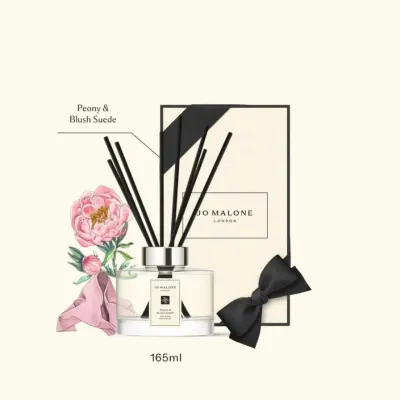
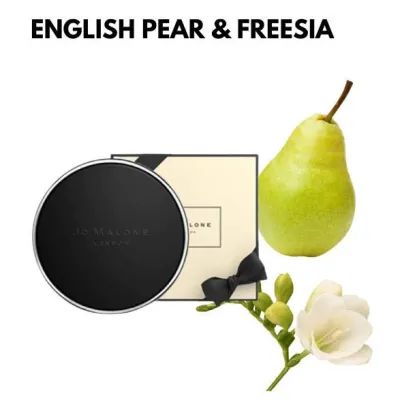
Prices are valid at publication and may change. Please refer to the product page for the latest price.
To mitigate this rapid evaporation, opt for lower or shaded air vents. Vents positioned lower on the center console or those shaded by the dashboard overhang are ideal alternatives. These locations receive significantly less direct solar radiation, keeping the diffuser housing cooler even during midday drives. Additionally, lower placement allows the rising scent molecules to disperse more evenly throughout the cabin, rather than being immediately swept upward and out of open windows.
It is also essential to identify and avoid secondary heat sources within the cabin. Modern vehicles are equipped with large infotainment screens, digital instrument clusters, and center console electronics that generate substantial heat during operation. Mounting a diffuser too close to these electronic components or directly above a heat-radiating transmission tunnel can warm the fragrance oil from behind. Before choosing a mounting point, feel the surrounding trim after a long drive to ensure the area remains cool to the touch.
Managing Airflow and Cabin Temperature
Controlling the volume and temperature of the air passing through your vehicle’s ventilation system is key to regulating fragrance release. When you first enter a hot car, the temptation is to run the air conditioning at maximum fan speed. While this cools the cabin quickly, the high-velocity blast of air passing directly over the diffuser pad strips away the fragrance molecules rapidly. To prevent this, direct the air conditioning flow away from the diffuser vent during the initial cooling phase, or temporarily close that specific vent.

Using your vehicle’s air recirculation mode is highly beneficial for maintaining a stable cabin temperature. Recirculation mode cools the existing cabin air rather than continuously pulling in hot, humid air from the outside. This reduces the workload on your air conditioning system and helps maintain a consistent, cool baseline temperature. A cooler cabin environment naturally lowers the vapor pressure of the fragrance oil, slowing down the passive evaporation process when the vehicle is in motion.
Most automotive air vents feature a manual dial or slider that allows you to restrict airflow to that specific outlet. You can use this control to partially close the vent holding your diffuser. By restricting the volume of air passing through the cartridge, you create a slower, more controlled release of scent. This adjustment allows you to enjoy a subtle background aroma without exhausting the cartridge prematurely through constant exposure to high-volume airflow.
Adjusting the Diffuser Mechanism for Slower Release
Managing the physical exposure of the fragrance medium to the air is another effective way to prolong its life. If the specific design of your scent cartridge features a peel-off protective seal or backing, consider exposing it gradually. Rather than removing the entire seal at once, peel back only a small portion or puncture the backing selectively if the design permits. This simple modification limits the surface area of the oil exposed to the atmosphere, restricting the evaporation rate from day one.
Aerodynamic adjustments can also make a noticeable difference in how fast the scent is depleted. Instead of clipping the diffuser so that it faces the oncoming airflow flat-on, try tilting or angling the vent clip. By positioning the face of the diffuser at an angle, you reduce the direct wind pressure on the fragrance surface. The air will glide over the housing rather than forcing its way directly through the scent-infused medium, resulting in a more gradual and consistent scent dispersion.
If you use a system that relies on manual oil application to a reusable pad, always adhere strictly to the manufacturer’s instructions regarding saturation limits. Over-saturating a replacement pad does not make the scent last longer; instead, it leads to pooling, rapid initial evaporation, and an overwhelming scent profile that quickly fades. Keep the oil application within the visible fill lines to ensure the medium can hold the liquid securely without dripping or evaporating prematurely under tropical heat.
Protecting Your Car Interior from Fragrance Spills
Concentrated fragrance oils are highly potent chemical mixtures that can act as mild solvents when they come into contact with automotive materials. In a tropical climate, high temperatures cause liquids to expand and reduce in viscosity, making them thinner and more prone to weeping or dripping from their containers. If these warm oils leak or condense onto your vehicle’s interior surfaces, they can cause permanent aesthetic and structural damage.
To prevent costly damage, keep the diffuser mounted well away from sensitive interior surfaces. Avoid placing it directly above or adjacent to soft-touch plastics, leather upholstery, steering wheel wraps, or glossy dashboard trims. If the oil drips onto these materials, it can dissolve protective coatings, cause leather to bubble and peel, or chemically etch glossy plastics. Always ensure the diffuser is mounted securely and remains upright according to the manufacturer’s installation guidelines.
Develop a habit of inspecting the diffuser housing and the surrounding vent area regularly for any signs of condensation or oil residue. If you notice any moisture or slickness on the vent slats, remove the diffuser immediately. Wipe down the affected automotive surfaces using a clean, dry microfiber cloth to absorb the residue. Avoid using harsh chemical cleaners on the spill, as this can compound the damage; instead, stick to a gentle, damp cloth if necessary, and dry the area thoroughly afterward.
Recognizing When the Fragrance Needs Replacing
In a hot and humid climate, relying on standard calendar guidelines to determine when to replace your diffuser cartridge is often inaccurate. Environmental factors, parking conditions, and individual driving habits all influence the actual depletion rate. Instead of replacing the cartridge on a fixed schedule, learn to recognize the physical and sensory cues that indicate the fragrance medium has reached the end of its functional life.
Begin by performing a visual inspection of the cartridge or pad. Many fragrance inserts will show visible signs of depletion, such as a change in color, a shrunken or dried-out appearance, or a noticeable drop in the fluid level within the reservoir. If the medium looks dry or significantly altered in texture, it is a clear indication that the volatile oils have evaporated, leaving behind only the non-scented carrier materials.
Your sense of smell is the ultimate guide for determining replacement timing. Over time, you may notice a distinct shift in the scent profile; the bright, volatile top notes will fade first, leaving behind only the heavier, fainter base notes. When the fragrance no longer projects effectively even with the air conditioning running at a moderate speed, the active ingredients are likely exhausted. Planning your replacements based on these observable changes ensures you do not discard a semi-functional cartridge prematurely or continue using an empty one.
Frequently Asked Questions (FAQ)
Can I leave the Jo Malone car diffuser in the car overnight in a tropical climate?
Leaving the diffuser in the vehicle overnight is generally safe because ambient temperatures drop significantly after sunset, eliminating the risk of solar heat buildup. However, the primary concern is daytime parking. If your vehicle is parked in an open-air lot or under direct sunlight during the day, the interior acts as a greenhouse, trapping heat and raising temperatures to extreme levels that accelerate evaporation even when the engine is off.
If you plan to park your car in direct sunlight for an extended period during the day, it is highly recommended to remove the diffuser from the vent. Store it in a cooler, shaded location within the vehicle, such as the glove compartment, center console, or even under the front seat. This simple habit shields the cartridge from intense heat and direct UV rays, preserving the fragrance oil for when you are actually driving.
Does using the air conditioner constantly make the diffuser run out faster?
Constant air conditioner usage does not automatically deplete the diffuser faster, as the relationship depends on the balance between temperature and airflow speed. Cold air actually lowers the temperature of the fragrance cartridge, which decreases the vapor pressure of the oil and slows down the natural evaporation process. In this sense, a cool cabin is highly beneficial for preserving the longevity of the scent.
However, high fan speeds physically accelerate the dispersion of the fragrance by continuously stripping the scented boundary layer away from the diffuser. To optimize the lifespan of your cartridge, aim for a balanced climate control setting. Running your air conditioning at a cool temperature with a low to medium fan speed provides the ideal environment, keeping the oil cool while preventing excessive airflow from exhausting the scent too quickly.

Community discussion
Share your experience or ask a question. Comments are reviewed before publication.