
To keep your portable air pump working properly, you must clean its exterior regularly to prevent dust from entering the motor, protect its rubber seals from degrading, and store it in a dry, climate-controlled environment. For cordless models, maintaining the battery at a partial charge during long-term storage is essential to prevent premature capacity loss. By establishing a routine of careful cleaning, strategic storage, and periodic operational checks, you can protect the internal electronics and ensure the device remains reliable for roadside emergencies.
Preparing Your Air Pump for Safe Cleaning
Before performing any maintenance on your portable air pump, you must ensure the device is completely powered down and isolated from any energy source. This step is critical to prevent accidental activation, which can cause sudden physical movement, loud noise, or electrical shock. Begin by unplugging the unit from any external power supplies, such as a vehicle’s 12V auxiliary power outlet or a household wall charger. If your device features a physical power switch, toggle it to the off position.
Next, release any residual air pressure trapped inside the inflation hose. Even after the pump is turned off, pressurized air can remain in the line, especially if the hose was recently disconnected from a tire valve. Gently press the release valve if your model has one, or carefully unthread any attached adapters to let the trapped air escape safely. Once the pressure is fully discharged, detach the air hose from the main pump body if it is designed to be removable, and remove all specialized nozzles, needles, or valve adapters.
Products mentioned in this guide

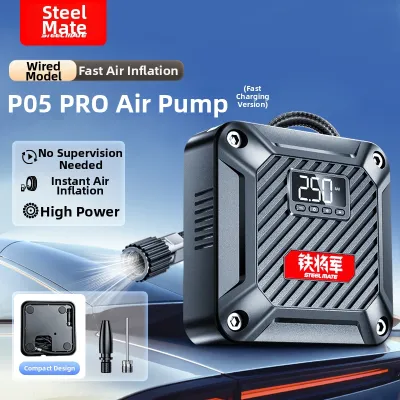
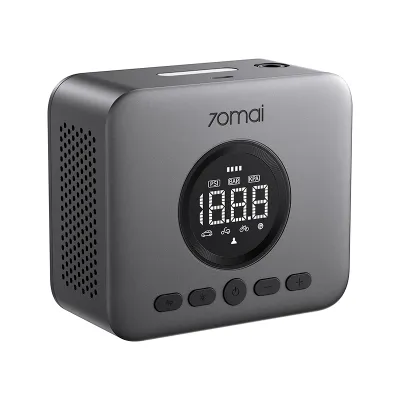
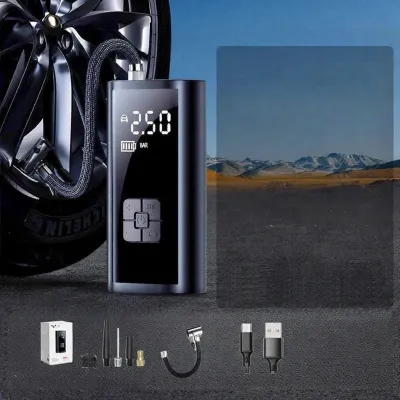
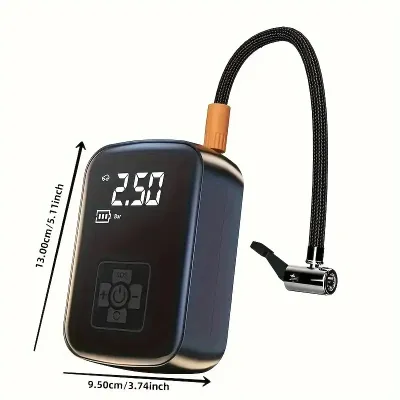
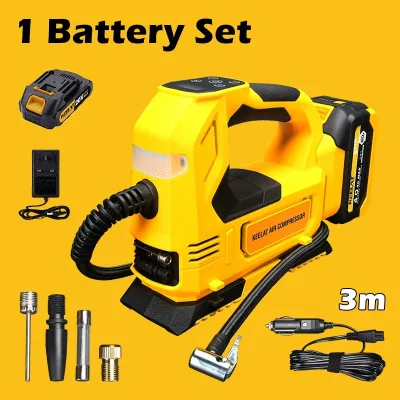
![[SG Stock] Air Pump Car Inflator Compressor Portable Ball Bike Bicycle Rechargeable Basketball Soccer Volleyball Tyre Wheel Tire 12V LED Fast Auto Shut-off Emergency](https://img.lazcdn.com/g/p/cc7d92c566c3860fbbfa1d535cc6f3bb.jpg_400x400q80.jpg_.webp)
![[SG Seller]Portable Car Electric Inflator portable air pump car electric pump wireless air pump car electric pump汽车充气泵](https://img.lazcdn.com/g/p/11d7062f8a657612c19945cd3cdafcdb.jpg_400x400q80.jpg_.webp)
Prices are valid at publication and may change. Please refer to the product page for the latest price.
Prepare your cleaning workspace by gathering basic, non-abrasive supplies. A clean, dry microfiber cloth is ideal for wiping down the exterior surfaces without scratching the plastic housing or digital display screens. A soft-bristled brush, such as a clean toothbrush or a small detailing brush, is useful for clearing debris from hard-to-reach crevices and cooling vents. For stubborn dirt, a mild cleaning solution of warm water and a tiny drop of gentle dish soap is sufficient; avoid using saturated sponges or pouring liquids directly onto the device.
Before you begin wiping the unit, perform a thorough visual inspection of the entire pump. Look closely for any signs of physical damage, such as a cracked outer casing, frayed power cords, exposed internal wiring, or severe corrosion around the battery terminals or charging ports. If you observe any of these structural or electrical defects, do not proceed with cleaning or attempt to use the device. Operating a damaged air pump poses significant safety risks, including electrical short circuits or sudden mechanical failure. In such cases, halt the maintenance process immediately and consult the manufacturer’s customer support or a qualified electronics repair professional.
Cleaning the Pump Body, Hose, and Nozzles
The exterior housing of a portable air pump is constantly exposed to dust, dirt, and environmental contaminants during use. To clean the pump body, lightly dampen your microfiber cloth with water or a mild, highly diluted cleaning solution. Ensure the cloth is merely damp, not dripping wet, to prevent liquid from penetrating the seams of the housing. Gently wipe down all plastic and rubber surfaces of the main unit, paying close attention to areas around the control buttons and digital screens where finger oils and grime tend to accumulate.

Cooling vents are critical components that allow heat generated by the internal motor and compressor piston to escape. Over time, these vents can become clogged with dust, pet hair, or road debris, restricting airflow and leading to rapid overheating during operation. Use your soft-bristled brush to gently sweep dust out of the vent grilles. Always brush outward, away from the interior of the pump, to avoid pushing the debris deeper into the motor housing. Never spray water or liquid cleaners directly into these vents, as moisture can permanently damage the internal electrical circuits and electric motor.
The air hose and inflation nozzles require special attention because they come into direct contact with dirty tires, road grime, sand, and mud. Wipe the entire length of the hose with a damp cloth to remove accumulated road film. Inspect the brass or plastic threads on the connection nozzles and quick-release fittings. Debris or degraded rubber particles from tire valve stems can settle inside these fittings, compromising the airtight seal when you attempt to inflate a tire. Use a dry, soft brush to clear out any grit from the internal threads of the adapters.
When cleaning these components, it is vital to avoid harsh chemical solvents, petroleum-based cleaners, or aerosol sprays. Chemical solvents can chemically react with the plastic housing, causing it to become brittle, discolor, or crack over time. Furthermore, these harsh chemicals can rapidly degrade the delicate rubber O-rings located inside the hose connectors and valve adapters. These O-rings are essential for maintaining a pressurized seal; if they dry out or crack, the pump will leak air, rendering it inefficient or unusable.
Once all parts are clean, lay them out on a dry towel in a well-ventilated area. Allow every component to air-dry completely before attempting to reassemble the device or pack it away. Pay close attention to the connection threads, quick-release mechanisms, and the interior of the hose fittings, as moisture trapped in these tight spaces can lead to corrosion or mold growth. Verify that no dampness remains on any surface before moving to the next step.
Maintaining the Battery in Cordless Models
Cordless portable air pumps rely on rechargeable batteries, typically lithium-ion, to power their internal motors. To maximize the lifespan of these batteries and ensure safe operation, you must adhere to fundamental battery care principles. Always consult the manufacturer’s user manual for the specific battery chemistry used in your model, as different battery types have unique charging and storage requirements.
One of the most critical factors in preserving battery health is managing the state of charge during storage. If you plan to store your portable air pump for an extended period, avoid leaving the battery completely depleted. Storing a lithium-ion battery at zero charge can cause it to enter a deep discharge state, which can permanently damage the cells and prevent the battery from accepting a charge in the future. Conversely, keeping the battery continuously connected to a charger at 100% capacity can accelerate chemical degradation and reduce its overall capacity over time. Many manufacturers recommend storing the device at a partial charge, typically between 50% and 70%, for long-term storage.
Establish a routine to check and top up the battery periodically if the pump is not used frequently. Batteries naturally self-discharge over time, even when the device is turned off. Checking the charge level every few months ensures the battery does not drop into a critically low state. When charging, always use the original charging cable and adapter supplied by the manufacturer, or a certified replacement that matches the exact voltage and amperage specifications outlined in the user manual.
Be vigilant for warning signs of battery degradation or failure. If you notice that the pump’s housing is physically swelling or bulging, if the device becomes excessively hot to the touch while charging, or if you detect any unusual odors or leaking fluids, stop using the device immediately. These symptoms indicate internal battery damage or thermal runaway, which can lead to fires or explosions. Store the compromised unit in a safe, non-flammable area outdoors, and contact a professional recycling center or the manufacturer for safe disposal instructions. Never attempt to disassemble the battery compartment or replace individual cells yourself unless the user manual explicitly outlines a user-serviceable battery replacement protocol.
Choosing the Right Storage Environment
The environment in which you store your portable air pump plays a decisive role in its long-term reliability. Extreme temperatures are highly detrimental to both the mechanical components and the electrical systems of the pump. Avoid storing the device in areas subjected to intense heat, such as inside a closed vehicle cabin or a car trunk parked under direct sunlight, especially in tropical climates like Singapore. High temperatures can warp the plastic housing, weaken the adhesive seals, and cause rapid degradation of the internal battery cells, significantly reducing their capacity and safety.
Conversely, moisture and high humidity pose a severe threat to the pump’s internal electronics and metal components. Select a dry, climate-controlled indoor storage space, such as a closet or utility room, rather than an uninsulated garage, outdoor shed, or damp basement. High humidity can lead to condensation forming inside the device, which can rust the metal piston, corrode electrical contacts, and cause short circuits when the pump is powered on. If you must keep the pump in your vehicle for emergencies, store it inside a sealed, padded protective case to shield it from minor temperature fluctuations and ambient moisture.
When packing the air pump away, pay close attention to how you manage the cables and hoses. Avoid wrapping the air hose or power cords tightly around the body of the pump. Tight wrapping creates sharp bends and high tension, which can lead to internal wire breakage, insulation cracking, or permanent kinking of the rubber air hose. Instead, coil the hose and cables loosely, following their natural curve, and secure them with a hook-and-loop strap or a soft twist tie.
Finally, ensure the storage location protects the pump from physical impact and heavy loads. Do not place heavy tools, luggage, or other equipment directly on top of the air pump or its storage case. Excessive weight can crush the plastic casing, damage the digital pressure gauge screen, or accidentally depress the power buttons, causing the pump to run unattended inside its case. Store the unit on a stable shelf or in a dedicated compartment where it will remain secure and undisturbed.
Organizing Accessories and Scheduling Routine Checks
A portable air pump is only as useful as its accessories. Most pumps come with a variety of small attachments, including brass Presta-to-Schrader valve adapters, inflation needles for sports balls, and plastic nozzles for inflatable toys. Losing these small parts can render the pump useless when you need to inflate a specific item. To prevent this, always store all accessories, adapters, and power cords together with the main unit. Use the original carrying case, or invest in a dedicated, compartmentalized storage container with secure zippers or latches to keep everything organized and easily accessible.
To ensure your portable air pump is always ready for an emergency, establish a schedule for routine operational checks. It is highly recommended to test the device at least once every three to six months, even if you have not needed to use it. Begin the check by powering on the device and observing the digital display. Verify that the pressure gauge resets to zero and that the screen is clear and legible. If your model features a built-in LED work light, turn it on to confirm the bulb and switch are functioning properly.
Next, run the pump briefly in a well-ventilated area. Running the compressor motor for a short duration—typically 10 to 15 seconds—helps circulate the internal lubricants over the piston and seals, preventing them from drying out or seizing up due to prolonged inactivity. Always adhere strictly to the manufacturer’s recommended run-time limits and duty cycle during these tests to prevent overheating. If you notice any unusual grinding noises, excessive vibration, or a burning smell during this brief test, turn off the pump immediately and inspect it for internal faults.
Frequently Asked Questions (FAQ)
Can I use compressed air to clean the inside of my portable air pump?
No, you should not use high-pressure compressed air to clean the internal components of your portable air pump. Forcing high-pressure air into the intake vents, exhaust ports, or cooling grilles can dislodge internal seals, damage delicate pressure sensors, and push dust and debris deeper into the motor bearings. This can lead to air leaks, inaccurate pressure readings, or premature motor failure. You may use low-pressure compressed air or a can of electronics duster solely to gently blow dust off the external cooling fins and outer casing. Any internal cleaning or maintenance that requires opening the housing should be left to qualified repair technicians or authorized service centers.
How should I store my portable air pump if I live in a highly humid climate?
If you live in a highly humid climate, such as Singapore, storing your portable air pump requires extra precautions to prevent moisture damage. Avoid keeping the pump in your vehicle’s trunk, garage, or outdoor storage areas where humidity levels fluctuate wildly. Instead, store the device indoors in a climate-controlled room where air conditioning or dehumidifiers help maintain a stable, dry environment. Additionally, place several silica gel desiccant packets inside the pump’s carrying case or storage bag to actively absorb any ambient moisture. Remember to inspect and replace these desiccant packets regularly, following the manufacturer’s instructions, to ensure continuous protection against rust and electrical corrosion.

Community discussion
Share your experience or ask a question. Comments are reviewed before publication.