
To choose the right byd m6 sunshade, you must evaluate the unique interior layout, sensor positions, and glass dimensions of this all-electric multi-purpose vehicle (MPV). Singapore’s tropical climate brings intense solar radiation and high humidity, making effective cabin heat rejection a necessity rather than a luxury. Selecting the correct shade requires balancing maximum thermal protection with safety, ensuring you do not compromise driver visibility, damage aftermarket window films, or interfere with the vehicle’s onboard safety sensors.
Assess Your BYD M6's Window Layout and Sensor Clearances
The BYD M6 features an expansive glass canopy designed to create an open, airy cabin environment. While this design enhances passenger comfort and spatial awareness, it also exposes a significant surface area to direct sunlight, leading to rapid heat accumulation when parked in open-air spaces. To achieve effective heat rejection, any sunshade you select must match the precise curvature and physical dimensions of the front windshield and side windows.
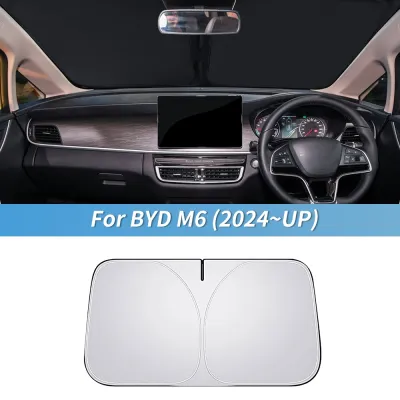
On the front windshield, the central rearview mirror cluster is a critical zone of attention. This area houses the Advanced Driver Assistance Systems (ADAS) cameras and environmental sensors that feed data to the vehicle’s safety features. A poorly designed or ill-fitting front windshield sunshade can put physical pressure on this plastic housing, potentially misaligning the safety cameras, scratching the sensor lenses, or trapping excessive heat around the electronics. You must ensure that your chosen shade features a dedicated, soft cutout that fits loosely around this housing without pressing against it.
Products mentioned in this guide
![[HuiLin.] Custom Sunshade for BYD M6 EV 2024 2025 Front Windshield Blind Window Curtain Sun Shades Visor](https://img.lazcdn.com/g/p/b1232cbefb300a597b71419cd7cbf715.jpg_webp_400x400q80.jpg_.webp)
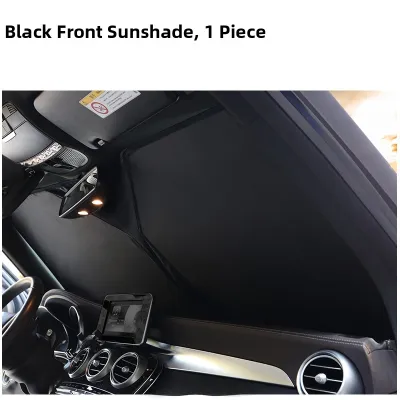
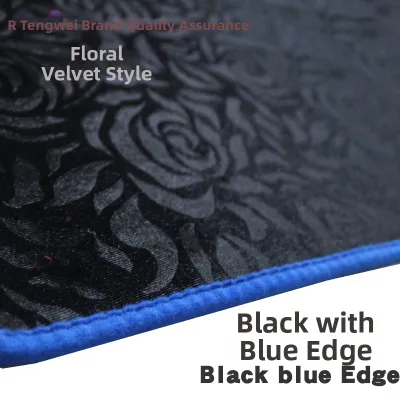
Prices are valid at publication and may change. Please refer to the product page for the latest price.
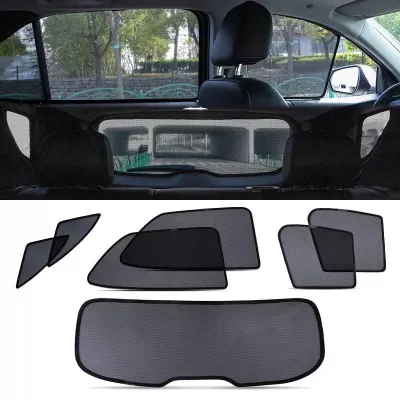
Moving to the side doors, the BYD M6 utilizes specific rubber window seals and door frame profiles. These structural details dictate which mounting mechanisms are safe to use. For instance, magnetic shades require an exposed, flat metal frame, while sleeve-style mesh shades rely on the overall door frame thickness. Understanding these clearances prevents mechanical interference when you roll the windows down and ensures the shades remain secure at highway speeds.
Additionally, the BYD M6 layout includes small triangular quarter windows near the A-pillars. These small glass panels are often overlooked but contribute significantly to solar heat gain on the front dashboard. When evaluating comprehensive sunshade packages, check whether the kit includes dedicated inserts for these quarter windows to ensure complete coverage.
Front Windshield Sunshades: Custom-Fit vs. Universal Options
The front windshield is the primary entry point for solar heat, making your choice of front shade critical for cabin temperature control and dashboard preservation.

Custom-fit windshield shades are engineered specifically for the BYD M6’s unique glass dimensions. These custom options provide edge-to-edge coverage, eliminating the perimeter gaps where sunlight can penetrate and heat up the cabin. By sealing off these gaps, custom shades offer superior UV protection for the synthetic leather and soft-touch materials on the dashboard, while incorporating exact cutouts for the ADAS sensor housing. This precise fitment ensures the shade remains securely in place without requiring aggressive wedging.
Universal-fit sunshades, while widely available and budget-friendly, present several functional drawbacks for this specific MPV. Because they are designed for a broad range of vehicles, they often leave substantial gaps at the corners or sag in the middle, allowing heat to bypass the barrier. To keep a universal shade in place, you typically have to pull down both front sun visors to pin the shade against the glass, which can wear out the visor hinges over time and may still fail to prevent the shade from collapsing.
When evaluating form factors, foldable accordion-style or roll-up shades are highly durable and offer rigid, reliable coverage. They utilize thick, multi-layered reflective materials—such as bubble foil or triple-laminated foam—that block both ultraviolet and infrared rays effectively. The main trade-off is their storage size; these thick panels can be bulky to fold and store within the cabin when you have a full complement of passengers.
Umbrella-style sunshades offer rapid deployment and collapse down to the size of a standard personal umbrella, making them highly convenient for daily use. However, they present distinct risks for the BYD M6 interior. The central metal shaft and tensioned ribs can easily scratch the prominent central infotainment touchscreen or scrape the soft dashboard materials during opening. Additionally, the upper tension points can exert unwanted pressure on the windshield’s ADAS camera housing if not positioned with extreme care.
Side Window Sunshades: Selecting the Right Style for Each Door
Selecting shades for the side doors requires a clear distinction between the front driver-passenger area and the rear passenger compartments, as their functional requirements differ significantly.
For the front side windows, maintaining unobstructed driver visibility is a legal and safety priority. Any shade used here must not block your view of the side mirrors or interfere with your blind-spot checks. Temporary static-cling shades or lightweight suction-cup mesh panels are ideal because they can be removed instantly when driving at night or during heavy rain. Never use solid blackout materials on the front side windows while the vehicle is in motion, as this severely compromises road safety.
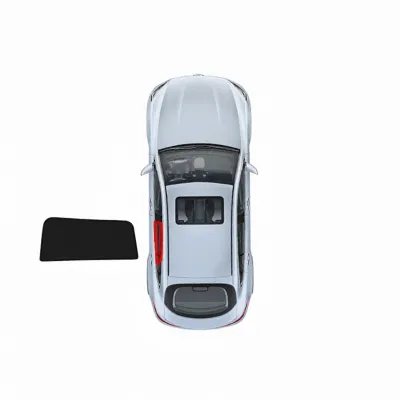
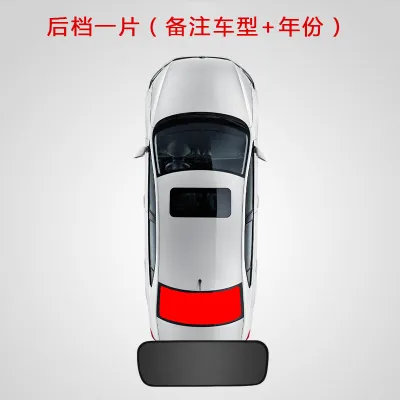
For the rear side windows, passenger comfort and privacy take precedence, especially when carrying children in the back seats. Sleeve-style mesh shades, often called “window socks,” slip over the entire door frame. This style allows you to roll the window down for fresh air while still blocking bugs and glare, though you must verify that the sleeve does not bind in the door seals or flap excessively at highway speeds. Ensure the fabric is rated for UV resistance to protect rear passengers from prolonged exposure.
Magnetic side shades are another popular option, attaching directly to the metal door frame. They offer a clean, integrated look and can be removed quickly. However, you must verify that the BYD M6’s interior door trim leaves enough exposed metal frame for the magnets to grip securely. Alternatively, retractable roller blinds can be mounted via suction cups or clips, offering adjustable coverage at the cost of potential rattling on uneven road surfaces.
Material choice also dictates performance. Fine mesh fabrics allow passengers to see outside and maintain cabin airflow when the window is down, making them suitable for daily family trips. Solid reflective or blackout materials provide maximum heat rejection and privacy when parked, but they completely eliminate outward visibility, making them strictly suited for stationary use or specific camping scenarios.
Crucial Compatibility and Safety Checks Before Purchase
Before finalizing your purchase of any byd m6 sunshade, you must perform several critical compatibility and safety checks to protect your vehicle and its occupants.
First, consider your vehicle’s window tinting. Many car owners in Singapore apply aftermarket solar films to their windows to combat the heat. If your BYD M6 has aftermarket tinting, avoid using strong suction cups or adhesive-backed mounting brackets directly on the glass. The vacuum pressure or adhesive pull can blister, scratch, or peel the expensive tint film when you remove the shade. Static-cling or frame-mounted magnetic shades are much safer alternatives that do not make direct adhesive contact with the glass surface.
Second, verify airbag clearance. The BYD M6 is equipped with side curtain airbags that deploy from the roofline down past the pillars during a collision. Any side window shade that clips permanently into the door pillars or utilizes tension rods must not cross these deployment paths. Always refer to your vehicle’s owner manual to locate the exact deployment zones of the side curtain airbags and ensure your shades do not obstruct them.
Finally, assess storage practicality within the cabin. A large, non-folding custom windshield shade can become a safety hazard if left loose on the rear seats or floorboards during sudden braking. Check if the shade can be folded compactly enough to fit into the seatback pockets, door card bins, or the dedicated under-floor storage compartment in the trunk of your BYD M6. Selecting a shade that includes a dedicated storage bag helps keep the cabin organized and prevents the shade from unfolding unexpectedly.
Installation, Care, and Maintenance Guidelines
Proper installation and regular maintenance ensure your sunshades remain effective and do not damage your vehicle’s interior surfaces over time.
Before installing any glass-mounted shade, thoroughly clean the interior glass surfaces. Dust, moisture, and oily residues from cabin plastics can prevent suction cups or static-cling films from adhering properly, causing them to fall off repeatedly. Use a clean microfiber cloth and a mild glass cleaner approved for automotive use, ensuring the surface is completely dry before application.
When installing a custom-fit front shade, begin by aligning the cutout around the central rearview mirror and ADAS sensor housing. Gently slide the shade into place against the bottom of the windshield, then press the upper edges flush against the glass before securing them with the vehicle’s built-in sun visors. Ensure there are no folded edges or gaps where concentrated sunlight could focus heat onto a single spot on your dashboard.
To maintain the reflective properties of your sunshades, wipe them down periodically with a slightly damp microfiber cloth. Avoid using harsh chemical cleaners, bleach, or abrasive scrubs, as these can strip away the specialized silver or reflective aluminum coatings. Because Singapore’s tropical climate is highly humid, always allow your shades to dry completely before folding and storing them to prevent the growth of mold, mildew, and unpleasant cabin odors.
Frequently Asked Questions (FAQ)
Can I use a sunshade if my BYD M6 has factory-installed privacy glass?
Yes, you should still use a sunshade even if your vehicle features factory-installed privacy glass. While privacy glass is darkened to reduce visible light transmission and increase cabin privacy, it often lacks the advanced infrared (IR) and ultraviolet (UV) blocking capabilities of dedicated solar films or multi-layered reflective sunshades. Adding a high-quality reflective sunshade behind privacy glass helps block the heat-carrying infrared spectrum, keeping your cabin significantly cooler and reducing the workload on your air conditioning system.
Will an umbrella-style sunshade damage the BYD M6's interior screen or dashboard?
There is a notable risk that an umbrella-style sunshade can scratch or damage the BYD M6’s large central touchscreen and soft-touch dashboard. The metal ribs, spring-loaded tensioners, and rigid central handle of these shades require careful maneuvering within the tight space between the steering wheel and the windshield. If you choose to use an umbrella-style shade, place a soft microfiber cloth over your infotainment screen during deployment, or opt for a traditional foldable wire-frame or accordion-style shade to eliminate the risk of mechanical scratches.

Community discussion
Share your experience or ask a question. Comments are reviewed before publication.