
To choose the right sun shade size for your Noah, you must measure the physical dimensions of your windshield and windows rather than relying on generic vehicle category labels. Because this popular multi-purpose vehicle (MPV) features an exceptionally tall, steeply raked front windshield and expansive side glass, standard “one-size-fits-all” shades often leave significant gaps. By taking precise measurements of the glass width and height, identifying your specific Noah generation, and comparing these figures directly with manufacturer specifications, you can secure a snug fit that blocks intense tropical heat and protects your interior.
Understand Your Noah's Window Dimensions and Coverage Needs
The Toyota Noah is designed with passenger comfort and visibility in mind, which translates to an expansive glass area. Unlike standard sedans or compact hatchbacks, this MPV features a front windshield that is both exceptionally tall and steeply angled. This unique geometry means that solar radiation hits the dashboard at a direct angle for most of the day, rapidly heating up the cabin when parked in open-air areas. Furthermore, the side windows are large, flat, and vertical, requiring a different approach to shading compared to the curved glass found on smaller vehicles.
When shopping for sun shades, relying solely on generic “MPV” or “one-size-fits-all” labels is a common mistake. The Noah has evolved through several generations—such as the 70, 80, and 90 series—and each generation features distinct changes in window dimensions, A-pillar designs, and rearview mirror housings. A generic shade designed for a standard SUV or a different MPV model may be too short vertically, leaving a massive gap at the bottom of the windshield where heat can enter and damage the dashboard electronics. Conversely, a shade that is too wide will buckle, sag, and fail to stay in place, rendering it ineffective.
Products mentioned in this guide
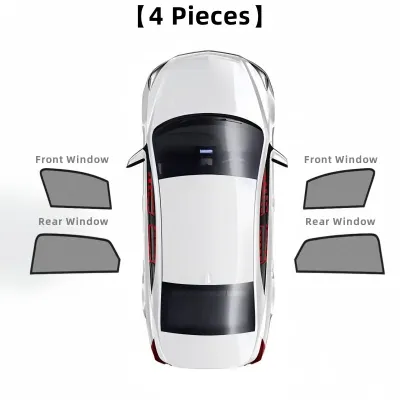
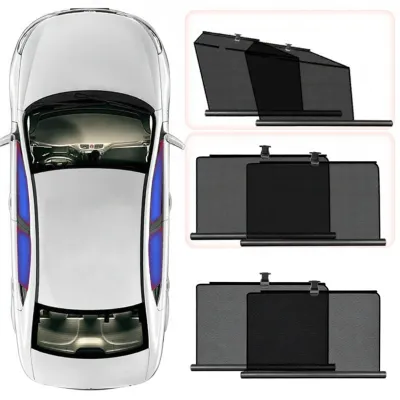
Prices are valid at publication and may change. Please refer to the product page for the latest price.
Achieving full coverage is essential for effective temperature control. Even a small gap of a few centimeters can allow a significant amount of solar energy to penetrate the cabin, creating a greenhouse effect. For the side windows, partial-coverage shades leave passengers exposed to direct glare and compromise privacy. To ensure your cabin remains cool and your interior materials are protected from UV degradation, you must select shades that offer edge-to-edge coverage tailored to your specific vehicle’s dimensions.
How to Measure Your Windshield and Side Windows Accurately
To establish a reliable baseline before purchasing any sun shade, you should take physical measurements of your Noah’s glass surfaces. Avoid relying on approximate dimensions, as minor trim variations can affect the actual fit. For this task, a flexible sewing tape measure is highly recommended over a metal tape measure, as it conforms to the curves of the glass and minimizes the risk of scratching your interior trim or glass coatings.

When measuring the front windshield, you must capture three critical dimensions. First, measure the bottom width along the base of the windshield where the glass meets the dashboard, stretching from the left A-pillar to the right A-pillar. Second, measure the top width along the headliner, which is typically narrower than the base. Third, measure the vertical height from the center of the dashboard straight up to the top edge near the rearview mirror. Be sure to note the size and position of any sensor pods, dashcams, or safety camera housings mounted near your rearview mirror, as the shade must accommodate these components without putting pressure on their mounts.
For the side windows, the measurement process depends on the type of shade you plan to use. If you are opting for magnetic shades that attach to the inner door frame, measure the width and height of the exposed metal frame surrounding the window. If you prefer mesh sleeves that slip over the entire door frame, you must measure the outer perimeter of the door frame itself. When recording these dimensions, add a small margin of approximately one centimeter to your measurements for flexible wire-frame shades to ensure a snug, pressure-fit edge. However, if you are choosing rigid accordion-style shades, stick strictly to the exact dimensions to prevent the material from buckling.
Evaluate Sun Shade Types and Fitment Styles for the Noah
Once you have recorded your measurements, you can evaluate the various sun shade types available on the market to find the style that best matches your daily usage habits. For the front windshield, accordion-fold and roll-up reflective shades are highly popular. Accordion shades, typically constructed from reflective foil and bubble-wrap layers, offer excellent heat rejection but can be bulky to store. Before purchasing, check the folded dimensions of the shade to ensure it can be easily stowed in your Noah’s door pockets, under the seats, or in the glove compartment when not in use.
For the side windows, you have several distinct options, each with its own installation mechanism and functional trade-offs. Magnetic shades are highly convenient because they snap directly onto the metal frame of the door, allowing you to roll the window down for fresh air while keeping the shade in place. However, you must verify that your specific Noah trim level has exposed metal along the inner door frame, as some premium trims feature plastic cladding that prevents magnets from adhering. Alternatively, mesh window sleeves slide over the entire upper door frame like a sock. While they provide excellent shade and double as an insect screen when the window is open, they can create wind noise at highway speeds and are exposed to external weather, which may shorten their lifespan.
When browsing product listings on online marketplaces or at local automotive accessory shops, read the labels carefully to distinguish between custom-fit claims and universal size specifications. A true custom-fit shade is engineered specifically for your Noah’s model year and generation, featuring precise cutouts for the rearview mirror and safety sensor housings. Universal shades, on the other hand, are categorized by general sizes such as “Medium” or “Extra Large.” While universal options are often more budget-friendly, they require you to match your physical measurements meticulously to the manufacturer’s sizing chart to avoid a poor fit.
Step-by-Step Guide to Selecting and Verifying the Right Sun Shade
Selecting the perfect sun shade requires a systematic approach to ensure compatibility and performance before you finalize your purchase. Begin by cross-referencing your physical measurements with the detailed sizing charts provided by the manufacturer. If your windshield height is 95 centimeters, do not attempt to force a shade designed for a maximum height of 90 centimeters, as it will sag and fail to cover the upper portion of the glass.
Next, leverage the experiences of other vehicle owners by checking user reviews on online marketplaces. Search specifically for reviews that mention the Toyota Noah, Voxy, or Esquire, as these sister models share similar body structures. Look for feedback regarding how well the shade fits around the rearview mirror and whether it interferes with aftermarket dashcams or the factory-installed safety camera housing. Real-world photos uploaded by other buyers can provide invaluable visual confirmation of the fitment quality.
Once your selected sun shade is delivered, conduct an immediate dry fit test before removing any tags or discarding the packaging. Park your vehicle in a well-lit area and install the shade according to the manufacturer’s instructions. Sit inside the cabin with the doors closed and look for any visible light leaks around the edges. Check that the shade does not put undue pressure on your rearview mirror, dashcam wires, or safety sensors, as this could cause damage over time.
Finally, familiarize yourself with the seller’s return and exchange policies before making your purchase. If the shade sags, fails to stay in place using your vehicle’s sun visors, or obstructs your driving visibility, you should be prepared to return it. Keep all original packaging intact during the trial fit so that you can easily process an exchange for a different size or model if the initial fit is unsatisfactory.
Installation and Maintenance Tips for Maximum UV Protection
Proper installation is key to maximizing the heat-rejection capabilities of your sun shade. When installing a front windshield shade, position the bottom edge deep into the crevice where the windshield meets the dashboard. This prevents hot air from rising from the base of the glass. Push the top section flat against the windshield, and then pull down both the driver and passenger sun visors to pin the shade securely against the headliner. This simple step prevents the shade from sliding down or sagging during long hours of exposure to direct sunlight.
For side window shades, ensure that they are pulled taut and aligned correctly. If you are using magnetic shades, slide them along the metal frame until there are no gaps or wrinkles, which can reduce their UV-blocking efficiency. For mesh sleeves, pull the fabric down completely over the door frame and secure any integrated velcro straps to keep the material tensioned against the wind.
Maintaining your sun shades will prolong their lifespan and preserve their reflective properties. Clean the reflective or mesh surfaces periodically using a dry or slightly damp microfiber cloth to remove dust and fingerprints. Avoid using harsh chemical cleaners or abrasive sponges, as these can strip away the reflective metallic coatings or damage the delicate mesh fibers. When storing your shades, always fold or roll them according to the manufacturer’s design. Forcing a wire-frame shade into an incorrect fold can permanently warp the internal spring wire, leading to structural sagging and a poor fit during future uses.
Frequently Asked Questions (FAQ)
Can I use a universal sun shade for my Noah, or do I need a custom-fit one?
You can use a universal sun shade if its dimensions closely match your measurements, but a custom-fit shade is highly recommended for the Toyota Noah. Universal shades are budget-friendly and widely available, but they often leave gaps around the A-pillars and the rearview mirror housing, allowing heat and UV rays to penetrate the cabin. Custom-fit shades are tailored to the exact contours of your Noah’s windshield, providing edge-to-edge coverage and dedicated cutouts for safety sensors, which ensures superior heat rejection and a cleaner aesthetic.
Will side window sun shades block my view or interfere with rolling down the windows?
Whether a side shade blocks your view or window operation depends entirely on its design. Magnetic mesh shades and window sleeves allow you to roll the windows down freely, but solid reflective film shades must be removed before opening the windows. For safety and road legality, you must never use solid or highly opaque shades on the front side windows while driving, as they severely obstruct your view of the side mirrors and surrounding traffic. Reserve heavy shading for the rear passenger windows or when the vehicle is parked, and ensure any shades used while driving comply with local transport authority visibility regulations.

Community discussion
Share your experience or ask a question. Comments are reviewed before publication.