
Choosing the right Steelmate Tire Pressure Monitoring System (TPMS) requires matching the physical dimensions of your wheels, the specific pressure requirements of your tires, and your preferred installation method. Because tire safety directly impacts vehicle handling, braking, and fuel efficiency, selecting a compatible system is a critical safety decision. By evaluating whether your vehicle requires internal or external sensors, verifying radio frequency compatibility, and checking physical clearances, you can ensure reliable real-time monitoring without compromising your wheel assembly.
Identifying Your Tire Specifications and Wheel Size
To establish a baseline for compatibility, you must first gather the exact specifications of your current tire and wheel setup. This information is readily available on your vehicle but requires careful reading.
Start by examining the sidewall of your tires. You will find a standardized alphanumeric sequence, such as 205/55 R16 91V. The first three digits represent the tire width in millimeters, followed by the aspect ratio, the radial construction letter, and the wheel diameter in inches. The final numbers and letter represent the load index and speed rating. Your chosen TPMS must be rated to handle the maximum inflation pressure associated with your tire’s specific load index.
Products mentioned in this guide
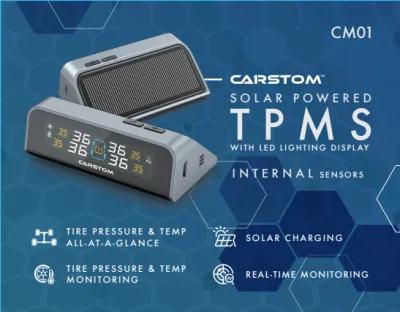

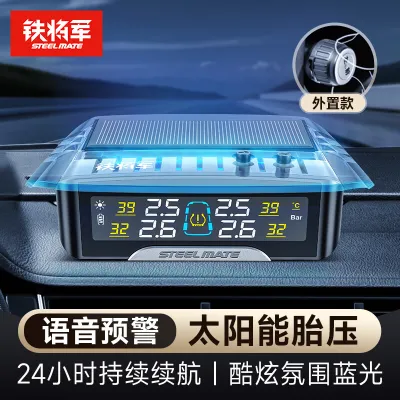
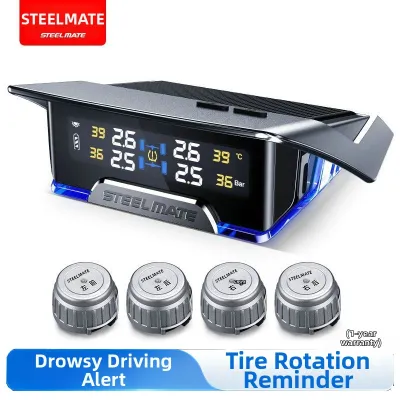
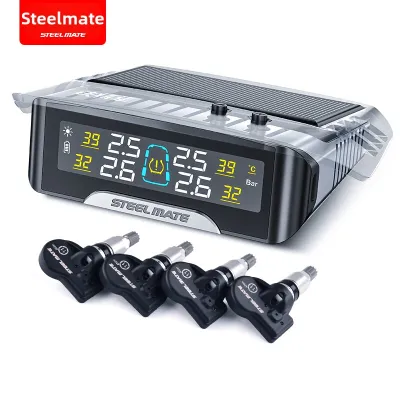
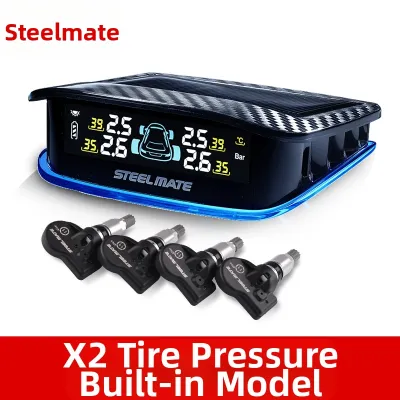
Prices are valid at publication and may change. Please refer to the product page for the latest price.
Next, locate your original equipment manufacturer (OEM) wheel specifications. These details are typically printed on a placard inside the driver’s side door jamb, inside the fuel filler flap, or within the vehicle owner’s manual. You need to identify the wheel diameter, width, and offset. If you have upgraded to aftermarket alloy wheels, these dimensions might differ from the factory settings, requiring you to check the stamped markings on the inner barrel of the wheel itself.
Finally, inspect the existing valve stems on your wheels. Valve stems generally fall into two categories: flexible rubber snap-in valves or rigid metal clamp-in valves. Understanding your current valve stem configuration is essential because some TPMS sensors are designed to replace the entire valve assembly, while others thread onto the existing stem. Ensuring a physical match prevents air leaks and ensures the sensor sits securely against the wheel rim.
Internal vs. External Sensors: Matching Your Wheel Configuration
Deciding between internal and external Steelmate TPMS sensors is a pivotal choice that affects your vehicle’s aesthetics, security, and maintenance routine. Both configurations offer distinct advantages depending on your daily driving environment and wheel design.

Internal sensors are installed inside the tire, replacing the standard valve stem entirely. This configuration offers a clean, concealed look that preserves the original appearance of your wheels. Because the sensor body is housed safely inside the tire cavity, it is completely protected from environmental hazards such as road salt, dirt, and heavy tropical downpours. Furthermore, internal sensors are virtually immune to opportunistic theft or vandalism. However, installing internal sensors is a complex process that requires completely dismounting the tire from the wheel, which must be performed by a professional technician using specialized tire-changing machinery.
External sensors, on the other hand, are designed for straightforward, do-it-yourself installation. These compact units simply screw onto your existing valve stems in place of the standard valve caps. This makes them highly convenient for drivers who want a quick setup without visiting a workshop. The trade-off is that external sensors are constantly exposed to the elements, road debris, and potential theft. While they usually come with anti-theft lock nuts, replacing batteries or inflating your tires requires using a specialized wrench to remove the sensor each time, which can add minor inconvenience to routine maintenance.
Before choosing external sensors, you must carefully evaluate the physical clearance of your wheels. Wheels with deep recesses, specialized aerodynamic covers, or non-standard valve stem angles may not accommodate the added bulk of an external sensor. If the sensor protrudes too far, it could strike the brake calipers, suspension components, or curb barriers during tight maneuvers. Measure the clearance around your valve stem when the wheel is fully turned to ensure there is no risk of physical contact with any part of the vehicle chassis.
Critical System Specifications to Verify
Beyond physical fitment, verifying the technical specifications of the TPMS is crucial to ensure seamless communication between the sensors and the in-cabin display unit. Mismatched specifications can lead to dropped signals, inaccurate readings, or complete system failure.
First, verify the radio frequency used by the TPMS. Most aftermarket systems operate on standard frequencies, typically 433.92 MHz or 315 MHz. You must consult your vehicle’s owner’s manual, check the markings on any existing factory sensors, or contact an authorized dealership to confirm which frequency is compatible with your vehicle’s onboard receiver if you are integrating with an existing dashboard display. If you are using a complete standalone Steelmate kit with its own dedicated display, ensure the sensors and receiver in the package are tuned to the same frequency.
Second, check the maximum pressure rating of the TPMS system. Standard passenger car tires typically operate between 30 and 35 PSI, but light trucks, commercial vans, and heavy-duty vehicles require much higher pressures, sometimes exceeding 60 or 80 PSI. Your chosen TPMS must have a maximum pressure threshold that safely exceeds your tire’s maximum cold inflation pressure, which is stamped on the tire sidewall. Using a sensor with an inadequate pressure range can result in constant false alarms or sensor damage.
Third, consider the temperature monitoring thresholds and signal transmission range. Tires generate significant heat during high-speed highway driving or prolonged stop-and-go traffic in warm climates. The system must be capable of monitoring high temperature ranges and alerting you before the rubber reaches critical degradation points. Additionally, if you drive a longer vehicle, such as a large sports utility vehicle, a station wagon, or a double-cab pickup, ensure the sensor’s signal transmission range is strong enough to penetrate the vehicle’s body panels and reach the dashboard receiver without interruption.
Installation, Balancing, and Safety Boundaries
Installing tire pressure monitoring sensors involves working directly with your vehicle’s wheels and tires, which are critical safety components. Adhering to strict safety boundaries and professional installation guidelines is essential to prevent accidents and ensure long-term reliability.
Because internal TPMS sensors require breaking the tire bead and removing the tire from the wheel rim, this task must be performed by a qualified tire technician at a professional workshop. Attempting to dismount tires without professional equipment can damage the tire bead, scratch your alloy wheels, or cause severe personal injury. Once the internal sensor is secured, the entire wheel assembly must undergo dynamic wheel balancing. The added weight of the sensor, even if it is only a few grams, can cause significant wheel imbalance, leading to steering wheel vibrations, accelerated suspension wear, and uneven tire tread wear at highway speeds.
When securing internal sensors or external lock nuts, technicians must strictly follow the manufacturer’s specified torque values. Over-tightening the sensor nut or the valve core can strip the delicate threads, crack the sensor housing, or damage the rubber sealing grommet, leading to slow, hard-to-detect air leaks. Conversely, under-tightening can allow the sensor to shift or vibrate loose over time. Utilizing a calibrated torque wrench is the only reliable way to ensure the components are secured to the exact specifications.
You must stop the installation immediately and consult a qualified specialist if your vehicle features specialized wheel configurations. This includes wheels with custom aftermarket coatings that could be scratched by metal clamps, run-flat tires with stiff sidewalls that require specialized mounting techniques, carbon fiber wheel construction, or non-standard valve hole diameters. Standard TPMS sensors may not seal correctly on non-standard valve holes, posing a severe risk of sudden pressure loss while driving.
Your Pre-Purchase Verification Checklist
Before finalizing your purchase from an authorized local distributor or a reputable online marketplace, run through this structured pre-purchase checklist to ensure absolute compatibility and avoid the hassle of returns.
Begin by cross-referencing your vehicle’s exact make, model, and year against the compatibility documentation provided by the manufacturer. Ensure that any electronic integration features match your vehicle’s onboard systems if you are not using a standalone display.
Next, align your chosen sensor type with your overall budget. While external sensors have a lower initial cost and require no professional installation fees, internal sensors provide superior long-term durability and security, though they require budgeting for professional workshop labor and wheel balancing services, which are typically charged in S$ per wheel.
Evaluate the display unit options included in the kit. Steelmate systems offer various display configurations, including solar-powered dashboard monitors, compact cigarette lighter or USB plug-in displays, and systems that integrate directly with your smartphone or OBD-II port. Choose a display style that fits your dashboard layout, does not obstruct your view of the road, and matches your power source preferences.
Finally, verify the package contents to ensure you have the correct number of sensors for your vehicle. Standard kits include four sensors, but if you drive a vehicle with a full-size spare tire that you wish to monitor, or if you are towing a trailer, you will need a system that supports additional sensor channels. Ensure the package also contains all necessary mounting hardware, anti-theft lock nuts, replacement rubber seals, and the specialized tools required for installation and battery replacement.
Frequently Asked Questions (FAQ)
Can I use the same TPMS sensors if I change my wheel size?
Yes, the electronic sensors themselves can often be transferred to new wheels, but the physical mounting hardware usually requires replacement. When upgrading your wheels, the valve hole diameter, rim thickness, and contour of the new wheel barrel may differ from your original setup. You will typically need to install new rubber grommets, washers, and valve stems to ensure a perfect, airtight seal on the new wheels. Additionally, you must verify that the physical dimensions of the sensor do not interfere with the new wheel’s inner barrel or the brake calipers, especially if you are downsizing your wheel diameter or choosing a wheel with a high offset.
Do I need to recalibrate the system after rotating my tires?
Yes, tire rotation changes the physical position of each wheel relative to the vehicle’s receiver, meaning your display unit will show incorrect tire positions unless the system is updated. Most aftermarket TPMS systems require a manual relearn or position reset procedure after a standard tire rotation. This process typically involves entering a specific programming mode on the display unit and either releasing air from each tire in a designated sequence or using a dedicated TPMS trigger tool to reactivate each sensor in its new position. Always consult your specific product manual for the exact button sequence, as the recalibration steps vary significantly across different product generations.

Community discussion
Share your experience or ask a question. Comments are reviewed before publication.