
Car wipes offer an incredibly convenient way to maintain a vehicle’s appearance, especially when dealing with sudden contaminants like bird droppings, tree sap, or road grime in Singapore’s tropical climate. Whether parked in an open-air lot or a sheltered multi-storey car park, having a quick-cleaning solution on hand prevents environmental fallout from etching into your paintwork. However, grabbing any generic wet wipe can lead to costly surface damage if you do not pay attention to its chemical composition. The key to safe and effective spot cleaning lies in understanding the pH level of the formula infused into each wipe.
Understanding pH Levels in Car Wipes
The pH scale, ranging from 0 to 14, measures how acidic or alkaline a liquid solution is, with 7 representing complete neutrality. In automotive detailing, different cleaning tasks require different chemical behaviors to break down specific types of dirt. Acidic solutions (pH below 7) excel at dissolving inorganic mineral deposits, such as water spots or brake dust, while alkaline solutions (pH above 7) are highly effective at cutting through organic matter, grease, and road oils. Neutral solutions (pH around 7) provide a balanced, gentle cleaning action that does not chemically react with most surfaces.
Relying solely on generic marketing terms like “multi-purpose” or “all-surface safe” without verifying the actual pH balance can lead to unintended damage. A wipe formulated to cut grease on heavy-duty engine parts is far too aggressive for delicate interior leather or exterior clear coats. Over time, using the wrong chemical profile can strip away protective wax coatings, dry out vinyl dashboards, or cause permanent discoloration on sensitive trim pieces.
Products mentioned in this guide
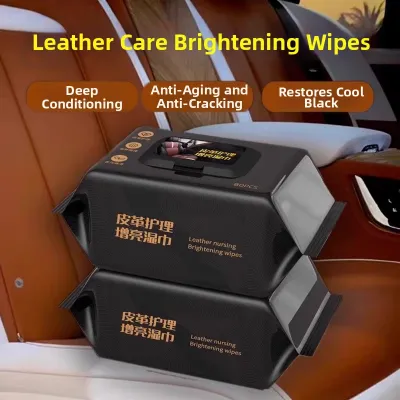
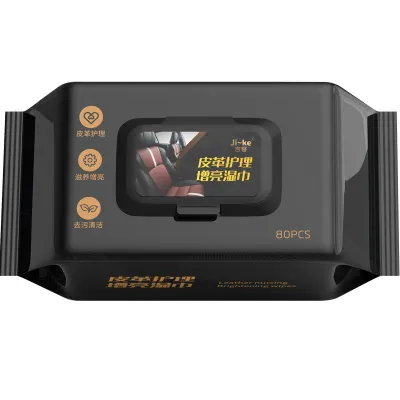
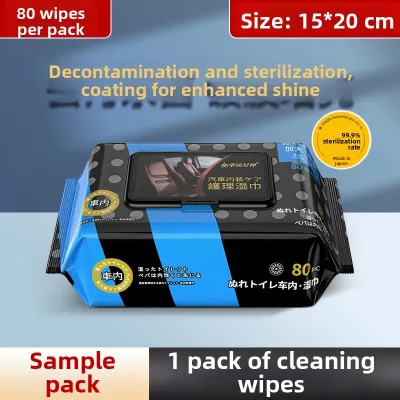
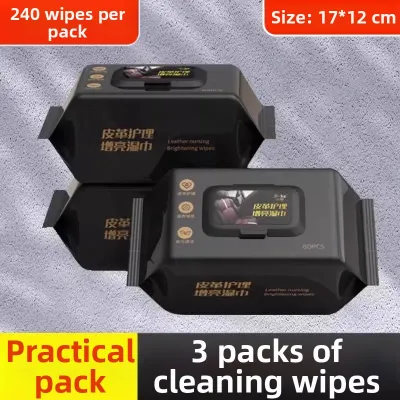
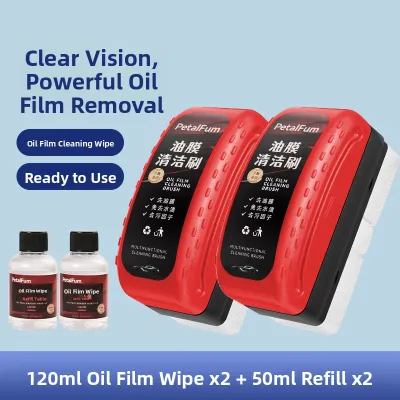
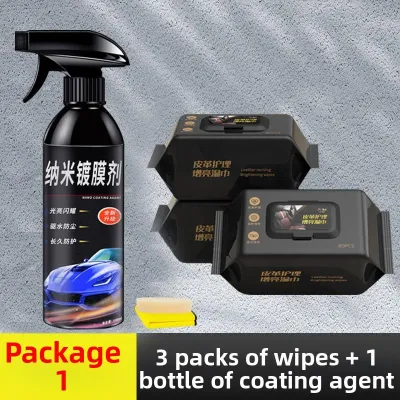
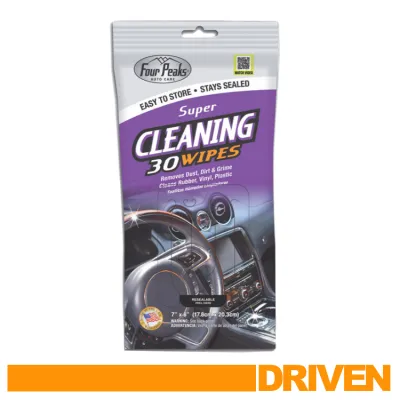
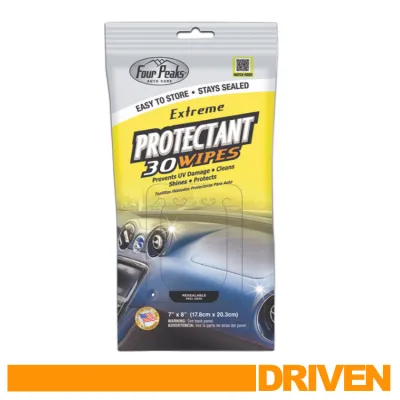
Prices are valid at publication and may change. Please refer to the product page for the latest price.
To ensure vehicle safety, the manufacturer’s product label and official safety data sheet (SDS) must always be treated as the ultimate authorities. General assumptions about wipe categories can be misleading, as formulations vary widely between brands. Before applying any pre-saturated wipe to your vehicle, verify the chemical specifications and authorized uses detailed by the manufacturer to prevent chemical etching or material degradation.
Matching pH Levels to Specific Car Surfaces
Selecting the correct car wipes requires matching the chemical strength of the formula to the specific material you intend to clean. Different areas of your vehicle possess varying levels of sensitivity to chemical exposure.

Exterior Paint and Clear Coats
For general maintenance of exterior paintwork, pH-neutral wipes are the safest and most reliable choice. Modern automotive clear coats are resilient, but they are frequently protected by delicate layers of wax, polymer sealants, or ceramic coatings. Acidic or highly alkaline wipes can chemically strip these protective barriers, leaving the underlying paint vulnerable to UV damage and environmental oxidation. Using a pH-neutral wipe ensures you can lift light dust, fresh bird droppings, or fingerprints without degrading the existing paint protection.
Interior Surfaces (Leather, Vinyl, Plastics)
The cabin of a vehicle contains a complex mix of materials, including natural leather, synthetic vinyl, and soft-touch plastics, all of which are highly susceptible to chemical drying. Mild, pH-neutral formulations are essential for these surfaces to prevent premature aging, fading, or cracking. Avoid using wipes that contain harsh solvents, heavy alkaline builders, or high concentrations of isopropyl alcohol. These aggressive agents strip away the natural oils in leather and the plasticizers in vinyl, leading to a brittle texture and unsightly discoloration over time.
Glass, Mirrors, and Window Tints
Automotive glass requires specialized streak-free formulations that evaporate cleanly without leaving a hazy residue. When cleaning windows, it is critical to avoid alkaline or ammonia-based wipes, particularly if your vehicle has aftermarket window tints. Ammonia and strong alkaline agents chemically attack the adhesive layers and polyester films used in tinting, causing them to bubble, peel, or turn purple. Always verify that your glass wipes are explicitly labeled as ammonia-free and safe for tinted windows.
Wheels, Tires, and Unpainted Metals
Wheels and tires face the harshest road contaminants, including baked-on brake dust, road tar, and heavy grease. Because these inorganic and organic deposits bond strongly to surfaces, pH-neutral wipes may not provide sufficient cleaning power. Specialized alkaline wipes are often necessary to break down greasy road film on tires, while mild acidic formulations help dissolve stubborn brake dust on alloy wheels. However, because these chemicals are aggressive, you must strictly follow the manufacturer’s instructions, which often require a post-use wipe with a damp microfiber cloth to neutralize and remove any active chemical residue from unpainted metal surfaces.
How to Read Car Wipe Labels and Safety Data
Navigating the car care aisle requires a critical eye for product labeling and technical specifications. Manufacturers use specific terminology to communicate the chemical nature and safety boundaries of their wipes.
Look for key signal phrases on the packaging such as “pH neutral,” “acid-free,” “alkaline-safe,” “clear coat safe,” or “ammonia-free.” These terms provide an immediate indication of how the formula will interact with your vehicle’s surfaces. Additionally, check the back label for explicit surface compatibility lists, which detail exactly where the product can be applied safely, whether on painted metal, finished leather, or acrylic screens.
Pay close attention to critical warning instructions and application constraints. Many labels will warn against using the wipes on hot surfaces or under direct sunlight, as rapid evaporation can concentrate the active chemicals and cause immediate staining. Other products may specify a maximum dwell time or require a secondary water rinse. If a product lacks clear pH indicators, surface compatibility guidelines, or safety warnings, adopt a conservative strategy: perform a spot-test in an inconspicuous area first, or discontinue use entirely in favor of a fully documented alternative.
Best Practices for Using pH-Specific Car Wipes
Applying car wipes safely involves more than just choosing the right chemical profile; it also requires proper application techniques and situational awareness.
Before starting any cleaning task, perform essential pre-treatment checks. Ensure that the vehicle’s panels are cool to the touch and parked in a shaded area, such as a covered car park. Applying pre-saturated wipes to hot surfaces causes the liquid carrier to evaporate instantly, leaving concentrated chemical residues behind that can etch into clear coats or glass.
To maintain surface integrity, prevent cross-contamination by keeping different types of wipes strictly separated. Never use a wipe designated for wheels and tires on your paintwork or interior surfaces, as this can transfer abrasive brake dust particles and aggressive alkaline chemicals to delicate areas. Use separate, dedicated wipes for each specific cleaning zone, and dispose of them immediately after use.
Always establish clear stop-work conditions during your detailing routine. If you observe any signs of surface discoloration, unusual hazing, or a sticky residue during application, immediately halt the cleaning process. Thoroughly rinse the affected area with clean water to neutralize any remaining chemicals, and consult a professional detailer to assess the surface before proceeding.
Frequently Asked Questions (FAQ)
Can I use household cleaning wipes on my car interior?
No, household cleaning wipes are not suitable for automotive interiors. These products are typically formulated with strong alkaline agents, harsh disinfectants, or high levels of alcohol designed to sanitize hard, non-porous household surfaces. When used on automotive leather, vinyl, or soft-touch plastics, these chemicals strip away essential UV inhibitors and protective topcoats, causing the materials to dry out, fade, and crack prematurely.
Do pH-neutral car wipes remove heavy grease or brake dust?
Generally, pH-neutral car wipes are designed for light maintenance and are not powerful enough to dissolve heavy, baked-on brake dust or thick engine grease. Neutral formulas lack the chemical acidity needed to break down inorganic metallic bonds or the high alkalinity required to emulsify heavy oils. For these stubborn contaminants, you should use specialized, label-authorized wheel or degreasing wipes, ensuring you follow all safety and rinsing instructions.

Community discussion
Share your experience or ask a question. Comments are reviewed before publication.