
Selecting the right microfiber cloth for car detailing requires looking beyond color and price. To protect your vehicle’s clear coat from swirl marks and scratches while achieving a streak-free finish, you must evaluate three primary technical specifications: the blend ratio of polyester and polyamide, the weight of the fabric measured in grams per square meter (GSM), and the specific weave pattern. Matching these physical characteristics to the exact detailing task—whether drying, buffing, cleaning glass, or wiping down interiors—ensures optimal performance and prevents costly paint damage.
In tropical climates like Singapore, where high humidity and intense sun can cause detailing products to dry quickly on the paint, choosing the correct towel is even more critical. Using the wrong cloth can lead to dry-buffing, which drags contaminants across the surface and creates micro-scratches. By understanding the construction of these tools, you can build a safe, efficient, and highly effective car care kit.
Understand Microfiber Basics: Blend Ratios and GSM
Microfiber is a synthetic material typically composed of a blend of polyester and polyamide. Polyester provides the structural strength, durability, and scrubbing power of the cloth, while polyamide is the highly absorbent, soft component that attracts water and fine dust particles. When shopping, you will commonly see blend ratios expressed as percentages, such as 80/20 or 70/30.
Products mentioned in this guide
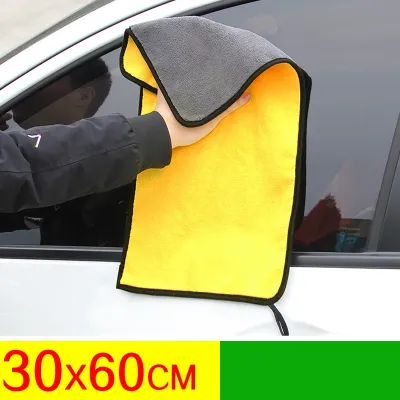
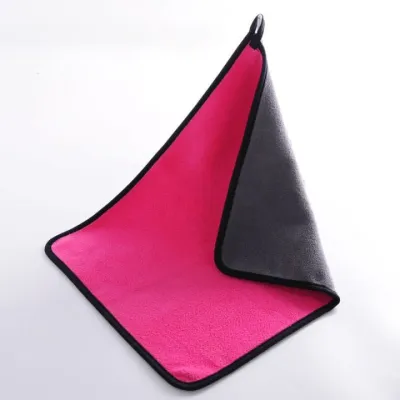
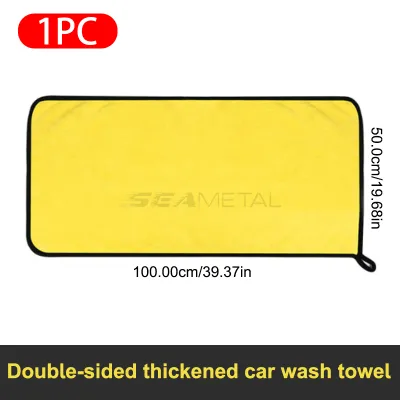
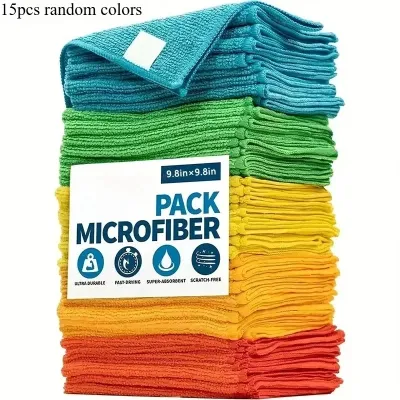
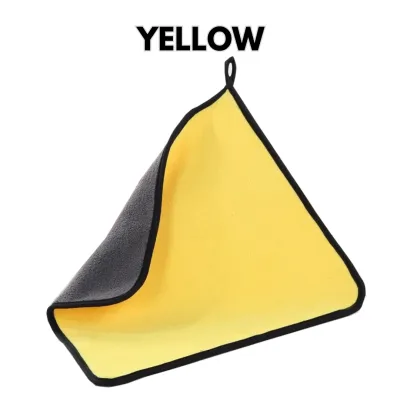
Prices are valid at publication and may change. Please refer to the product page for the latest price.
A 70/30 blend (70% polyester and 30% polyamide) is highly prized in automotive detailing for its superior water absorption and plush feel. This higher polyamide content makes the towel exceptionally soft and safe for delicate clear coats, making it the ideal choice for drying and quick detailing. An 80/20 blend is slightly stiffer and more durable, making it highly suitable for general cleaning, interior surfaces, or removing stubborn compound residues where a bit more scrubbing action is required.
Grams per Square Meter (GSM) measures the density and weight of the cloth, which directly correlates with its thickness, plushness, and liquid capacity. Selecting the right GSM range ensures you have the correct level of cushioning and absorbency for each specific detailing step.
Low GSM (200 to 300) towels are thin, lightweight, and low-pile. These cloths offer minimal cushioning but excellent bite and low linting, making them perfect for cleaning glass, wiping down interior plastics, or removing ceramic coating residues where a plush towel might slip. Medium GSM (300 to 500) towels strike a balance between absorbency and maneuverability, serving as the versatile workhorses for buffing off waxes, polishes, and spray sealants. High GSM (500 to 800+) towels are extremely thick and heavy, designed primarily to hold a massive volume of water for safe drying or waterless washing.
Match the Weave Type to Your Detailing Task
The weave pattern of a microfiber towel determines how the fibers interact with the vehicle’s surface, affecting both dirt encapsulation and surface friction. Using the wrong weave can result in poor product removal, linting, or even fine scratches on sensitive paintwork.

Waffle weave towels feature a distinct grid-like pattern resembling a kitchen waffle. The recessed pockets trap water efficiently while reducing surface tension and drag across the paint. Because a waffle weave has no raised pile to trap large dirt particles, it should be used strictly as a drying towel on clean, washed surfaces or as a highly effective glass cleaning cloth.
Plush or long-pile weaves feature long, open loops of fiber that provide maximum space for dirt, dust, and debris to be drawn away from the paint surface and safely encapsulated deep within the pile. This minimizes the risk of dragging abrasive particles across the clear coat, making plush towels the safest option for quick detailers, waterless washes, and final buffing of delicate paintwork.
Terry or short-pile weaves offer a classic tight-loop design that provides more surface friction and scrubbing power. This structure is highly effective at breaking up and removing cured wax, polish residues, and interior grime. However, because the pile is short, it has less capacity to safely encapsulate large dirt particles, meaning it should not be used for wiping dusty exterior paint.
Glass weaves, often referred to as flat weaves, have virtually no pile and a very tight, smooth texture. They are designed to glide over glass surfaces without catching, leaving behind zero lint or streaks. These are highly specialized tools and should never be used on painted surfaces due to their lack of dirt-trapping depth.
Twist loop weaves are a modern innovation where the fibers are twisted into long, dense loops. This design dramatically increases surface area and capillary action, allowing the towel to absorb water rapidly without leaving streaks. It is highly favored for single-pass drying of entire vehicles, especially in humid environments where water spots can form quickly.
Evaluate Edge Design and Construction Quality
The edge of a microfiber towel is one of the most common sources of paint scratches and swirl marks. When buffing or drying, the edges frequently contact the paint under pressure, making edge construction a critical safety factor to evaluate before purchase.
Edgeless towels, created via ultrasonic or laser cutting, are the safest design for sensitive clear coats. These towels are cut using high-frequency sound waves that melt the fibers together at the border, creating a soft, seamless edge with no stitching or binding. Because there are no hard threads or seams, the risk of micro-scratching is virtually eliminated.
Silk or satin banded edges feature a soft ribbon wrapped around the border and stitched down. While safer than standard thread edges, you must inspect the stitching quality. If the thread used to sew the binding is a hard polyester monofilament, it can still scratch paint if dragged at an angle. Suede borders offer a similar, highly durable alternative using a soft microfiber suede material.
Overlock stitching is the most common and least expensive edge treatment, where thread is wrapped tightly around the cut edge. These towels are highly prone to scratching delicate paint and should generally be restricted to interior, wheel, or engine bay cleaning where paint safety is not a primary concern.
Before using any new microfiber towel on your vehicle’s paint, perform a simple quality check. Inspect the towel for loose threads, uneven stitching, and linting. Always remove any manufacturer tags or labels before use; paper or hard plastic tags will easily scratch automotive clear coats, so look for tagless towels or those with easily peelable adhesive labels.
Build a Task-Specific Microfiber Collection
To maintain a safe and efficient detailing routine, you must build a structured, task-specific collection of microfiber cloths and strictly prevent cross-contamination. Using a towel that previously cleaned greasy door jambs on your delicate hood paint will inevitably introduce scratches and oily residues.
Implementing a color-coding system is the easiest way to manage your collection. Assign specific colors to distinct detailing tasks: for example, reserve blue towels exclusively for glass cleaning, yellow or green for interior plastics and leather, grey or black for dirty areas like wheels and engine bays, and plush orange or red towels solely for paint polishing and drying. This visual system prevents accidental misuse during a busy detailing session.
Keep towels used on wheels, tires, exhaust tips, and engine bays completely separate from those used on painted body panels. These high-contamination areas accumulate abrasive brake dust, road salt, and heavy grease. Even after washing, microscopic metal particles can remain trapped deep within the fibers, ready to scratch your clear coat during the next wash. Store and wash these dirty towels in separate bins to maintain a strict barrier.
Care and Maintenance to Preserve Cloth Performance
Proper care and maintenance are essential to preserve the electrostatic charge, absorbency, and softness of your microfiber towels over time. Microfiber is highly sensitive to heat and chemical additives, which can easily ruin its delicate structure if washed incorrectly.
Never use fabric softeners or dryer sheets when washing microfiber. These products coat the microscopic fibers with a thin layer of silicone or chemical softeners, completely clogging the capillary channels and destroying the towel’s absorbency. Avoid chlorine bleach, as it degrades the polyamide fibers, causing them to break down, stiffen, and lint.
Wash microfiber towels separately from other household laundry, especially cotton towels, as microfiber will attract and trap cotton lint. Use a dedicated microfiber wash detergent or a mild, liquid detergent free of perfumes and dyes. Wash in cold or warm water, as hot water can damage the synthetic fibers.
Air dry your towels in a clean, dust-free environment, or tumble dry on a low-heat or no-heat setting. High heat will literally melt the microscopic polyester and polyamide tips, turning a soft towel into a stiff, scratchy hazard. Once dry, store your clean towels in closed plastic bins or drawers to protect them from airborne dust, garage grime, and pet hair.
Frequently Asked Questions (FAQ)
Can I use household microfiber cloths for car detailing?
It is highly recommended to avoid using generic household microfiber cloths on your vehicle’s paint. Household cloths are typically made with a lower-quality 80/20 or 100% polyester blend, resulting in stiffer fibers that can easily scratch sensitive automotive clear coats. Furthermore, they often feature rough overlock-stitched edges and hard plastic tags that pose a high risk of creating swirl marks. Automotive-grade microfiber towels are specifically engineered with softer blends, safer edge designs, and task-specific weaves to protect delicate paint finishes.
How often should I replace my detailing microfiber towels?
You should replace or downgrade your detailing towels when they show physical signs of degradation, such as a loss of absorbency, persistent stiffness, or excessive linting. If a towel feels rough to the touch even after a proper wash, the fibers have likely melted or become clogged with cured product. Additionally, any towel that has been dropped on the ground should be retired from paintwork immediately, as it can trap abrasive dirt particles that do not wash out. Heavily degraded towels do not need to be thrown away; they can be repurposed for dirty tasks like cleaning wheels, engine bays, or exhaust tips.

Community discussion
Share your experience or ask a question. Comments are reviewed before publication.