
Selecting the right water-absorbing microfiber cloth is the single most important step in preventing swirl marks, scratches, and unsightly water spots during your car wash routine. In tropical climates like Singapore, where sudden rain showers are followed by intense, baking sunshine, drying your vehicle quickly and safely is crucial. Leaving water to evaporate naturally on your paintwork under the hot sun leads to mineral deposits, commonly known as water spots, which can etch into your clear coat and require expensive machine polishing to remove. Investing in a high-quality water magnet cloth or a dedicated microfiber drying towel ensures that moisture is lifted away cleanly, leaving a streak-free finish without compromising your paint.
While many car owners focus heavily on selecting the best car shampoos or ceramic coatings, the drying phase is actually where most paint marring occurs. Dragging an unsuitable, dirty, or stiff cloth across your clear coat acts like fine sandpaper, creating microscopic scratches that dull your car’s shine over time. By understanding the technical specifications of modern microfiber fabrics and mastering safe drying techniques, you can maintain a showroom-like finish right in your local multi-storey car park wash bay.
Understanding Microfiber vs. Water Magnet Cloth Materials
To choose the right drying tool, you must first understand what makes these fabrics work. Standard microfiber is a synthetic material made from a blend of polyester and polyamide. Polyester provides the structural strength and scrubbing power of the cloth, while polyamide is the highly absorbent, soft component that draws in water. When these fibers are split during manufacturing, they create a vast network of microscopic hooks and channels that use capillary action to pull moisture and fine dust away from surfaces.
Products mentioned in this guide
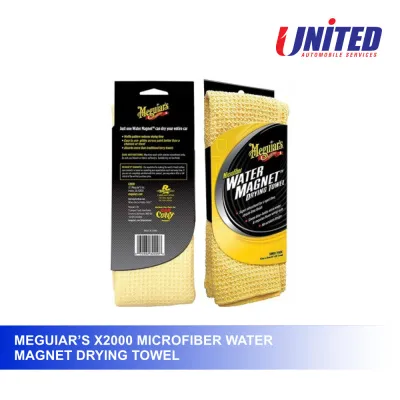
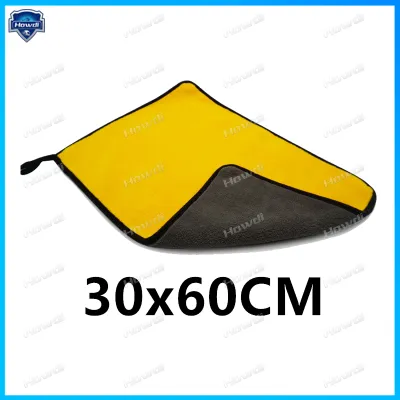
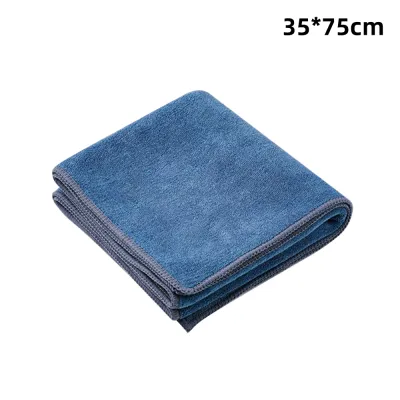
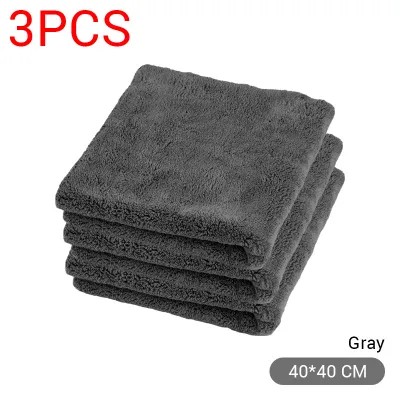
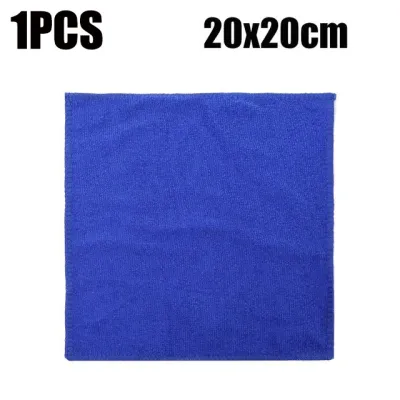
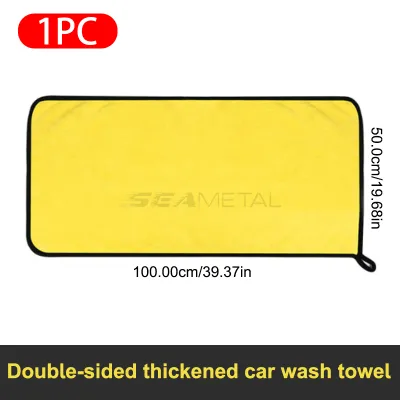
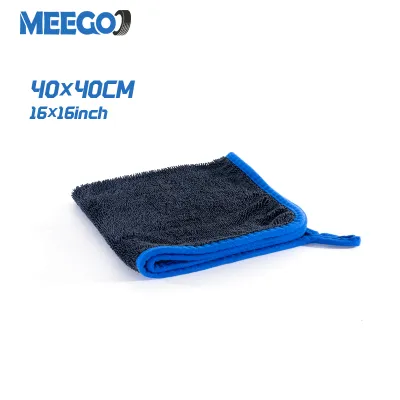

Prices are valid at publication and may change. Please refer to the product page for the latest price.
A water magnet cloth is a specialized type of microfiber that features a distinct waffle-weave pattern. Instead of the plush, fluffy loops found on standard detailing towels, a waffle-weave cloth has a textured grid of raised and recessed squares. This unique structure allows the cloth to glide effortlessly across flat panels and glass, scooping up large volumes of water and trapping it within the recessed pockets. Because there are no long fibers to drag or snag, waffle-weave cloths are highly favored for glass cleaning and initial drying passes, as they rarely leave lint or streaks behind.
Plush or twisted-loop microfiber towels, by contrast, rely on sheer fiber density and long, open loops to absorb water. While a waffle-weave water magnet cloth is excellent for rapid water clearance on well-maintained, waxed, or ceramic-coated vehicles, it has less cushioning than a plush towel. If your car has residual road grime or dust that was missed during the wash phase, a waffle-weave cloth offers less space to trap those particles safely away from the paint. Plush towels provide a deeper pile that cushions the paint against friction, making them highly forgiving, though they can become heavy and slow to dry once fully saturated.
Key Specifications to Check Before You Buy
When shopping for a drying cloth at an automotive specialty store or an online marketplace, you should look past marketing buzzwords and evaluate the technical specifications listed on the product packaging. The most critical metric to check is the fabric density, measured in Grams per Square Meter (GSM). GSM directly correlates with the thickness, weight, and water capacity of the towel. For a waffle-weave water magnet cloth, a density between 350 GSM and 500 GSM is ideal, offering a perfect balance of absorbency and maneuverability. For plush or twisted-loop drying towels, look for a density of 600 GSM to 1,200 GSM to ensure the cloth can hold multiple times its weight in water without dripping.

Another vital specification is the material blend ratio, which indicates the percentage of polyester to polyamide. Premium drying towels typically feature a 70/30 blend (70% polyester and 30% polyamide). This higher polyamide content ensures maximum softness and water retention, making the towel exceptionally gentle on delicate clear coats. Budget-friendly towels often use an 80/20 blend; while durable and perfectly suitable for interior cleaning, wheels, or door jambs, they may lack the extreme absorbency and plushness required for safe, scratch-free drying on exterior paintwork.
Do not overlook the edge design of the towel, as this is a common culprit for micro-scratches. Standard utility microfibers often feature edges stitched with hard polyester thread, which can easily scratch soft paint finishes when dragged under pressure. For safe drying, look for towels with laser-cut edgeless borders, or those bound with soft silk, satin, or suede piping. These premium edge treatments ensure that every part of the towel that contacts your vehicle is completely safe and non-abrasive.
Matching Cloth Size and Weight to Your Vehicle
Selecting the right dimensions for your drying cloth depends heavily on the size of your vehicle and your personal physical comfort. Drying towels generally come in three standard sizes: small utility sizes (40cm x 40cm), medium drying sizes (50cm x 70cm), and large drying blankets (60cm x 90cm). While it might be tempting to buy the largest towel available to speed up the process, a massive towel comes with distinct handling challenges that can compromise your paint safety.
For compact hatchbacks and sedans, a single medium-sized 50cm x 70cm towel is usually more than sufficient to dry the entire vehicle. If you drive a larger SUV, MPV, or station wagon, you will face a higher volume of water. In this scenario, using one giant 60cm x 90cm towel is an option, but you must manage its physical weight. When fully saturated, a large, high-GSM towel can weigh well over a kilogram. This makes it physically tiring to fling across the roof or hood, and increases the risk of the towel sagging and dragging along the ground, where it will instantly pick up abrasive dirt and stones.
A highly effective alternative is to use a multi-towel system. Start with a medium-sized water magnet cloth to quickly clear the bulk of the standing water from the roof, glass, and hood. Once that cloth becomes damp, switch to a fresh, dry, plush towel to finish the side panels and lower sections of the vehicle. This approach keeps the towels lightweight, easy to control, and ensures you always have a dry section of fabric contacting the paint, which prevents streaking.
Step-by-Step Scratch-Free Car Drying Technique
To achieve a flawless, spot-free finish, you must combine the right towel with a disciplined drying technique. Before you even touch a cloth to your car, perform a pre-drying step to reduce the total volume of standing water. If you are washing your car at home with a garden hose, remove the spray nozzle and let a gentle, low-pressure stream of water cascade down the panels from top to bottom. This “sheeting” method encourages the water to bond with itself and slide off the paint, leaving only minor droplets behind. If you are washing at a public wash bay, a quick drive forward and backward can help shed water from flat surfaces, or you can use a portable cordless blower to clear water out of tight crevices like side mirrors, door handles, and window trim.
Once the excess water is minimized, begin drying from the top of the vehicle and work your way down. This top-to-bottom sequence ensures that any water gravity pulls downward does not ruin a section you have already dried. Start with the roof, move to the windshield and side glass, then progress to the hood, trunk lid, upper door panels, and finally the lower sills and bumpers. The lower sections of a car are prone to holding missed road grime; saving them for last prevents you from spreading dirt back up onto the clean upper panels.
When using your drying towel, avoid the natural urge to scrub or wipe in circular motions. Instead, use the “drag drying” technique. Fold your medium or large towel in half or quarters, hold it by the top corners, and lay it flat across the wet panel. Gently pull the towel toward you, letting only its natural weight press against the paint. The capillary action of the fibers will draw the water up instantly without the need for downward pressure. If you are using a smaller towel, fold it into quarters to create eight distinct, clean faces. As you complete each panel, flip the towel to a fresh, dry face to ensure maximum absorbency and to isolate any microscopic dirt particles you might have picked up along the way.
Washing and Storing Your Drying Cloths for Longevity
High-quality microfiber and water magnet cloths are durable investments that can last for hundreds of wash cycles, but only if they are cared for correctly. Microfiber is made of synthetic plastics (polyester and polyamide), which means it is highly sensitive to heat and chemical contamination. To maintain their absorbency and softness, you must follow strict washing guidelines after every detailing session.
Always wash your microfiber drying cloths separately from other household laundry. Cotton towels, t-shirts, and socks shed lint, which will permanently clog the microscopic channels of your microfiber cloths, rendering them useless for streak-free drying. Wash the cloths in cool or warm water, keeping the temperature strictly below 40°C. Never use hot water, as excessive heat will melt the delicate polyester tips, causing the fibers to fuse together and turn stiff and scratchy.
Use a dedicated microfiber wash solution or a mild, fragrance-free liquid laundry detergent. You must never use fabric softeners, bleach, or powdered detergents. Fabric softeners work by leaving a thin, lubricating silicone coating over fabric fibers; on a microfiber towel, this coating makes the fibers hydrophobic (water-repellent), completely destroying their ability to absorb water. Powdered detergents should be avoided because they often fail to dissolve completely in cool water, leaving abrasive crystals trapped deep within the towel’s pile.
Once washed, the safest way to dry your cloths is to hang them to air dry in a clean, dust-free indoor environment. If you prefer to use a clothes dryer, select the lowest possible heat setting or an “air fluff” cycle. After the towels are completely dry, store them immediately in a sealed plastic storage bin or a zippered bag. Leaving clean microfiber towels exposed in an open garage or laundry area allows airborne dust, pollen, and grit to settle on them, which will scratch your vehicle’s clear coat during your next wash.
Frequently Asked Questions (FAQ)
Can I use a regular household towel instead of a dedicated car drying cloth?
No, you should never use standard household cotton towels to dry your car. Cotton fibers are highly abrasive compared to split microfiber, and they lack the deep, open channels required to trap residual dirt safely. Instead of lifting dirt away, a cotton towel presses grit against your paint, leading to severe swirl marks and scratches. Furthermore, cotton towels tend to shed significant amounts of lint and are far less absorbent, meaning they will push water around and leave heavy streaks rather than drying the surface cleanly.
How often should I replace my microfiber or water magnet drying cloth?
There is no fixed expiration date, but you should replace your drying cloth as soon as you observe physical signs of degradation. If the towel feels stiff or rough to the touch even after a proper wash, the fibers have likely melted from heat exposure or become clogged with mineral deposits. Other signs that indicate it is time for a replacement include a noticeable loss of water absorbency, persistent linting on glass, or frayed, unravelling edges. For a hobbyist washing their car weekly, a premium towel typically lasts between 50 to 100 wash cycles before needing to be retired to lower-risk tasks like cleaning wheels or engine bays.
Is it safe to use a water magnet cloth on matte or wrapped car finishes?
Yes, but you must adjust your technique to protect the specialized finish. Matte paint and vinyl wraps are highly sensitive to friction; excessive rubbing or dragging can polish the textured surface, creating permanent glossy spots that ruin the matte effect. When drying a matte or wrapped vehicle, avoid dragging any cloth across the panels. Instead, lay your water magnet cloth flat over the wet area and gently pat or blot the surface to absorb the water. Always consult your wrap manufacturer’s care guidelines to ensure compatibility with synthetic microfiber materials.

Community discussion
Share your experience or ask a question. Comments are reviewed before publication.