
Selecting the correct engine oil viscosity is essential for maintaining your motorcycle’s performance, fuel efficiency, and engine longevity. In Singapore’s consistently warm tropical climate, your engine operates under high ambient temperatures and frequent stop-and-go traffic conditions. Finding the right Lynlex viscosity grade requires matching your motorcycle manufacturer’s specifications with your specific riding habits and transmission type.
Identify Your Motorcycle's Baseline Oil Requirements
To find the correct oil for your motorcycle, always start by consulting your owner’s manual. The manufacturer specifies the baseline requirements, including the Society of Automotive Engineers (SAE) viscosity grade and necessary performance certifications. These recommendations are designed to ensure proper lubrication across the engine’s intended operating temperature range, protecting critical components like the pistons, camshafts, and transmission gears.
The owner’s manual typically displays a viscosity chart showing recommended SAE grades based on ambient temperatures. For motorcycles operating in tropical regions, manufacturers often recommend multi-grade oils that can handle sustained heat. Multi-grade oils are designated by two numbers separated by a “W” (such as 10W-40 or 15W-50), where the first number indicates low-temperature flow and the second indicates high-temperature viscosity. In Singapore, where temperatures remain high year-round, the low-temperature rating (the number before the W) is less critical than the high-temperature rating, but it must still align with the manufacturer’s guidelines.
Products mentioned in this guide
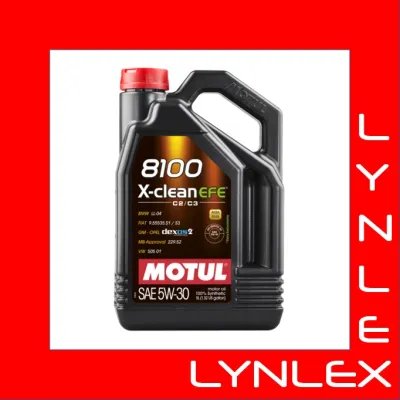
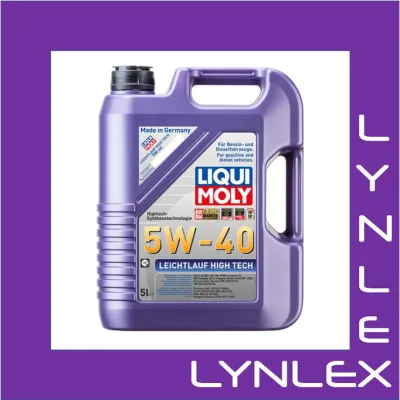
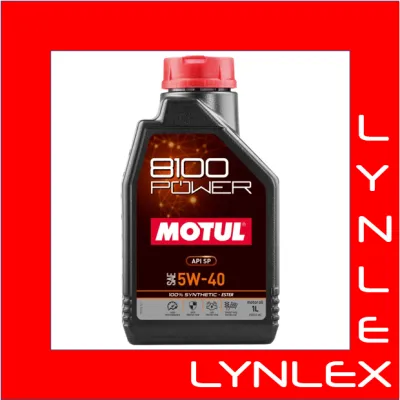
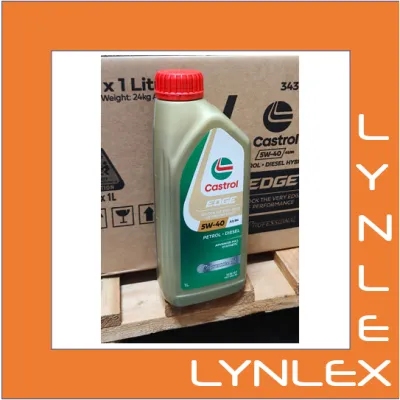
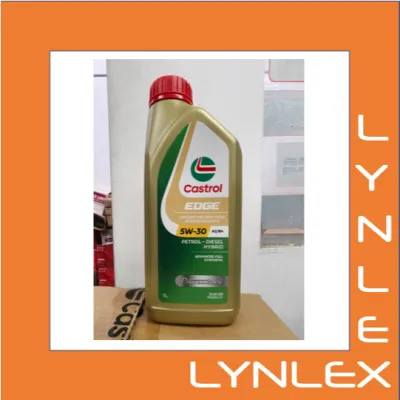
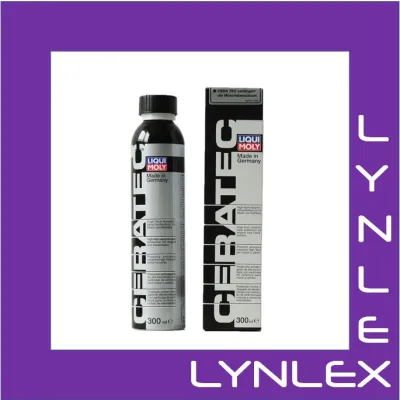
Prices are valid at publication and may change. Please refer to the product page for the latest price.
In addition to viscosity, you must identify the required performance standards, such as API (American Petroleum Institute) or JASO (Japanese Automotive Standards Organization) classifications. Using an oil that meets these exact specifications is critical to prevent engine wear and clutch slippage. Never substitute passenger car motor oil for motorcycle oil, as car oils contain friction modifiers that can cause motorcycle wet clutches to slip, leading to poor power transfer and accelerated clutch wear.
Evaluate Riding Conditions and Tropical Climate Factors
Singapore’s tropical climate presents unique challenges for motorcycle engines. With ambient temperatures regularly exceeding 30 degrees Celsius, engines run hotter than they would in temperate zones. This consistent external heat reduces the rate at which the engine can shed warmth, placing a higher thermal load on the engine oil. Over time, extreme heat can cause oil to thin out excessively, reducing its ability to keep moving metal parts separated.

Your daily riding routine also plays a significant role in oil temperature. Commuting through congested city areas involves frequent idling and low-speed acceleration, which limits airflow across the engine. This stop-and-go pattern causes rapid heat buildup, especially in air-cooled engines that rely entirely on vehicle movement for cooling. Liquid-cooled engines manage these temperature spikes better, but still experience increased thermal stress during prolonged traffic delays, which can accelerate the breakdown of the oil’s protective additives.
When evaluating viscosity options, refer to the temperature-viscosity chart in your owner’s manual to see if a slightly higher high-temperature rating (the number after the “W”) is permitted for hot climates. For example, if your manual lists both 10W-30 and 10W-40 as acceptable options depending on ambient temperature, the higher viscosity grade may offer better film strength under Singapore’s high operating temperatures. However, you must stay strictly within the manufacturer’s approved range to avoid oil starvation or excessive internal drag.
Select the Correct Lynlex Viscosity and Specification
Once you know your motorcycle’s baseline requirements, you can select the appropriate Lynlex product. The first step is to distinguish between scooter and manual motorcycle requirements. Scooters with automatic continuously variable transmissions (CVTs) require oils meeting the JASO MB specification, which contain friction modifiers to improve fuel economy. Manual motorcycles with wet clutches require JASO MA or JASO MA2 oils, which provide the necessary friction to prevent clutch slippage. Using a JASO MB oil in a manual motorcycle can cause severe clutch slippage and damage.
Check the back label of the Lynlex bottle to verify the JASO certification and the SAE viscosity grade. Ensure the product matches the exact specification required by your motorcycle’s manufacturer. If your manual specifies a JASO MA2 oil with a 10W-40 viscosity, verify that both of these markings are clearly printed on the Lynlex packaging before purchasing. Additionally, check for other manufacturer-specific approvals if your motorcycle brand requires them.
Avoid the common misconception that choosing an exceptionally thick oil, such as a 20W-50, always provides protection in hot weather. If your engine is designed for a thinner oil like 10W-30, using an excessively thick oil can restrict oil flow through narrow internal passages. This restriction reduces lubrication during startup, increases internal drag, lowers fuel efficiency, and can actually cause the engine to run hotter due to increased friction. Always prioritize the manufacturer’s recommended viscosity range over general assumptions about oil thickness.
Inspect Your Current Oil and Determine Change Intervals
Maintaining your motorcycle’s engine health requires regular oil inspections and timely replacements. Check your oil level weekly using the dipstick or sight glass while the motorcycle is parked on a level surface. The oil level should always sit between the minimum and maximum indicators; low oil levels accelerate thermal degradation and increase the risk of engine damage. When checking the level, ensure the motorcycle is upright and not resting on its side stand, as this will give an inaccurate reading.
During your inspection, observe the color and consistency of the oil. Fresh oil is typically amber and semi-transparent, while degraded oil becomes dark brown or black and may feel gritty between your fingers. If you notice a milky appearance, this indicates coolant contamination, while a strong smell of gasoline suggests fuel dilution. Both conditions require immediate professional inspection and an oil change. Riding with contaminated oil can lead to engine failure.
Follow the maintenance schedule outlined in your owner’s manual to determine your oil change intervals. Manufacturers usually provide two schedules: one for normal riding conditions and another for severe conditions. Because of Singapore’s high ambient temperatures and frequent stop-and-go city riding, most local commutes fall under the severe service category, which requires more frequent oil and filter changes. Regularly replacing your oil filter is just as important as changing the oil, as a clogged filter restricts oil flow.
If you experience unusual engine noises, difficulty shifting gears, or a noticeable drop in performance, stop riding immediately. These symptoms can indicate oil starvation or severe oil breakdown. Consult a qualified mechanic to diagnose the issue before operating the motorcycle again. Taking proactive steps to address oil issues early can save you from costly engine repairs down the road.
Frequently Asked Questions (FAQ)
Can I mix different Lynlex viscosity grades in an emergency?
Mixing different oil viscosities should only be done as a temporary measure in an emergency when your oil level is dangerously low. While mixing two compatible multi-grade oils will not cause immediate engine failure, it alters the overall viscosity and can compromise the oil’s performance characteristics. You should perform a complete oil and filter change as soon as possible after topping up with a different viscosity grade to restore optimal protection.
Does a higher viscosity oil provide better protection in hot weather?
A higher viscosity oil only provides better protection if it falls within the range approved by your motorcycle’s manufacturer. Modern multi-grade oils are formulated with shear-stable polymers that maintain an adequate lubricating film even at high operating temperatures. Exceeding the manufacturer’s recommended viscosity grade can restrict oil circulation, increase engine operating temperatures, and cause unnecessary wear on internal components.
How do I know if my motorcycle needs a synthetic or mineral Lynlex oil?
Refer to your owner’s manual to see if the manufacturer specifies a synthetic, semi-synthetic, or mineral oil. If the manual allows multiple options, consider your riding habits and budget. Synthetic oils offer superior thermal stability and resistance to oxidation, making them highly suitable for high-performance engines, long commutes, and the extreme heat of stop-and-go traffic in tropical climates. Mineral oils are often sufficient for older, low-displacement engines with shorter service intervals.

Community discussion
Share your experience or ask a question. Comments are reviewed before publication.