
Choosing the right front windshield sun shade requires matching the accessory to your vehicle’s exact model, production year, and interior sensor configuration. In tropical climates like Singapore, where parked vehicles endure intense solar radiation and rapid cabin heat buildup, a loose-fitting shade allows thermal energy to bypass the barrier and heat up the interior. Selecting a custom-fit option, such as those designed by Jowua, ensures that the shade hugs the glass tightly, leaving no gaps for light to penetrate. By focusing on precise vehicle compatibility, material specifications, and daily usability, you can protect your car’s cabin electronics and upholstery from heat degradation.
Why Exact Car Model Matching is Critical for Heat Rejection
Universal-fit sun shades often rely on generic dimensions that fail to cover the complex curves and angles of modern windshields. When a shade is too small, significant gaps remain around the A-pillars and rearview mirror, allowing direct sunlight to stream in and create localized hot spots. Conversely, an oversized shade will bunch up, warp, or collapse under its own weight, rendering it ineffective and potentially damaging delicate interior trim. Custom-molded shades are engineered to match the exact perimeter of specific windshields, ensuring edge-to-edge coverage that blocks maximum solar radiation.
Beyond thermal performance, a secure fit is essential for safety and physical stability. A collapsing sun shade can suddenly fall while the vehicle is parked, potentially obstructing your view when you return to the driver’s seat or damaging mounted accessories like dashcams and toll transponders. Custom-fit shades utilize the vehicle’s sun visors or integrated tension frames to remain firmly in place without slipping. This structural integrity is particularly important in high-temperature environments where materials tend to soften and lose their rigidity over time.
Products mentioned in this guide
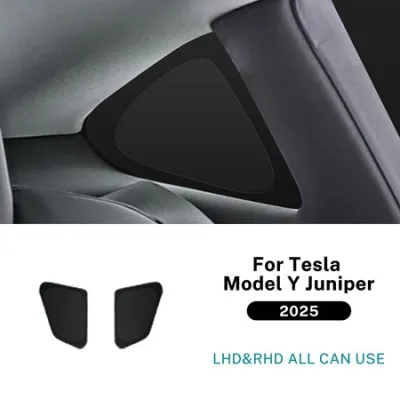
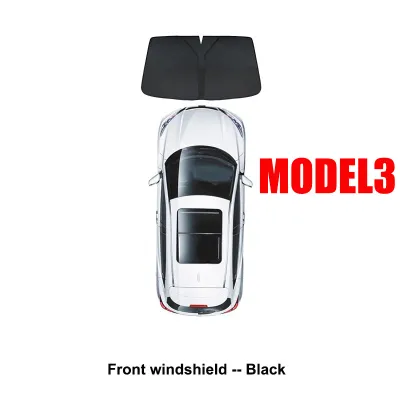
Prices are valid at publication and may change. Please refer to the product page for the latest price.
To ensure a precise fit, car owners must rely strictly on the manufacturer’s official vehicle compatibility list rather than visual estimates or generic category descriptions. Windshield dimensions can change significantly between vehicle generations, and even minor mid-cycle refreshes can alter the shape of the rearview mirror housing or sensor console. Verifying the exact model code and production year against the manufacturer’s database prevents the inconvenience of purchasing an incompatible accessory that fails to provide adequate coverage.
How to Evaluate Material and Coverage Specifications
When selecting a sun shade, evaluating the material composition is just as important as verifying the physical dimensions. High-quality shades typically feature a multi-layer construction designed to reflect, absorb, and dissipate heat. The outermost layer should consist of a highly reflective material, such as a metallic or specialized silver coating, which bounces incoming solar radiation back through the glass. Beneath this reflective surface, insulating layers work to slow down the transfer of heat into the cabin, keeping the interior temperature manageable.

To verify these material claims, look for official product packaging, user manuals, or manufacturer specifications that detail UV-blocking capabilities and thermal resistance. Certifications or laboratory test ratings, when provided by the manufacturer, offer objective proof of a shade’s ability to block harmful ultraviolet rays that degrade dashboard plastics and leather upholstery. In Singapore’s relentless tropical climate, prolonged exposure to UV radiation can cause modern digital displays, steering wheel covers, and synthetic materials to crack, fade, or malfunction prematurely.
Full-coverage, edge-to-edge designs are specifically engineered to safeguard these sensitive electronic components. Modern vehicles increasingly feature large infotainment screens and digital instrument clusters positioned close to the windshield, making them highly vulnerable to direct sunlight. A sun shade that fits snugly against the glass prevents these displays from reaching extreme temperatures that could lead to processor throttling or screen delamination. Additionally, verifying the structural rigidity of the shade’s frame—such as the use of high-tensile steel or reinforced composite borders—ensures that the accessory will maintain its shape and reflective properties through years of daily folding and unfolding.
Step-by-Step Guide to Verifying Vehicle Compatibility
To guarantee a seamless fit, follow a systematic approach to verify compatibility before making a purchase. Start by locating your vehicle’s exact production year, trim level, and specific windshield sensor configurations. This information can typically be found in your vehicle registration log, owner’s manual, or on the manufacturer’s door jamb placard. Pay close attention to the area surrounding the rearview mirror, as modern vehicles often house advanced driver assistance systems (ADAS), rain sensors, and front-facing cameras in this region, which can vary significantly even within the same model year.
Once you have documented your vehicle’s precise specifications, cross-reference them with the brand’s official fitment guide or authorized retailer listings. Do not rely on broad category terms like “sedan” or “SUV,” as these do not account for the unique windshield geometries of individual models. If your vehicle is an electric vehicle or a highly digitized model, check if the sun shade manufacturer offers model-specific variants tailored to the unique glass roof and windshield designs of those platforms.
Next, identify any potential physical conflicts with aftermarket modifications installed on your vehicle. For instance, thick window tinting films, aftermarket dashcams, or oversized toll collection units (such as Singapore’s On-Board Unit or ERP transponders) can alter the clearance around the windshield perimeter. If you have a dashcam mounted directly behind the rearview mirror, measure its clearance to ensure the sun shade’s cutout can accommodate the camera without bending the frame or putting pressure on the lens. Additionally, check if the shade’s edges will rub against delicate tinted films, which could cause peeling or scratching over time.
Assessing Daily Usability: Installation and Storage
A sun shade is only effective if it is convenient enough to use every time you park. When evaluating daily usability, compare the attachment mechanisms of different designs. Traditional sun shades often rely on suction cups, which frequently lose suction and fall off when exposed to intense heat, leaving unsightly rings on the glass. Modern custom-fit shades typically employ a friction-fit frame that wedges securely into the windshield border, or utilize the vehicle’s built-in sun visors to hold the shade in place. Some advanced designs feature magnetic attachment systems or flexible steel wire frames that pop into place instantly, offering a secure hold without damaging the interior trim.
Storage convenience is another critical factor to consider, especially in vehicles with limited cabin space. Before purchasing, check the folded dimensions of the sun shade and verify where it can be stored when not in use. A high-quality shade should fold down compactly into a circular or rectangular shape that fits easily into the glovebox, door pockets, seatback pockets, or the trunk. For electric vehicles, check if the folded shade can be stored in the front trunk (frunk) or sub-trunk compartments to keep the main cabin clutter-free.
Finally, review the manufacturer’s care and maintenance instructions to ensure the shade’s longevity. Over time, dust, fingerprints, and condensation can accumulate on the reflective surface, potentially reducing its thermal efficiency. Understanding how to clean and store the shade properly will prevent the reflective coating from flaking or degrading. Always store the shade in its designated protective sleeve when not in use to shield it from accidental punctures, dirt, and prolonged exposure to cabin humidity when stored in door pockets.
Frequently Asked Questions (FAQ)
Will the shade interfere with my dashcam or rain sensor?
Most custom-fit sun shades, including those designed for modern electric vehicles, feature a dedicated cutout or a flexible fabric section around the rearview mirror area to accommodate factory-installed rain sensors and camera housings. However, aftermarket dashcams or toll transponders mounted outside the standard console area may still conflict with the shade. Before installing, inspect the shade’s cutout design to ensure it provides sufficient clearance for your specific camera setup. Always consult both your vehicle’s owner’s manual and the sun shade’s installation instructions to avoid placing physical pressure on sensitive sensors or camera lenses, which could misalign your driver assistance systems.
How should I clean the reflective surface safely?
To maintain the high reflectivity and structural integrity of your sun shade, clean the surface periodically using a soft, dry microfiber cloth to gently wipe away dust, fingerprints, and light debris. If the shade requires a deeper clean, use a slightly damp microfiber cloth with plain water, ensuring the material dries completely before you fold and store it. Avoid using harsh chemical cleaners, ammonia-based glass sprays, or abrasive sponges, as these substances can strip away the specialized UV-reflective coatings and degrade the synthetic fabrics. Never machine wash or submerge the sun shade in water, as this can damage the internal structural frame and insulation layers.

Community discussion
Share your experience or ask a question. Comments are reviewed before publication.