
Selecting the right microfiber cloth depends on matching the fabric’s weave, weight, and edge design to the specific detailing task. Gyeon offers a structured range of microfiber towels designed for drying, polishing, interior cleaning, and glass care. Matching the correct towel to the job prevents paint marring, ensures streak-free glass, and maximizes product efficiency.
Using the wrong cloth can lead to micro-scratching, incomplete product removal, or frustrating linting. By understanding how different microfiber characteristics interact with your vehicle’s surfaces, you can achieve professional-grade results while protecting your car’s delicate clear coat.
Understanding How Weave and Weight Dictate Cloth Performance
To make an informed choice, you must first understand how fabric weight and weave patterns dictate a cloth’s performance. Microfiber weight is typically measured in grams per square meter (GSM). Generally, towels with a higher fabric weight feature longer, plusher loops that create a larger surface area. This physical structure allows them to absorb and hold significant volumes of water, making them the ideal choice for drying tasks.
Products mentioned in this guide
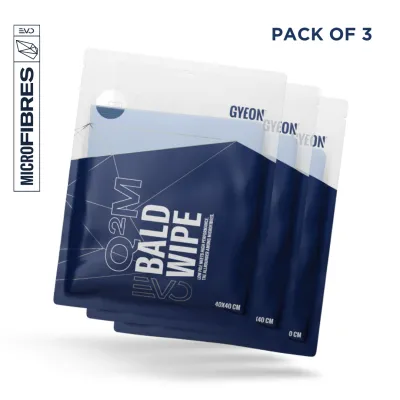
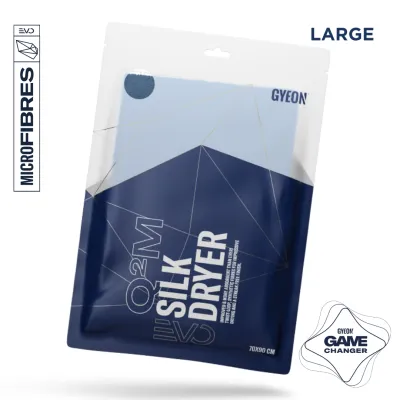
Prices are valid at publication and may change. Please refer to the product page for the latest price.
Conversely, towels with lower weights and shorter, tighter weaves are designed to generate the precise level of friction needed to cut through cured wax residues, level ceramic coatings, and buff away polishing compounds without dragging or leaving lint behind. These shorter fibers provide a more direct bite on the surface, which is necessary for clean product removal.
However, visual thickness alone can sometimes be misleading. Some modern weaves, such as twisted-loop designs, can be highly absorbent while remaining relatively thin and lightweight. Because of these engineering variations, you should always check the product labels and manufacturer packaging to verify the intended use of each cloth. Relying on a visual inspection alone might lead you to use an aggressive, short-pile cloth on soft, delicate paintwork, or a plush drying towel for a task that requires a tighter, more focused bite.
Selecting Highly Absorbent Towels for Exterior Drying
When drying your vehicle’s exterior, the primary goal is to remove standing water quickly while minimizing friction against the paintwork. In tropical climates like Singapore, where high humidity and intense sun can cause water to evaporate rapidly and leave stubborn mineral spots, efficient drying is even more critical. To safely lift water from wet paint, you need highly absorbent towels featuring twisted-loop or thick, plush weaves. These specialized structures are designed to trap large volumes of water instantly and safely encapsulate any microscopic surface dirt that survived the wash process, keeping it away from the clear coat.

The edges of a drying towel are just as important as the face. Standard stitched edges can be abrasive and may cause fine scratches or marring on delicate clear coats as you pull the towel across the panels. To prevent this, look for towels with edgeless designs or those finished with soft silk or suede borders. While investing S$15 to S$40 in a high-quality drying towel might seem like a premium choice, it is a cost-effective way to safeguard your vehicle’s finish from expensive paint correction.
Before using a new drying towel for the first time, always check the manufacturer’s specified absorbency capacity and washing instructions. Pre-washing your drying towels is highly recommended, as it primes the fibers, removes any manufacturing residues, and ensures the towel achieves its maximum absorbency from the very first wipe.
Choosing Medium-Pile Cloths for Polishing and Wax Removal
Removing cured sealants, waxes, or leftover polishing dust requires a cloth that can grab and lift residues without scratching the freshly polished surface. For these tasks, medium-pile cloths are the industry standard. The medium-length fibers provide the perfect balance of softness and bite, allowing the cloth to reach into the microscopic valleys of the paint to pull up oils and wax binders. Using a towel that is too plush can cause it to glide over the residue without leveling it, while a towel that is too flat may drag the particles across the paint, creating fine swirl marks.
When performing paint correction or applying protection, you must rotate your towels frequently. As a microfiber cloth becomes loaded with spent polish or wax, its ability to absorb more residue drops significantly. Continuing to use a saturated towel will simply smear the product across the panel, making removal more difficult and increasing the risk of marring. Keep a stack of clean, medium-pile towels on hand and fold them into quarters, flipping to a fresh face for every panel.
Additionally, always verify that your selected cloth is approved for use with the specific chemical coatings, solvents, or heavy compounds you are applying, as some aggressive solvents can degrade certain synthetic fibers. Checking the product label ensures compatibility and prevents the towel fibers from breaking down during application.
Picking Low-Lint and Soft Weaves for Glass and Interiors
Interior surfaces and glass present a completely different set of challenges that require low-lint, tight-weave microfiber options. For glass cleaning, standard plush towels are highly prone to leaving behind tiny lint fibers and streaks that become highly visible under direct sunlight or oncoming headlights. Instead, opt for waffle-weave or ultra-short-pile cloths. The unique pockets of a waffle-weave towel trap glass cleaner and dirt, allowing for a streak-free finish with minimal effort.
Inside the cabin, modern vehicles feature a mix of sensitive materials, including infotainment screens, piano black plastics, and delicate leather surfaces. These areas are highly susceptible to scratching and require ultra-soft, non-abrasive textures. Before cleaning any electronic screens or specialized interior trim, always consult your vehicle manufacturer’s manual for specific care instructions and approved cleaning agents. Ensure that any detailing sprays or interior cleaners you use are label-authorized for these surfaces.
Finally, never use heavily soiled exterior towels on delicate interior surfaces. Cross-contamination from brake dust, road grime, or exterior sealants can permanently stain leather or scratch sensitive plastics. Keep your interior microfiber collection strictly separated in dedicated storage bins to maintain their cleanliness.
Washing and Maintaining Your Microfiber Collection
To preserve the performance of your microfiber collection, prevent paint damage, and extend the lifespan of your investment, establishing a proper washing and maintenance routine is essential. New microfiber towels should always be washed before their first use. This initial wash removes any loose fibers, dust, or chemical residues left over from the manufacturing and packaging processes, ensuring the towels are fully primed and safe for your paint.
When laundering your towels, always separate them by the tasks they perform. Washing a towel used for cleaning dirty wheels or exhaust tips alongside your premium drying towels is a recipe for disaster, as heavy road grime, grease, and metallic brake dust can easily transfer and become permanently embedded in your paint-safe towels. Use a dedicated microfiber wash detergent, and strictly avoid the use of fabric softeners or bleach. Fabric softeners coat the microscopic polyester and polyamide fibers with a chemical film, completely destroying their absorbency and static charge.
Finally, dry your towels on a low-heat setting or hang them to air dry in a clean, dust-free environment. High heat can melt the delicate synthetic fibers, turning a soft, safe towel into a rough, scratchy cloth that will ruin your vehicle’s finish. Always follow the specific care labels on each product to ensure proper maintenance.
Frequently Asked Questions (FAQ)
Can I use the same cloth for both wheels and painted surfaces?
No, you should never use the same microfiber cloth for both wheels and painted body panels. Wheels accumulate highly abrasive metallic brake dust, road salt, and heavy road grime. Even after a thorough wash cycle, microscopic metallic particles can remain trapped deep within the microfiber loops. If you subsequently use that same towel on your vehicle’s delicate clear coat, these embedded particles will act like sandpaper, causing severe scratching and swirl marks. To prevent this dangerous cross-contamination, color-code your microfiber collection or use physical markings to ensure wheel and exhaust towels are kept completely separate from your paint and interior cloths.
How do I know when a microfiber cloth needs to be replaced?
Microfiber cloths do not last forever, and using a degraded towel can put your paintwork at risk. You can identify a worn-out cloth by looking for clear physical signs of degradation, such as fibers that feel stiff or scratchy to the touch, a noticeable loss of water absorbency, frayed edges, or lingering chemical odors that do not wash out. Once a premium towel loses its softness, it is no longer safe for delicate exterior paint or sensitive interior plastics. Instead of throwing them away immediately, you can repurpose these degraded towels for less sensitive, heavy-duty tasks like cleaning engine bays, door jambs, or undercarriage components.

Community discussion
Share your experience or ask a question. Comments are reviewed before publication.