
Selecting the ideal GEMSCO sun shade for your vehicle requires a systematic approach that balances your daily parking environment, specific cabin coverage needs, and the physical dimensions of your car’s glass panels. In regions with intense, year-round solar exposure, such as Singapore, interior cabin temperatures can escalate rapidly when a vehicle is parked in open-air lots. To mitigate this heat buildup and protect sensitive interior components, you must evaluate whether your primary goal is dashboard preservation, rear passenger comfort, or complete cabin insulation. By understanding the structural differences between windshield, side window, and sunroof shades within the GEMSCO auto accessory range, and by cross-referencing your vehicle’s exact measurements with official sizing guides, you can secure a precise fit that maximizes thermal performance and daily convenience.
Identify Your Primary Solar Protection Needs
Determining which areas of your vehicle require the most protection depends heavily on your daily driving habits and where you park. Vehicles left in open-air HDB car parks or uncovered industrial estates face prolonged exposure to intense overhead sunlight. This direct exposure subjects the dashboard, steering wheel, and front seats to extreme thermal stress, which can lead to premature fading, leather cracking, and localized warping of plastic components over time. If your primary routine involves parking outdoors for several hours during peak daylight, prioritizing a high-quality front windshield shade is essential to shield these high-contact surfaces.
While front windshield protection is critical for preserving the vehicle’s structural integrity, rear passenger comfort and privacy require a different approach. Side windows and rear glass panels are major entry points for lateral solar radiation, which directly impacts passengers in the back seat, particularly infants and young children who are highly sensitive to glare and heat. If you frequently travel with family or carry heat-sensitive cargo in the rear, investing in dedicated side window shades will significantly reduce lateral glare and help maintain a more consistent, comfortable cabin temperature while the vehicle is in motion.
Products mentioned in this guide
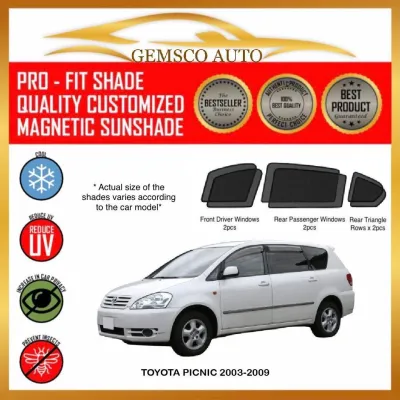
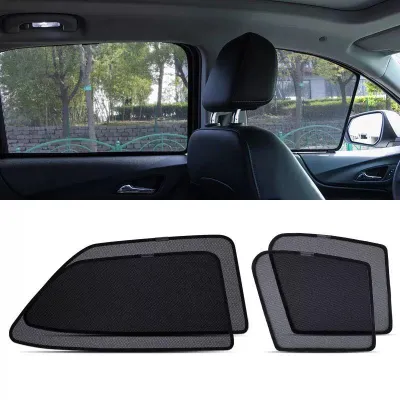
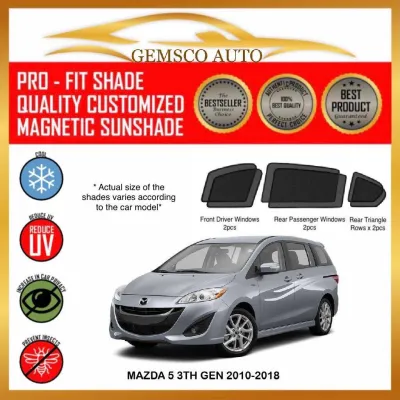
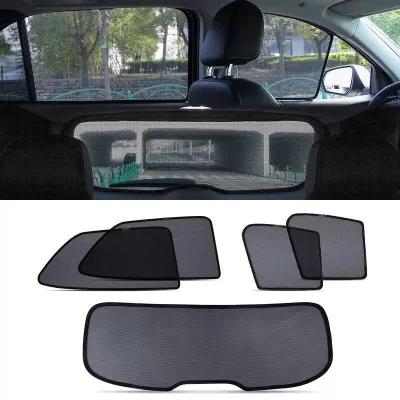
Prices are valid at publication and may change. Please refer to the product page for the latest price.
Your parking environment also dictates the level of thermal management your vehicle requires. Drivers who primarily use sheltered multi-storey car parks or basement garages may only need lightweight, easily deployable shades for occasional outdoor trips. Conversely, those who park in unshaded areas daily will benefit from a comprehensive, multi-panel shading strategy. By assessing whether you need localized protection for the front cabin, enhanced comfort for rear passengers, or complete overhead insulation for a panoramic sunroof, you can target your budget toward the specific shade configurations that offer the greatest practical utility.
Match Shade Types to Your Coverage Areas
The GEMSCO automotive accessory range offers several distinct structural designs, each tailored to specific glass panels and usage scenarios. For the front windshield, the three primary configurations are foldable accordion shades, retractable roller blinds, and umbrella-style expandable frames. Accordion-style shades are highly durable and offer excellent coverage, though they can be bulky to store when folded. Retractable roller blinds offer the convenience of semi-permanent mounting, allowing you to pull them across the glass quickly, though they may leave small gaps along the curved edges of the windshield.

Umbrella-style expandable shades have become increasingly popular due to their compact storage footprint and rapid deployment mechanism. These shades open much like a standard personal umbrella, utilizing a tensioned metal frame to press the reflective fabric flat against the windshield glass. When folded, they easily fit into a glove compartment or door pocket, making them an excellent choice for compact sedans and hatchbacks where interior storage space is limited. However, when selecting an umbrella-style shade, you must ensure the central shaft and handle do not put undue pressure on your vehicle’s center console or infotainment screen.
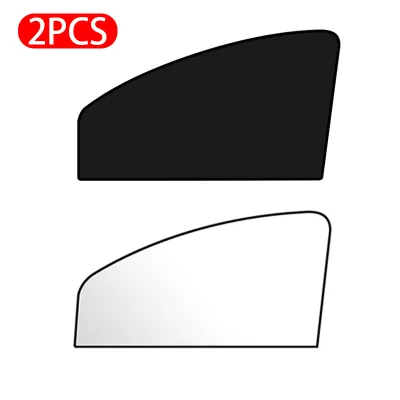
For side windows, the options generally split between static cling films, magnetic mesh screens, and pull-down roller shades. Static cling options adhere directly to the glass without adhesives, providing a clean look, but they must be removed if you wish to roll down the window. Magnetic mesh screens are highly practical as they snap directly onto the metal frame of the car door. This design allows you to roll the window down fully for ventilation while keeping the shade in place to block insects and direct sunlight. Pull-down roller options attach via suction cups or clips, offering adjustable coverage at the cost of slightly more mechanical complexity.
Overhead glass panels, such as panoramic sunroofs, present a unique thermal challenge, especially in modern electric vehicles. Because sunroofs are positioned directly beneath the sun’s path, they can radiate a continuous column of heat into the cabin. Specialized sunroof shades, often featuring a rigid, collapsible wire frame wrapped in reflective or high-density mesh fabric, are designed to wedge securely into the sunroof recess. These shades provide a crucial barrier against overhead thermal radiation, helping to reduce the workload on your vehicle’s air conditioning system and improve overall energy efficiency.
Verify Sizing and Fitment for Your Vehicle
Achieving a precise fit is the most critical factor in ensuring a sun shade performs effectively. A shade that is too small will leave gaps, allowing concentrated beams of sunlight to penetrate the cabin and create localized hot spots. Conversely, an oversized shade will sag, buckle, or fail to stay in place, rendering it highly inconvenient to use. Before browsing product listings, you should manually measure the exact width and height of your target glass panels using a flexible measuring tape. For windshields, measure along the interior surface of the glass, taking note of the slope and any curvature near the pillars.
When measuring the front windshield, pay close attention to potential obstructions around the upper center portion of the glass. Modern vehicles are frequently equipped with large rearview mirror assemblies, rain sensors, dashcams, and Advanced Driver Assistance Systems (ADAS) camera housings. A quality sun shade must feature a dedicated cutout or a flexible hook-and-loop strap at the top to accommodate these components. Forcing a rigid shade against an ADAS camera housing can misalign the sensitive sensors or damage delicate mounting brackets, which could compromise your vehicle’s safety systems.
To simplify the selection process, manufacturers often categorize their products into universal sizes (such as Small, Medium, Large, and Extra-Large) or offer vehicle-specific custom molds. While universal fit claims are convenient, they are approximations based on general vehicle classes like compact cars, SUVs, or MPVs. You should always cross-reference your physical measurements with the manufacturer’s detailed sizing charts rather than relying solely on generic category labels. If your vehicle features highly raked or unusually shaped glass, a custom-molded shade designed specifically for your model year will provide the most seamless coverage and eliminate light leaks.
Evaluate Material and Daily Usability Features
The thermal performance of a sun shade is directly tied to its material composition. High-performance shades typically utilize a multi-layer construction featuring an outer reflective layer, a thermal barrier middle layer, and a non-abrasive inner backing. Reflective outer layers, often made from metallic polyester or aluminum foil coatings, are designed to bounce solar radiation back through the glass before it can be absorbed by the cabin. This reflective mechanism is highly efficient at keeping interior surfaces cool. Absorptive materials, such as dark mesh or fabric, are excellent for reducing glare and visible light transmission, making them ideal for side windows where maintaining outward visibility is still necessary.
Daily usability is another crucial factor that determines whether you will actually use the shade consistently. A shade that is difficult to unfold, install, or pack away will quickly become a source of frustration, leading to it being left in the boot. Consider the deployment mechanism that best fits your routine. If you make frequent short trips with multiple stops, a quick-deploying magnetic side shade or an umbrella-style front shade will save valuable time. For long-term parking, a heavier, highly insulated accordion shade may be preferred for its superior thermal barrier properties, despite taking slightly longer to set up.
Additionally, inspect the build quality and structural integrity of the shade before making a final decision. Look for robust edge binding that prevents the fabric from fraying over time, as well as a resilient internal frame that resists warping under extreme cabin heat. Cheaply constructed wire frames can lose their tension after a few months of exposure to high temperatures, causing the shade to sag and slip out of position. The inner surface of the shade should also feature a soft, non-scratch texture to prevent any accidental scuffing of your dashboard leather, plastic trim, or aftermarket window tint films.
Final Pre-Purchase Checklist and Verification
Before finalizing your purchase, take a moment to perform a thorough verification check to ensure you receive an authentic product that fits your vehicle perfectly. Start by cross-referencing the specific model numbers, dimensions, and material specifications on the official GEMSCO website or through authorized local automotive accessory retailers. This step is particularly important if you are purchasing online, as it helps confirm that the product listing matches the latest production standards and sizing updates for your specific vehicle model year.
It is highly recommended to purchase from retailers that offer clear return and exchange policies. Even with careful measurements, minor variations in interior trim, aftermarket dashcam mounts, or custom rearview mirrors can occasionally interfere with the fit of a universal shade. Having the flexibility to exchange the product for a different size ensures you are not left with an unusable accessory. Be cautious of unverified third-party listings on general online marketplaces that offer unusually low prices, as these products may lack genuine thermal insulation layers, proper UV-resistant coatings, or accurate sizing guides.
Finally, consider the overall value proposition of your investment. While basic wire-loop shades can be found for very low prices, investing S$30 to S$60 in a durable, well-engineered GEMSCO shade offers significantly better long-term protection for your vehicle’s interior. By shielding your dashboard, steering wheel, and electronics from extreme heat, a high-quality shade helps prevent costly cosmetic repairs and preserves your vehicle’s resale value over time. Complete your purchase by verifying that the package includes a dedicated storage bag to keep the shade clean and compact when not in use.
Frequently Asked Questions (FAQ)
Can I use a universal windshield shade for a car with a large curved glass?
Universal flat shades often struggle to conform to heavily curved or raked windshields, which can result in significant gaps along the outer edges and near the dashboard. These gaps allow sunlight to enter, reducing the overall thermal efficiency of the shade. If your vehicle has a highly contoured windshield, look for shades with flexible, overlapping edge designs or opt for a custom-fit model designed specifically for your vehicle’s glass profile to ensure complete coverage.
Do darker sun shades provide better heat rejection than reflective silver ones?
Not necessarily. While dark shades are highly effective at blocking visible light and reducing glare, they tend to absorb thermal energy rather than reflect it. This absorbed heat can eventually radiate inward, warming the cabin air. Reflective silver or metallic coatings are specifically engineered to bounce infrared radiation back out through the glass, making them significantly more effective at lowering interior temperatures than dark, non-reflective materials.
How should I clean and store the sun shade to prevent material degradation?
To maintain the integrity of the reflective coatings and internal frame, clean your sun shade by gently wiping it with a damp microfiber cloth and a mild, non-abrasive soap. Avoid using harsh chemical cleaners, bleach, or abrasive pads, as these can strip away the UV-resistant layers. Always allow the shade to dry completely before folding it along its original seams and storing it in its protective sleeve, away from direct moisture, to prevent mold and permanent creasing.

Community discussion
Share your experience or ask a question. Comments are reviewed before publication.