
Parking a vehicle under the relentless tropical sun can quickly turn the cabin into an oven. The front windshield, being the largest piece of glass on most vehicles, acts as a massive entry point for solar radiation, leading to rapid heat buildup and potential UV damage to your dashboard, steering wheel, and front seats. Selecting the right front windshield autoshade is one of the most practical and cost-effective ways to mitigate this heat, protect your interior surfaces, and ensure a more comfortable cabin when you return to your vehicle.
To make an informed purchase, you must evaluate several critical factors beyond just the price tag. Understanding the differences in fit types, material compositions, physical designs, and vehicle compatibility will help you select a shade that offers maximum thermal protection and daily convenience.
Determine the Correct Fit Type and Windshield Dimensions
When choosing an autoshade, the first major decision is whether to opt for a custom-fit model or a universal-fit alternative. Custom-fit shades are engineered specifically for a particular vehicle make, model, and production year. They are designed to hug the A-pillars, dashboard, and headliner perfectly, leaving virtually no gaps around the edges. This precise coverage minimizes light leaks and ensures that heat cannot easily bypass the barrier. However, custom-fit options are typically more expensive and cannot be easily transferred if you change vehicles.
Products mentioned in this guide
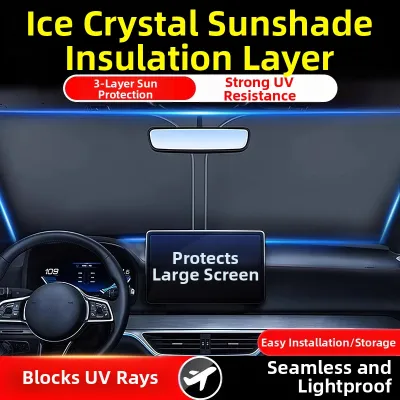
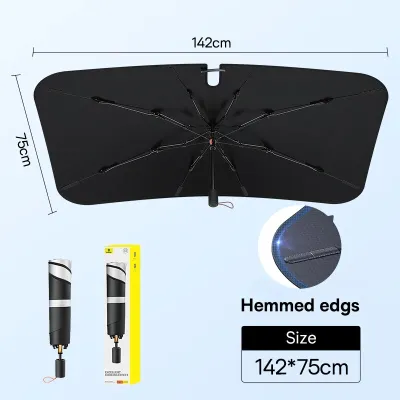
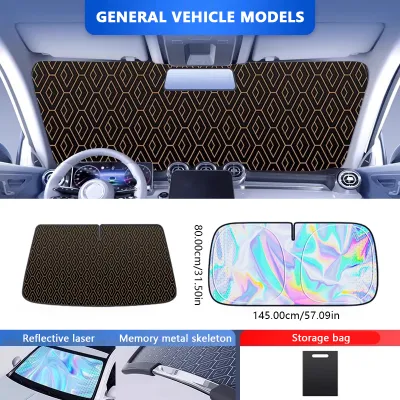
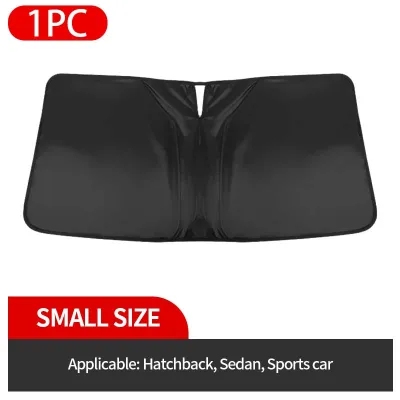
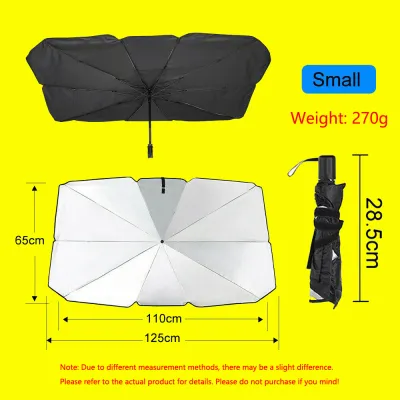
Prices are valid at publication and may change. Please refer to the product page for the latest price.
Universal-fit shades, by contrast, are manufactured in standard size categories such as small, medium, large, and extra-large. They rely on overlapping material or adjustable frames to accommodate a wide range of vehicles. While they are highly accessible, budget-friendly, and widely available across online marketplaces, they often leave small gaps near the edges or around the rearview mirror. These gaps allow direct sunlight to penetrate, creating localized hot spots on your interior trim.
To ensure a proper fit, you should never rely solely on generic vehicle compatibility lists. Instead, take physical measurements of your windshield using a flexible measuring tape. Measure the vertical height from the deepest part of the dashboard where it meets the glass up to the top edge near the headliner. Next, measure the horizontal width at the widest point, which is typically along the bottom edge near the hood line, and then at the narrowest point near the top.
Once you have these dimensions, cross-reference them with the manufacturer’s sizing charts. If your measurements fall between two universal sizes, it is generally safer to select the slightly larger size. This allows the excess material to overlap or tuck securely along the edges, provided the shade’s frame is flexible enough to bend without buckling or collapsing.
Evaluate Materials for Heat Reflection and UV Protection
The material composition of an autoshade directly determines its ability to block heat and resist degradation from constant sun exposure. Reflective foil shades are among the most common designs, utilizing a shiny, metallic outer layer laminated over a bubble-wrap or closed-cell foam core. This structure works by bouncing radiant heat away from the glass before it can enter the cabin, while the internal air pockets or foam layers act as a thermal barrier to slow down heat conduction.

Fabric shades are typically constructed from high-density polyester or nylon, often treated with a silver reflective coating on the outward-facing side. These shades are highly flexible, lightweight, and easy to fold, making them a popular choice for drivers with limited storage space. However, thin fabric shades may absorb slightly more heat than thick, multi-layered foil options, depending on the quality of the reflective coating.
Mesh shades are another category, but they are designed primarily to block direct glare while driving rather than to prevent heat buildup while parked. Because mesh material is semi-transparent and allows air and light to pass through, it is generally unsuitable for front windshield parking protection. For maximum heat mitigation, stick to solid reflective foil or coated fabric options.
To verify the UV protection capabilities of a shade, check the product packaging or manufacturer specifications for an explicit Ultraviolet Protection Factor (UPF) rating. A high UPF rating, such as UPF 50+, indicates that the material blocks a significant portion of harmful UVA and UVB rays. This protection is vital for preventing your leather seats from drying out, your dashboard from cracking, and your interior plastics from fading over time.
Additionally, consider the material’s thickness and folding memory. Thicker, multi-layered shades offer better thermal insulation but can be bulkier to store. Folding memory refers to the material’s ability to return to its flat, rigid state when deployed. High-quality shades maintain their structural integrity over hundreds of folding cycles, whereas cheaper materials may sag in the middle under intense heat, reducing their overall effectiveness.
Compare Design Styles for Daily Convenience and Storage
An autoshade is only useful if you actually deploy it every time you park. Therefore, the physical design and ease of use should align with your daily routine and cabin storage capacity. Accordion-fold shades feature rigid panels that fold flat against one another along pre-creased lines. They are incredibly quick to deploy and pack away, and their rigid structure prevents them from sagging over time. However, their storage footprint is relatively long and flat, which can make them awkward to store in smaller vehicles when passengers are present.
Roll-up shades are made of flexible materials that roll into a tight cylinder, usually secured by a built-in hook-and-loop strap. They are highly durable because they lack folding seams that can wear out over time. The main drawback is that they can develop a “curl memory,” causing the edges to curl inward during installation, which can make positioning them against the glass somewhat frustrating.
Umbrella-style shades are a modern design that opens and closes much like a standard rain umbrella. They feature a fabric canopy supported by metal ribs and a central shaft that pops open to cover the windshield. When collapsed, they fit into a compact sleeve that can easily be stored in a door pocket or glove compartment. While highly convenient for compact cars, the mechanical joints and central shaft require careful handling to avoid scratching your dashboard or infotainment screen during deployment.
When evaluating these styles, consider your daily commuting habits. If you make multiple short stops throughout the day, a fast-deploying accordion or umbrella-style shade will save you time and effort. If you drive a compact hatchback or sedan with limited cabin space, a collapsible spring-wire fabric shade that twists into a small circle or an umbrella-style shade will be much easier to store out of sight.
Verify Vehicle Compatibility and Interior Safety Clearances
Modern vehicles are increasingly equipped with advanced technology mounted directly behind or near the front windshield. Before purchasing any autoshade, you must inspect this area to ensure the shade will not interfere with these sensitive components. Many modern cars feature large plastic housings behind the rearview mirror that contain rain sensors, automatic high-beam cameras, dashcams, and Advanced Driver Assistance Systems (ADAS).
Installing a rigid universal shade that does not have a dedicated cutout for the rearview mirror can put physical pressure on these sensor housings. This pressure can misalign safety cameras, strain windshield mounts, or trap excessive heat around sensitive electronics. Look for shades that feature a deep V-shape cutout or a flexible hook-and-loop strap at the top center to accommodate the mirror mount and sensor housing safely.
If the autoshade utilizes suction cups for mounting, consult your vehicle owner’s manual or your window film installer before use. Many vehicles have aftermarket window tinting films applied to the interior of the windshield. The localized heat concentration and physical pull of suction cups can sometimes cause the tint film to bubble, peel, or delaminate from the glass.
Finally, examine the edges and support frames of the shade. Rigid wire-frame shades rely on tension to stay in place against the windshield pillars. Ensure that these metal frames are fully wrapped in soft, durable fabric and that any exposed tips are capped with rubber. Constant friction from installing and removing a poorly protected frame can easily scratch soft-touch dashboard plastics, leather trim, or the delicate anti-reflective coatings on modern infotainment screens.
Step-by-Step Selection and Installation Checklist
To ensure you select the right autoshade and get the most out of its heat-blocking capabilities, follow this structured workflow:
- Measure Your Windshield: Use a flexible tape measure to record the height and width of your windshield at their widest points.
- Check for Technology Obstructions: Note the size of your rearview mirror housing, dashcams, and any ADAS camera enclosures to ensure the shade has an appropriate cutout.
- Select the Material: Choose a multi-layer reflective foil or a high-density coated fabric with a verified UPF rating for optimal thermal performance.
- Choose the Design Style: Select an accordion, roll-up, or umbrella-style mechanism that fits your daily storage preferences and cabin space.
- Verify Sizing: Cross-reference your physical measurements with the manufacturer's compatibility list or sizing chart before purchasing.
- Install Correctly: Place the shade against the windshield with the highly reflective silver side facing outward toward the sun to bounce away radiant heat.
- Secure the Shade: Lower both the driver and passenger sun visors fully to press the top edge of the shade securely against the glass.
- Fold and Store Properly: Always fold or roll the shade along its natural seams or mechanisms to prevent permanent creasing, which can weaken the material and cause it to sag over time.
Frequently Asked Questions (FAQ)
Does a darker autoshade block more heat than a reflective one?
No, a highly reflective silver or metallic surface is generally more effective at blocking heat than a dark-colored shade. Dark colors absorb solar radiation and convert it into heat, which then radiates directly into the cabin air. Reflective surfaces, on the other hand, bounce the radiant energy back out through the glass before it can be absorbed. Always check the manufacturer’s specifications for thermal performance details.
Can I leave the autoshade on the windshield while driving?
No, you must always remove the autoshade completely and store it securely before operating your vehicle. Driving with any object blocking your windshield is highly illegal and extremely dangerous, as it completely obstructs your forward visibility. Ensure the shade is stowed in a position where it will not slide under the pedals or distract you while driving.
How do I clean a reflective foil autoshade without damaging it?
To clean a reflective foil shade, check the product’s care label for specific manufacturer instructions. Generally, you should wipe the surface gently using a soft, damp microfiber cloth and a mild soap solution. Avoid using abrasive sponges, harsh chemical cleaners, or solvents, as these can strip away the delicate reflective coating and degrade the protective outer layers.

Community discussion
Share your experience or ask a question. Comments are reviewed before publication.