
To choose the right car sunshade, you must match your vehicle’s exact window dimensions with a shade design that suits your daily usage and parking environment. A properly fitted sunshade blocks intense tropical sunlight, protects interior materials from UV degradation, and keeps cabin temperatures manageable. Selecting the wrong size leads to annoying light gaps or a loose fit that constantly falls down, while choosing the wrong type can compromise safety by blocking your view or interfering with side airbags. By understanding how to measure your windows and evaluate different shade mechanisms, you can protect your vehicle’s cabin effectively.
Measure and Identify Your Window Dimensions
Accurately determining your vehicle’s glass dimensions is the first step toward finding a sunshade that fits securely. To measure your front windshield, sit inside the cabin rather than measuring from the outside, as the interior frame dimensions are slightly smaller due to trim and pillars. Use a flexible measuring tape to find the maximum height from the base of the windshield near the dashboard to the top edge near the headliner. Next, measure the maximum width from the left A-pillar to the right A-pillar along the bottom of the glass, and repeat this measurement along the top edge, as windshields are typically tapered.
Vehicle body styles significantly affect glass geometry and sunshade requirements. Sedans generally feature highly raked, sloped windshields that are wider but shorter, requiring a shade that can slide deep into the angle where the glass meets the dashboard. In contrast, SUVs and MPVs have more upright, taller windshields with a much larger surface area, which demands a taller shade with extra structural support to prevent sagging. Additionally, modern vehicles often have large sensor housings behind the rearview mirror for advanced driver assistance systems, which must be accounted for when measuring.
Products mentioned in this guide
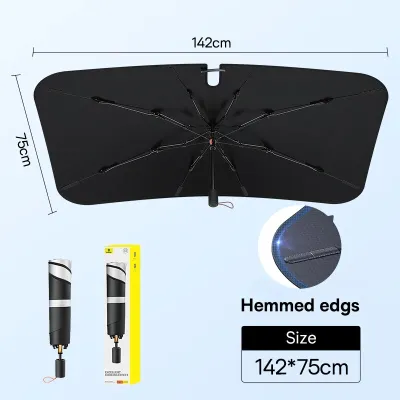
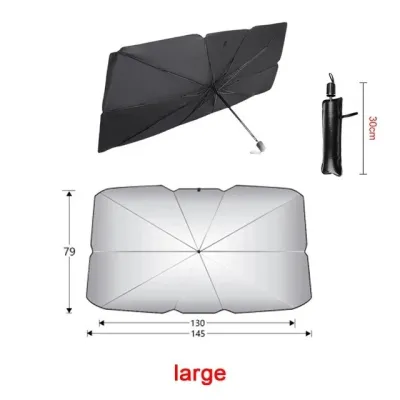
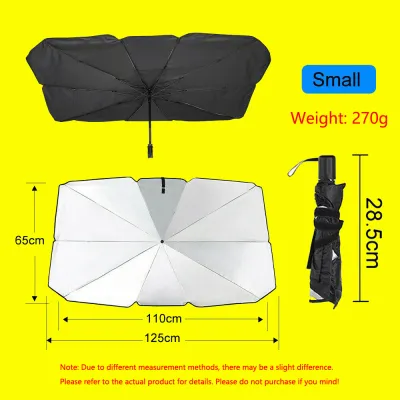
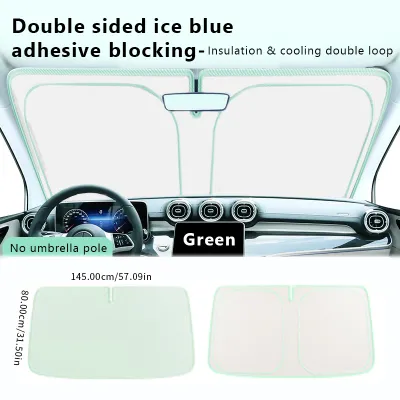
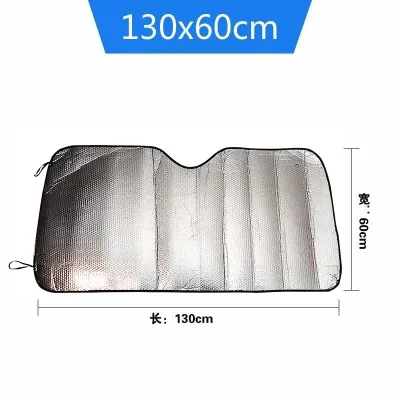
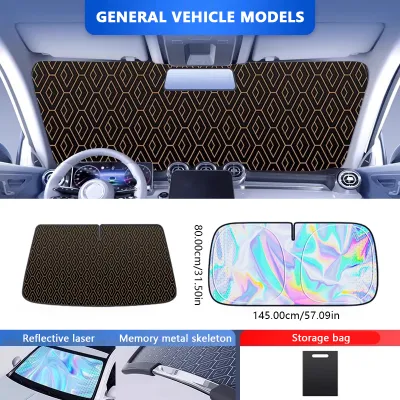

Prices are valid at publication and may change. Please refer to the product page for the latest price.
If physical measurement proves difficult due to the curvature of the glass, you can consult your vehicle owner’s manual or look up manufacturer specifications. Many accessory brands provide online compatibility databases where you can input your vehicle’s make, model, and year to find the exact glass dimensions. Verifying these dimensions beforehand ensures you do not purchase a shade that is too small to stay propped up or too large to fit within the interior frame.
Match Sunshade Types to Window Positions
Selecting the right sunshade mechanism depends heavily on which window you are covering and how quickly you need to deploy and store the shade. For the front windshield, foldable accordion-style shades are a traditional and highly durable option. Made of stiff materials like reflective foil laminated over bubble wrap, they provide excellent structural integrity and are easily held in place by folding down your car’s sun visors. However, they are relatively bulky and can be awkward to store in smaller cabins when passengers are present.

Twist-to-fold or spring-wire sunshades offer a highly compressible alternative for the front windshield. These shades use a flexible steel wire frame wrapped in reflective fabric, allowing you to twist them into a fraction of their open size for easy storage in seatback pockets. While they are highly convenient, they can sometimes feel flimsy and may require a bit of practice to fold quickly. Another modern option is the umbrella-style sunshade, which opens via a central shaft and rib structure. While extremely fast to deploy, you must ensure the central shaft does not press against or scratch delicate touchscreen infotainment systems on your dashboard.
Side windows require entirely different mechanisms that prioritize passenger comfort and driver visibility. Static cling shades use electrostatic force to adhere directly to the glass, making them easy to install and reposition without leaving sticky residue. Magnetic shades attach directly to the metal frame surrounding the window, allowing you to roll the window down for fresh air while keeping the shade in place. Mesh sleeves, or sock-style shades, slip over the entire door frame like a sleeve; they offer excellent shade and insect protection, but they can increase wind noise at high speeds and must be removed during heavy rain to prevent water from wicking into the cabin.
Rear windshield shades are crucial for protecting rear passengers and preserving leather upholstery from sun damage. When choosing a rear shade, ensure it is made of a perforated mesh material that reduces heat and glare without completely blocking your rearward visibility. The mounting mechanism must be exceptionally secure, using high-quality suction cups or clips, to prevent the shade from sliding down and obstructing your rearview mirror while driving.
Verify Fitment, Safety, and Material Specifications
Before finalizing your purchase, you must verify that the sunshade fits snugly against the window weatherstripping. Any gaps around the edges will allow sunlight to penetrate, creating localized hot spots and significantly reducing the shade’s overall cooling efficiency. A proper fit should cover the glass completely, with the sun visors or built-in mounting brackets holding the edges firmly against the window frame to prevent slipping.
When evaluating heat reflection and UV protection, rely strictly on verified manufacturer labels and product specifications rather than assuming performance based on appearance alone. Look for shades that specify a high Ultraviolet Protection Factor (UPF) rating, such as UPF 50+, which indicates that the material blocks a significant portion of harmful UV radiation. High-quality shades typically feature multi-layered construction, combining a highly reflective outer layer to bounce away sunlight, an insulating middle layer to block heat transfer, and a dark inner layer to absorb residual light.
Safety must remain your top priority when installing any interior accessory. Side and rear window shades must never obstruct the driver’s direct line of sight to the side mirrors or blind spots. Additionally, you must ensure that any shade mounted on or near the door pillars does not interfere with the deployment path of side curtain airbags. If you are using window-mounted shades, verify that they do not bind or overload the power window motor mechanisms when rolling the glass up or down, as this can cause mechanical damage over time.
Choose Between Custom-Fit and Universal Sizes
Deciding between a custom-fit and a universal sunshade depends on your budget, how long you plan to keep your vehicle, and your typical parking conditions. Custom-fit sunshades are engineered specifically for your vehicle’s exact make, model, and year. They hug the contours of your windshield perfectly, leaving zero light gaps and often featuring precise cutouts for the rearview mirror and sensor arrays. While they offer the highest level of protection and a clean, professional look, they are more expensive and cannot be transferred to another vehicle model.
Universal sunshades are designed to fit a wide range of vehicles within specific size categories, such as small, medium, or large. They are highly affordable and widely available on online marketplaces, making them an excellent choice for budget-conscious drivers. However, because they rely on broad size tolerances, they often require overlapping or folding the edges to fit your windshield, which can result in minor light gaps and a less secure hold.
Align your choice with your daily parking habits and your budget in S$. If you frequently park in open-air carparks under intense tropical heat, investing in a high-quality custom-fit shade is highly beneficial for preserving your dashboard and reducing cabin heat. If you primarily park in sheltered multi-storey carparks and only need occasional sun protection, an affordable universal shade will likely meet your needs.
Frequently Asked Questions (FAQ)
Can I use a front windshield sunshade on my side windows?
Front windshield sunshades are generally incompatible with side windows due to differences in dimensions, curvature, and mounting mechanisms. Windshield shades are much larger, stiffer, and shaped specifically for the wide, sloped front glass of your vehicle. Side windows are smaller, more vertical, and require lightweight, flexible shades that can attach securely via magnets, suction cups, or static cling without interfering with door operation or blocking the driver’s view.
How do I store a car sunshade when not in use?
Proper storage prevents damage to both the sunshade and your car’s interior. Foldable accordion shades should be secured with their built-in elastic straps and placed in the passenger footwell, under a seat, or in the trunk. Twist-to-fold shades can be collapsed into their compact circular shape and slipped into seatback pockets or door bins. Umbrella-style shades should be fully closed, placed in their protective sleeves, and stored in the glove compartment or center console to prevent the metal ribs from scratching interior surfaces.
Community discussion
Share your experience or ask a question. Comments are reviewed before publication.