
Finding the right dashboard hanger for your car is a balancing act between convenience, interior preservation, and road safety. While the dashboard seems like the most accessible spot to keep daily essentials within arm’s reach, choosing an incompatible hanger can lead to peeling leather, blocked sightlines, or dangerous distractions. To make an informed decision, you must evaluate what you intend to hang, check your vehicle’s specific dashboard material, and understand the physical limits of different mounting systems.
A successful setup ensures that your items remain secure during sudden stops without compromising the structural integrity of your cabin or interfering with critical safety features like airbags. By diagnosing your exact storage needs first, you can avoid generic accessories that fail to hold weight or ruin your car’s aesthetic.
Step 1: Identify What You Actually Need to Hang
Before purchasing any interior accessory, take a close look at your daily driving habits and the specific items that tend to clutter your passenger seat or center console. Are you looking for a temporary spot to hang a light takeaway meal, or do you need a permanent, secure cradle for your smartphone? Identifying the primary use case prevents the common mistake of buying a low-capacity hanger for heavy, bulky items.
Products mentioned in this guide
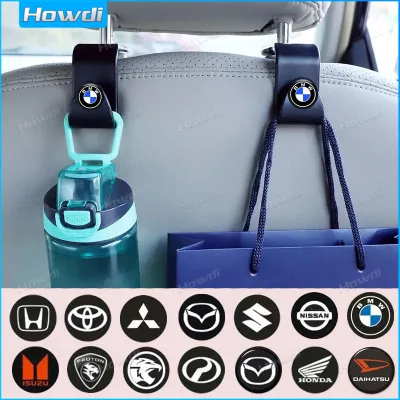
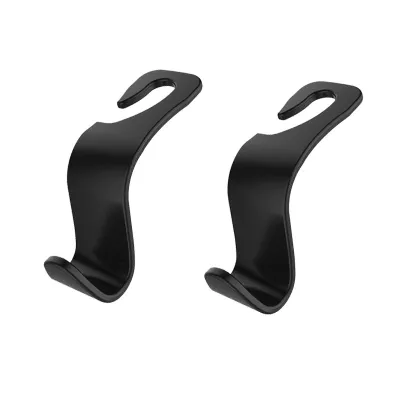
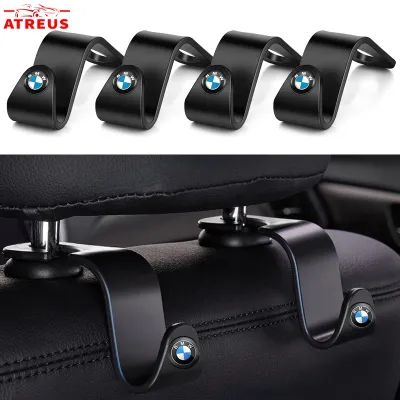
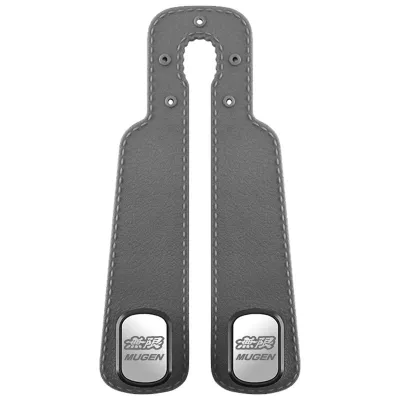
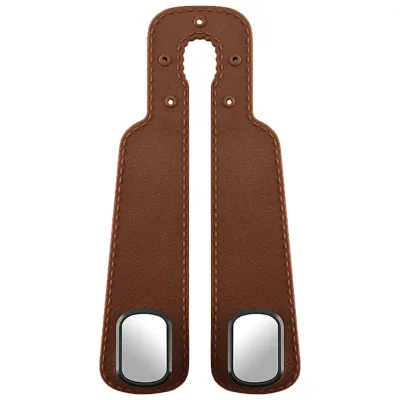
Prices are valid at publication and may change. Please refer to the product page for the latest price.
Distinguishing between temporary transit storage and long-term fixed mounting is crucial. Temporary items, such as a lightweight umbrella or an office lanyard, only require a simple, low-profile hook. Conversely, items that remain mounted throughout your entire journey, such as a mobile device or a GPS unit, demand a highly stable, vibration-resistant holder that secures the item from multiple angles.
You must also assess the typical weight and volume of your items to establish a baseline load requirement. Dashboard surfaces are not engineered to support heavy vertical loads. Hanging a heavy work bag or a full grocery sack from a dashboard-mounted hook can warp plastic panels, peel adhesive backings, or tear delicate soft-touch materials. Always check the manufacturer’s specified weight limits and compare them against the actual weight of your daily gear before making a purchase.
Step 2: Match the Hanger Type to Your Storage Need
Once you have diagnosed your storage pain points, you can match your requirements to a specific category of dashboard hanger. Each type is engineered for distinct weight classes, mounting methods, and item shapes.

Hangers for Clothes and Jackets
If your primary goal is to keep formal wear, jackets, or light sweaters wrinkle-free during your commute, specialized clothing hooks are the standard choice. When evaluating these hangers, look for anti-slip designs, such as rubberized hooks or textured surfaces, which prevent smooth fabrics from sliding off during sharp turns. The mounting mechanism must be robust enough to handle the shifting weight of fabric as the vehicle moves.
Placement is the most critical safety factor for clothing hangers. You must ensure that the hook and the hanging garment do not obstruct your rearview mirror, side windows, or primary driver sightlines. Hanging a long coat on the passenger side of the dashboard might seem convenient, but it can easily block your view of the left side mirror, creating a dangerous blind spot.
Additionally, verify that hanging heavy winter coats or wet jackets will not exceed the mount’s weight limit. In humid climates, a damp jacket absorbs moisture and becomes significantly heavier, which can cause adhesive mounts to detach unexpectedly during transit. Always opt for mechanical or suction-based mounts if you plan to hang heavier garments regularly.
Holders for Bags and Groceries
For those who frequently carry small shopping bags, lunch containers, or handbags, a dedicated bag holder can prevent items from tipping over and spilling onto the floorboards. When shopping for these holders, review the base stability and weight limits specified by the manufacturer. A holder with a wide, reinforced base distributes weight more evenly across the dashboard panel, reducing the risk of structural damage.
Secure placement is essential to prevent heavy items from flying forward during sudden braking or emergency maneuvers. The holder should be positioned in a recessed area or secured with high-grade fasteners that prevent the entire assembly from sliding.
You must also consider the physical footprint of the holder on your dashboard. Large, bulky bag hangers can easily block climate control vents, obscure infotainment screens, or interfere with physical buttons on the center stack. Measure your dashboard’s available flat space and compare it to the product’s dimensions to ensure a clean, unobstructed fit.
Mounts for Phones and Small Accessories
Mobile devices and small accessories like sunglasses or toll transponders require specialized mounts that offer both stability and quick accessibility. Before choosing an adhesive-based mount, inspect your dashboard’s surface texture. Smooth, hard plastics are ideal for adhesive backings, whereas heavily textured, porous, or curved surfaces will not provide enough contact area for a secure bond.
Ensure that the mount’s installation position does not interfere with your instrument cluster visibility, warning lights, or physical control buttons. A mount that blocks your speedometer or oil pressure warning light is a severe safety hazard.
The ideal placement allows for safe, glanceable access without requiring you to look away from the road. Position the mount high enough to keep the device within your peripheral vision, but low enough that it does not protrude into your primary view of the windshield.
Step 3: Verify Dashboard Compatibility and Safety Limits
Before finalizing your purchase, you must verify that the hanger is fully compatible with your vehicle’s specific model, year, and interior materials. Dashboard surfaces vary widely, ranging from premium leather and delicate soft-touch synthetics to rugged, hard plastics. Applying a strong chemical adhesive to a leather or vinyl dashboard can cause permanent discoloration, bubbling, or tearing when the mount is eventually removed. Always cross-reference your vehicle’s documentation with the hanger’s mounting requirements.
Safety must remain your absolute priority when positioning any interior accessory. You must identify and strictly avoid airbag deployment zones. Never place a hanger, hook, or mount on or near the steering wheel hub, the passenger-side dashboard panel marked “SRS Airbag,” or the side pillars. Refer to your vehicle owner’s manual to map out these deployment zones precisely. Any object placed in the path of an expanding airbag will be propelled into the cabin with extreme force, posing a severe risk of injury to occupants.
Furthermore, review the product manual for temperature limits and UV resistance. Cabin temperatures can rise dramatically when a vehicle is parked in direct sunlight, especially in tropical regions. High heat can melt adhesive backings, causing the hanger to slip and leave a sticky, hard-to-clean residue on your dashboard. Look for mounts that utilize high-temperature acrylic adhesives or mechanical suction cups designed to withstand extreme thermal expansion.
When to Skip a Dashboard Hanger Entirely
There are several scenarios where a dashboard-mounted hanger is simply not the right solution for your vehicle. If your dashboard features highly textured, oiled, or delicate leather surfaces, standard adhesives and suction cups will fail to adhere properly or will damage the material. In these cases, forcing a mount onto the surface will only lead to frustration and costly interior repairs.
You should also skip dashboard hangers if the items you need to carry are too heavy, bulky, or awkwardly shaped. Items like heavy backpacks, large grocery loads, or metal tools exceed the safe load-bearing capacity of any dashboard panel. Attempting to secure these items on the dash increases the risk of them becoming dangerous projectiles during a sudden stop or collision.
Instead, explore safer, more practical alternative storage solutions. Headrest hooks that attach to the metal posts of your front seats are excellent for holding heavy grocery bags, backpacks, and wet umbrellas. Seat-back organizers offer multiple pockets for small accessories, while trunk storage systems keep bulky items secure and out of sight. Utilizing these alternative zones keeps your dashboard clean, preserves your vehicle’s resale value, and ensures a safer driving environment.
Frequently Asked Questions (FAQ)
Can I use an adhesive dashboard hanger on a leather or soft-touch dashboard?
It is highly discouraged to apply strong adhesives directly to leather, vinyl, or soft-touch dashboard materials. The chemical solvents in automotive adhesives can react with the dyes and plasticizers in these delicate surfaces, leading to permanent discoloration, peeling, or bubbling. Before applying any adhesive product, consult both your vehicle owner’s manual and the hanger manufacturer’s guidelines. If you must mount an accessory on a delicate dashboard, consider using non-adhesive alternatives such as weighted friction mounts, air vent clips, or specialized protective barrier films designed for clean removal.
Will a dashboard hanger block my view or interfere with airbags?
Yes, an improperly positioned dashboard hanger can easily block critical sightlines or interfere with safety systems. Your lower windshield, side windows, and instrument cluster must remain completely clear of obstructions to ensure safe operation. To prevent interfering with your vehicle’s safety restraint systems, locate the exact passenger and driver airbag deployment zones using the markings in your cabin or your vehicle’s manual. Never place any accessory within these zones, as an inflating airbag will turn the hanger and any attached items into dangerous high-speed projectiles.

Community discussion
Share your experience or ask a question. Comments are reviewed before publication.