
Finding the right dashboard car hooks in Singapore requires balancing convenience with safety and material compatibility. Because our tropical climate can push cabin temperatures past 60 degrees Celsius when parked in open-air lots, standard adhesives often fail, leading to sticky residue or falling items. To choose the best hook for your dashboard, you must evaluate the mounting mechanism, verify the weight limits for your daily essentials, and ensure the placement does not obstruct your view or interfere with safety systems.
Quick Answer: Core Factors for Choosing Dashboard Hooks
When selecting dashboard hooks, the mounting mechanism is your first major decision. Adhesive-backed hooks offer the greatest placement flexibility but depend entirely on the quality of the bonding agent and the texture of your dashboard surface. Alternatively, clip-on hooks, which typically anchor into air vents or seams in the dashboard console, provide a mechanical hold but are limited by the layout of your vehicle’s interior panels.
Checking the manufacturer’s specified weight capacity is essential before hanging items like heavy work bags or grocery sacks. While a small hook might seem sturdy, overloading it can cause sudden adhesive failure, potentially distracting you while driving. For everyday items like face masks, keys, and lightweight charging cables, standard utility hooks are usually sufficient.
Products mentioned in this guide
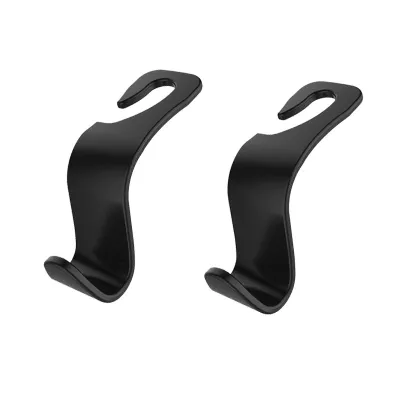
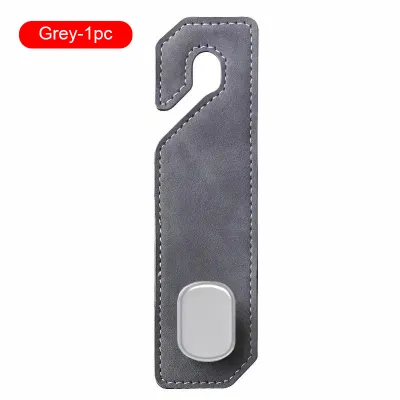
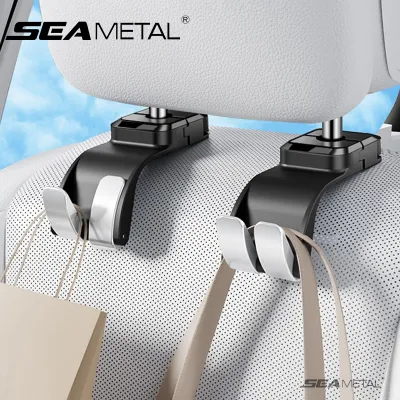
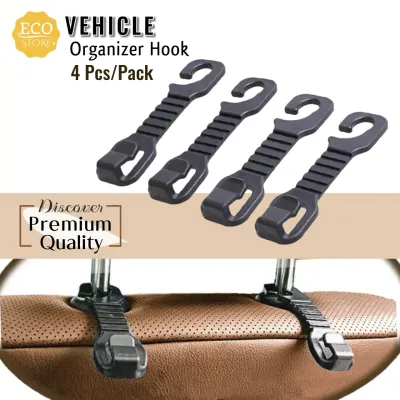
Prices are valid at publication and may change. Please refer to the product page for the latest price.
Your primary consideration must always be safety and visibility. Hooks and the items hanging from them must remain completely clear of the driver’s line of sight and must never be placed within the deployment zones of the passenger or side airbags. Proper placement ensures that your daily essentials remain within reach without compromising your safety on the road.
Evaluation Criteria for Dashboard Storage Hooks
To find a hook that lasts, you must look beyond basic aesthetics and evaluate how the product will perform under local driving conditions.

Material Durability and Heat Resistance Singapore’s intense sun means dashboard accessories face extreme thermal stress. Look for hooks made from high-grade polycarbonate (PC), acrylonitrile butadiene styrene (ABS), or metal alloys. These materials resist warping, cracking, and UV degradation over years of exposure. Avoid cheap, low-grade plastics that quickly become brittle and break under constant heat.
Load-Bearing Specifications Manufacturers typically rate hooks for specific weight thresholds. For dashboard-mounted adhesive hooks, these ratings are often conservative, ranging from 200 grams for light utility hooks to 1.5 kilograms for heavy-duty variants. Never assume a hook can support a full handbag unless the product documentation explicitly states it can handle that load under high-temperature conditions.
Form Factor and Design The physical design of the hook affects both utility and cabin safety:
- Single-peg hooks: Best for minimalist setups, holding a single item like a charging cable or a face mask.
- Multi-tier hooks: Feature multiple prongs or loops, allowing you to separate keys, masks, and small bags on a single mount.
- Foldable designs: Can be pressed flat against the dashboard when not in use, reducing the risk of catching on clothing or hands during cabin movement.
Adhesive Quality and Removability Look for hooks that utilize high-temperature acrylic foam tapes, such as those rated for automotive trim use. These adhesives are formulated to maintain their bond at elevated temperatures while remaining removable without tearing the underlying dashboard material. Avoid generic double-sided foam tapes, which tend to melt into a sticky, difficult-to-remove paste under the tropical sun.
Matching Hook Designs to Your Daily Storage Needs
Selecting the right hook style depends heavily on the specific items you intend to hang and how often you use them.
If you need to hang heavier items like handbags, umbrellas, or packed lunch containers, adhesive dashboard hooks are rarely sufficient on their own. For these needs, look for mechanical clip-on hooks that anchor into dashboard seams, or consider transitioning these heavier loads to headrest-mounted hooks. If you must use a dashboard hook for heavier items, verify that the mounting surface is flat, non-porous, and supported by a wide-base adhesive pad.
For lightweight daily essentials like face masks, sunglasses pouches, and keys, compact single-peg or multi-peg hooks are ideal. These can be mounted on smaller, flat sections of the console. Because the load is minimal, usually under 300 grams, these hooks put very little stress on the adhesive bond, making them highly reliable even in humid weather.
Drivers who value a clean, uncluttered interior should opt for foldable or spring-loaded hooks. These designs remain flush with the dashboard panel when empty, preserving the vehicle’s original aesthetic. When you need to hang an item, you simply press or pull the hook down. This design also prevents accidental damage to the hook when cleaning or wiping down the dashboard.
Safety Boundaries and Dashboard Compatibility Checks
Before installing any dashboard accessory, you must understand the critical safety and material constraints of your vehicle.
Your first step is to identify and avoid passenger airbag deployment zones. Consult your vehicle’s owner’s manual to locate all airbag covers on the dashboard. Never place a hook on or near these areas, as an accessory mounted there can become a dangerous projectile if the airbag deploys. Additionally, ensure that neither the hook nor the hung items block your view of the road, side mirrors, or central infotainment screen.
Dashboard surface materials vary widely, including textured plastics, synthetic leather, genuine leather, and soft-touch vinyl. Adhesives require a smooth, non-porous surface to form a strong chemical bond. Textured surfaces reduce the contact area, leading to premature failure. Furthermore, applying strong adhesives to genuine leather or delicate soft-touch coatings can cause permanent discoloration or peeling when the hook is eventually removed.
If your dashboard is fully wrapped in premium leather or features highly contoured, textured surfaces, do not attempt to install adhesive hooks. Instead, look for alternative storage solutions, such as cup-holder organizers, glovebox organizers, or console side-pockets. Forcing an adhesive hook onto an incompatible surface will only result in damage to your car’s interior.
Proper surface preparation is critical for adhesive longevity. Start by cleaning the mounting area with a mild isopropyl alcohol wipe, verifying first in an inconspicuous spot that the alcohol does not discolor your dashboard material. Allow the surface to dry completely. Apply the hook, pressing firmly for at least 30 seconds to activate the pressure-sensitive adhesive. Crucially, let the adhesive cure for at least 24 hours—ideally parked in a shaded area—before hanging any weight on it.
Purchasing Checklist and Verification Steps
To ensure you select a safe, durable, and compatible dashboard hook, use this checklist when browsing e-commerce platforms or local automotive accessory shops:
- Verify the adhesive type: Look for product descriptions that explicitly mention high-temperature or automotive-grade acrylic adhesives.
- Check the dimensions: Measure the flat areas on your dashboard to ensure the hook's base plate will fit without overlapping seams, curves, or buttons.
- Confirm weight ratings: Ensure the manufacturer's rated capacity matches or exceeds the weight of the items you plan to hang.
- Review the return policy: Choose sellers that offer clear return or exchange policies in case the hook does not fit your vehicle's specific dashboard geometry.
- Inspect the material: Opt for ABS, polycarbonate, or metal over cheap, brittle plastics to ensure long-term durability under the sun.
Frequently Asked Questions (FAQ)
Can dashboard hooks damage leather or soft-touch interiors?
Yes, standard high-strength adhesives can cause significant damage to delicate dashboard materials. Standard double-sided foam tapes often use aggressive solvents that can chemically bond with or dissolve soft-touch coatings and leather finishes. When you attempt to peel the hook off, it can tear the surface layer away, leaving an unsightly patch. To mitigate this risk, only use hooks with specialized, residue-free automotive adhesives, or avoid adhesive mounts entirely on leather surfaces, opting instead for clip-on accessories that attach to hard plastic trim or vents.
How do I safely remove a dashboard hook without leaving residue?
To remove an adhesive hook safely, you must soften the adhesive bond before applying any pulling force. Use a hair dryer on a low-heat setting to gently warm the base of the hook; avoid excessive heat, which can warp plastic dashboard panels or damage internal electronics. Once the adhesive is warm and pliable, use a piece of dental floss or high-strength fishing line to gently saw through the adhesive layer behind the hook. Any remaining residue can be cleaned using a dedicated automotive adhesive remover or a mild citrus-based cleaner applied to a microfiber cloth. Always test the cleaner on a hidden area first to ensure it does not discolor the plastic.
Are there legal restrictions on dashboard accessories in Singapore?
In Singapore, the Land Transport Authority (LTA) maintains strict regulations regarding driver visibility and vehicle safety. Any accessory mounted on the dashboard must not obstruct the driver’s forward view of the road or block the view of the side mirrors. If a hook or the items hanging from it are deemed to impair your line of sight, you could face penalties for driving an unsafe vehicle. Additionally, accessories must not interfere with the proper operation of safety systems, including airbags and driver-monitoring sensors. Always position your hooks low on the console and away from the windshield area to remain compliant and safe.
Community discussion
Share your experience or ask a question. Comments are reviewed before publication.