
Choosing a crash bar for your Vespa GTS requires balancing impact protection with the scooter’s unique monocoque chassis design and daily usability. Rather than relying on universal fitment claims, you must verify generation-specific mounting points, evaluate material trade-offs, and ensure the design distributes force safely without interfering with critical components. Because installing aftermarket protection alters your vehicle’s external dimensions and mounting points, always consult your Vespa owner’s manual and consider professional installation to ensure the modification complies with local road safety regulations and does not compromise structural integrity.
Verify Exact Model Fitment and Generation
The Vespa GTS has undergone several subtle design evolutions since its introduction. Models like the GTS 250, GTS 300, Super, Tech, and the newer HPE and HPE2 variants feature distinct differences in bodywork, horn covers, and exhaust routing. A crash bar designed for an older model year may not clear the updated body panels or exhaust heat shields of a newer generation.
Before purchasing, identify your exact GTS sub-model and manufacturing year. Check the mounting point compatibility, distinguishing between frame-mounted and body-panel-mounted designs. Some bars attach near the passenger footpegs and the rear license plate bracket, while others mount closer to the floorboards.
Products mentioned in this guide
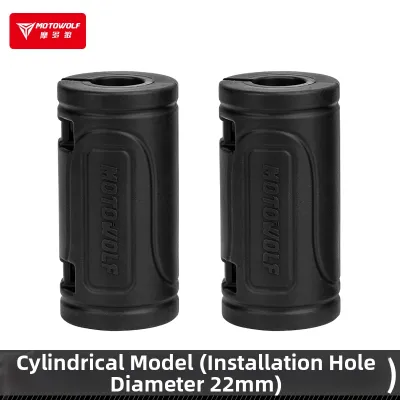
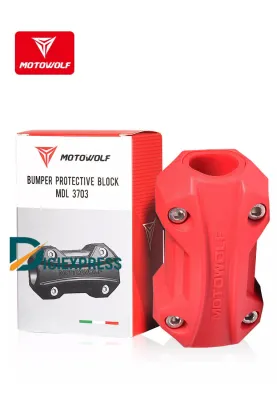
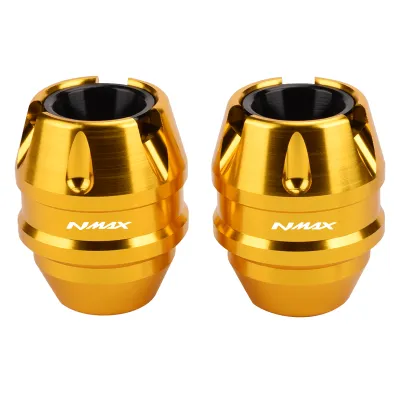
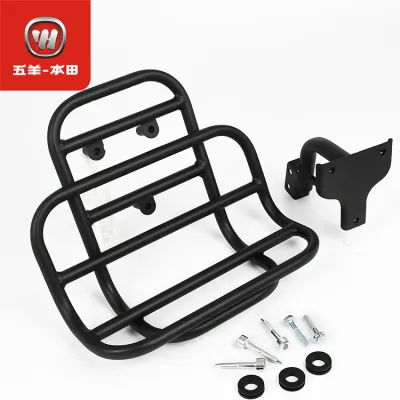
Prices are valid at publication and may change. Please refer to the product page for the latest price.
Verify physical clearance for existing aftermarket parts. If you have installed a custom slip-on exhaust, a center stand bypass, or aftermarket leg shield protectors, these components can easily conflict with the routing of standard crash bars. Always review the manufacturer’s official fitment charts and cross-reference your scooter’s frame prefix rather than relying solely on generic online category keywords.
Evaluate Material Strength and Weight Trade-offs
Material selection directly impacts both the protection level and the handling characteristics of your Vespa GTS. Steel is the most common choice, offering high impact resistance and robust structural protection. However, steel is heavy and susceptible to rust. In Singapore’s highly humid and tropical climate, the quality of the powder-coating, chrome plating, or paint finish is critical. Any scratch in a low-quality finish can quickly lead to corrosion that weakens the bar over time.

Aluminum options provide a lightweight, corrosion-resistant alternative. While aluminum will not rust, it is generally softer than steel. Under a severe impact, an aluminum bar may bend more easily or transfer more force directly to the mounting points on the frame.
When comparing options, review the manufacturer’s specifications for tube diameter and wall thickness to gauge structural rigidity. Keep in mind that adding heavy steel bars, especially high-mounted rear guards, adds unsprung weight and can slightly alter the scooter’s center of gravity, affecting low-speed maneuvering and parking ease.
Assess Mounting Design and Force Distribution
Because the Vespa GTS features a steel monocoque chassis rather than a traditional tubular frame, how a crash bar mounts is critical to preventing localized damage. A poorly designed bar that clamps directly onto thin sheet metal panels can actually cause more damage during a minor tip-over by transferring the impact force directly into the bodywork, resulting in expensive dent repairs.
Prioritize multi-point mounting systems that spread impact energy across a wider, structurally reinforced area of the frame. Look for kits that include vibration-dampening rubber bushings or precision spacers. These components prevent metal-on-metal contact, which can strip the scooter’s paint and invite rust, while also reducing engine vibration transfer to the bars.
Avoid designs that rely on single-point attachments or clamp onto non-structural body panels. During installation, it is vital to follow specific torque specifications to avoid stripping the threads in the aluminum engine casing or frame mounts. If you are unsure of the correct torque values or lack the proper tools, seek qualified professional installation to ensure the bars are mounted safely.
Check Protection Coverage and Practical Clearances
A functional crash bar must shield critical components without interfering with daily riding, parking, and maintenance. Evaluate the coverage zones of the bars you are considering. Front mudguard guards should protect the front fender, while side panel protectors should extend far enough to shield the vulnerable painted rear flanks and the exhaust heat shield from ground contact.
Check ground clearance and lean angle limitations. A poorly designed or overly wide crash bar can scrape against the asphalt during tight cornering or when navigating steep parking ramps and driveways, posing a safety hazard.
Confirm that the design allows easy access for routine maintenance tasks. You should not have to disassemble the entire crash bar system just to perform an oil change, check the spark plug, or access the battery compartment. Additionally, ensure the front bar does not obstruct the steering lock mechanism or limit the handlebar’s full turning radius, which is vital for safe navigation and parking.
Frequently Asked Questions (FAQ)
Do I need to modify the Vespa GTS bodywork to install a crash bar?
Most high-quality crash bars are designed to utilize existing frame mounting points, such as the passenger footpeg mounts, floorboard bolts, or license plate brackets, requiring no permanent modification to your Vespa’s bodywork. However, some aggressive or heavy-duty designs may require minor trimming of the inner leg shield or lower plastic fairings. Always check the product’s installation manual before purchasing to understand if drilling or cutting is required.
Will adding a crash bar affect the handling or top speed of my Vespa GTS?
Adding a crash bar introduces a small amount of weight, typically ranging from 3 to 6 kilograms depending on the material and coverage. This added weight has a negligible effect on the top speed or acceleration of a 300cc-class scooter. However, the extra weight can slightly alter the scooter’s balance. Riders should check their suspension preload settings, especially if they frequently carry a passenger or heavy cargo, to maintain optimal handling and ground clearance.

Community discussion
Share your experience or ask a question. Comments are reviewed before publication.