
There is no single universal solution when it comes to protecting your motorcycle from damage; the right choice depends on your bike’s fairing design, your typical riding environment, and how much weight you are willing to add. If you ride a sportbike in urban environments, lightweight frame sliders might offer the ideal balance of low-profile slide protection. Adventure riders tackling rough terrain will benefit more from heavy-duty crash bars and engine guards that shield vital components from impact. Evaluating these options requires looking closely at how each type of guard mounts, where it distributes impact forces, and how it affects your motorcycle’s handling. By understanding the structural differences and practical trade-offs of each system, you can make an informed decision that keeps your motorcycle safe without compromising its performance.
Understanding Your Motorcycle Bumper Options
To choose the right protection, you must first understand the structural and functional differences between the three main types of motorcycle bumpers. Each option is engineered to address specific types of impacts and protect different areas of the motorcycle.
Crash bars are tubular steel or aluminum structures that bolt directly to the motorcycle’s frame. They extend outward and upward, creating a protective cage around the engine cases, radiator, and plastic fairings. This design is highly common on adventure, touring, and cruiser motorcycles where drop protection for expensive bodywork is a priority. Because they cover a large surface area, they are highly effective at keeping the entire side of the motorcycle off the ground during a stationary tip-over or low-speed fall.
Products mentioned in this guide
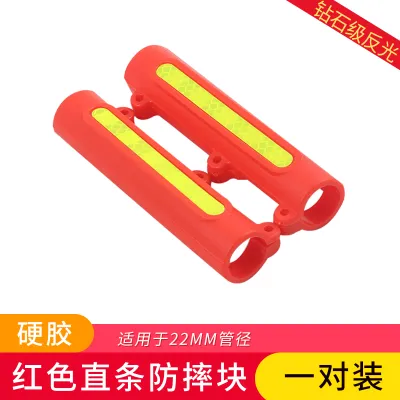
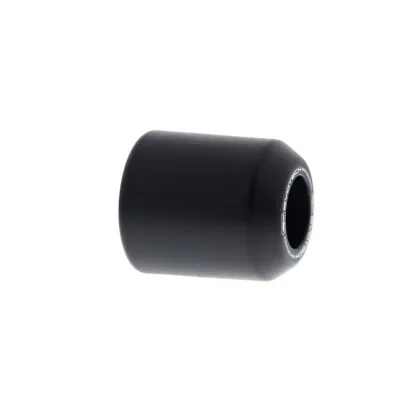
Prices are valid at publication and may change. Please refer to the product page for the latest price.
Frame sliders are compact, cylindrical pucks typically made of high-density polymers like Delrin or nylon. They mount directly to the engine mounts or main frame bolts, protruding just past the widest part of the fairings. Their primary job is to keep the motorcycle’s expensive fairings and tank elevated off the ground during a slide, sliding smoothly along the asphalt to minimize structural grab. They are designed to sacrifice themselves by wearing down during a slide, absorbing friction and impact energy.
Engine guards, also known as skid plates or lower case savers, are designed specifically to shield the lower engine casing, oil filter, and exhaust headers from direct impacts. They are typically made of thick aluminum or steel plates and are mounted low on the frame, making them essential for off-road riding or navigating high speed bumps. Unlike crash bars, they do not protect upper fairings, but they provide critical defense against debris thrown up by the front tire.
Key Comparison Dimensions for Motorcycle Protection
Choosing between these systems involves weighing several practical trade-offs. You must balance the physical coverage they offer against their weight, aerodynamic drag, and installation requirements to determine which aligns with your priorities.

Protection Coverage and Impact Absorption
Crash bars offer the most comprehensive coverage of the three options. By extending outward, they create a physical buffer zone that keeps the entire side of the motorcycle from contacting the ground. However, because they are large and rigid, a severe impact can transfer significant leverage forces to the frame mounting points. If the bars do not deform as intended, this transferred energy can potentially bend the frame or damage the mounting threads.
Frame sliders provide localized protection that is highly effective at preventing cosmetic damage during low-speed drops or controlled slides on flat pavement. Because they project outward from a single bolt, a high-speed catch on a curb or pothole can exert immense bending force on the engine mount bolt. In extreme cases, this can crack the engine case or bend the frame, making them less suitable for rough or uneven terrain.
Engine guards focus entirely on the underside and lower sides of the engine block. They do not protect upper fairings or handlebars, but they excel at absorbing direct, blunt impacts from rocks or road debris. They disperse energy across the lower frame rails, protecting fragile cast-alloy engine cases from cracking. This localized protection is vital for preserving the mechanical integrity of the engine’s oil pan and cooling lines.
Weight, Clearance, and Handling Impact
Adding protection inevitably alters your motorcycle’s physical dynamics and handling characteristics. Heavy steel crash bars can add significant weight, often positioned relatively high on the bike’s chassis. This extra mass can raise the center of gravity, making the motorcycle feel heavier during low-speed maneuvers or quick transitions.
Frame sliders are lightweight and have a minimal footprint, meaning they do not noticeably alter the bike’s center of gravity or aerodynamics. However, riders must ensure that the slider’s protrusion does not interfere with their knees or restrict the maximum lean angle during aggressive cornering. On some sport models, poorly positioned sliders can catch on the rider’s gear or limit foot movement.
Engine guards add weight very low on the frame, which has a negligible effect on handling but can slightly reduce ground clearance. On cruiser or adventure models, a thick skid plate might reduce the clearance needed to clear high curbs or deep ruts, requiring careful line selection when riding over obstacles.
Installation Complexity and Fairing Modification
Installing these protective components varies widely in difficulty and may require modifying your motorcycle’s original components. Many crash bars and engine guards are designed as direct bolt-on accessories that utilize existing frame holes. However, tight tolerances around radiators and exhaust pipes can make the installation process tedious, often requiring temporary removal of other components.
Frame sliders sometimes require modifying the motorcycle’s plastic fairings to access the engine mount bolts. “No-cut” sliders use offset brackets to route around the plastic, but these brackets can be weaker than direct-mount options and may bend more easily during an impact. “Cut” sliders require drilling precise holes directly through expensive fairings, which demands specialized tools and careful measurement to avoid ruining the bodywork.
Before purchasing any protection system, always consult the manufacturer’s installation manual to understand the exact requirements. If the installation requires structural modifications, specialized torque wrenches, or fairing modifications that you are uncomfortable performing, seek assistance from a qualified professional mechanic. Ensuring the components are torqued to the original vehicle specifications is critical for maintaining structural safety.
Matching Protection to Your Riding Conditions
Your typical riding environment is the most important factor in determining which protection style to choose. For urban commuting, where tight spaces and lane-filtering are common, a wide set of crash bars can make navigating traffic difficult. In these dense environments, compact frame sliders or low-profile engine case covers offer sufficient protection against low-speed tip-overs without widening the bike’s profile.
Highway touring and long-distance riding present different challenges, such as high-speed slides or drops on remote roads. Here, robust crash bars provide peace of mind by protecting both the engine and the fairings, ensuring the bike remains ridable after a minor mishap. The added weight is less of a concern on open highways where steady-state cruising dominates.
For adventure riding and off-road exploring, a combination of lower engine guards and upper crash bars is often necessary. Off-road drops frequently occur on uneven terrain where rocks and branches can bypass high-mounted sliders. A rugged skid plate protects the oil pan from flying stones, while crash bars keep the radiator and fuel tank safe from side impacts.
Verifying Fitment and Safety Before Purchase
Never assume a protective accessory will fit your motorcycle based solely on a generic product category or broad model name. Manufacturers frequently update frame geometries, engine mount locations, and fairing designs between model years. Always cross-reference the exact year, make, model, and trim of your motorcycle with the accessory manufacturer’s official fitment charts to ensure compatibility.
After installing any new protection gear, perform a thorough safety check before riding. Turn the handlebars fully from lock to lock to ensure the bars or sliders do not pinch control cables, strike the front fender, or restrict steering movement. Check that your boots have clear access to the gear shifter and rear brake pedal without interference, and verify that the installation does not compress or redirect wiring harnesses, fuel lines, or coolant hoses.
If you notice any clearance issues, or if the mounting brackets require forcing or bending to line up with your frame, stop the installation immediately. Consult a qualified mechanic or contact the manufacturer directly to verify compatibility before operating the motorcycle. Riding with improperly fitted protection can compromise your motorcycle’s handling, restrict suspension travel, or even cause a crash if the components interfere with moving parts.
Decision Framework: Choosing the Right Bumper
To finalize your choice, evaluate your motorcycle’s design, your primary riding environment, and your protection goals. Choose crash bars if you ride an adventure, touring, or cruiser motorcycle, prioritize maximum cosmetic and structural protection, and do not mind the added weight or wider profile. This option is ideal for riders who want comprehensive coverage for both the engine and upper bodywork.
Choose frame sliders if you ride a sport or naked motorcycle, want to preserve a sleek and lightweight profile, and primarily want to protect the frame and engine from sliding damage on paved surfaces. Ensure you are comfortable with either drilling your fairings or using offset brackets, and verify that the sliders do not restrict your cornering clearance.
Choose engine guards or skid plates if your primary concern is protecting the underside of your engine from road debris, speed bumps, or off-road obstacles. This is the logical choice for adventure bikes, dual-sports, and low-slung cruisers that frequently encounter uneven surfaces or gravel roads.
Before making a final purchase, check if your motorcycle features unique frame geometry, active aerodynamics, specialized fairing mounts, or integrated rider aids. Some modern bikes have sensors or electronic suspension components near common mounting points that could be obstructed or damaged by aftermarket guards.
Frequently Asked Questions (FAQ)
Can I install crash bars and frame sliders at the same time?
In many cases, you can install both systems simultaneously, provided they do not share the same mounting points on the frame. However, you must carefully check for physical interference between the bars and the sliders. If they are positioned too close together, they can contact each other during a crash, transferring excessive force to a single area of the frame or preventing the crash bars from flexing as designed. Additionally, ensure the combined weight of both systems does not negatively impact your motorcycle’s handling or exceed the manufacturer’s load recommendations.
How do I inspect my motorcycle bumper after a minor drop?
After any drop or impact, perform a detailed visual inspection of your protective gear before riding again. Check frame sliders for deep gouges, flat spots, or hairline cracks in the polymer puck, and inspect crash bars for bent tubing, cracked welds, or flaking paint, which indicates metal fatigue. Examine all mounting bolts for signs of stretching, bending, or thread damage, and inspect the frame mounting points for stress marks or deformation. Always replace any compromised components, brackets, or mounting hardware rather than attempting to straighten or reuse them, as their structural integrity will be significantly reduced.
Community discussion
Share your experience or ask a question. Comments are reviewed before publication.