
Choosing the right car wipe is one of the most critical decisions you can make for your vehicle’s aesthetic maintenance. While a generic cloth might seem sufficient for wiping down a dashboard or drying a hood, using the wrong fabric can quickly lead to micro-marring, swirl marks, and permanent clear coat damage. To protect your vehicle’s surfaces, you must understand how fabric weight, measured in Grams per Square Meter (GSM), and material composition dictate a cloth’s performance, absorbency, and safety.
Every detailing task requires a specific tool. A plush, heavy cloth designed to buff away wax will perform poorly on glass, leaving behind streaks and lint. Conversely, a thin, flat-weave cloth meant for windows can easily scratch delicate exterior paint if used to dry the bodywork. By learning to read manufacturer labels, inspecting your tools before use, and establishing a strict workflow to prevent cross-contamination, you can maintain a flawless, scratch-free finish on every surface of your vehicle.
Decoding GSM and Material Blends on the Label
To select the ideal car wipe, you must first understand the technical specifications printed on the product packaging or manufacturer labels. The most prominent specification you will encounter is GSM, which stands for Grams per Square Meter. This metric measures the density and weight of the fabric. In practical terms, GSM indicates how thick, plush, and absorbent a microfiber cloth is. A lower GSM number means the cloth is thin, lightweight, and has shorter fibers, while a higher GSM number indicates a thick, heavy cloth with longer, denser loops that can hold significant amounts of water.
Products mentioned in this guide
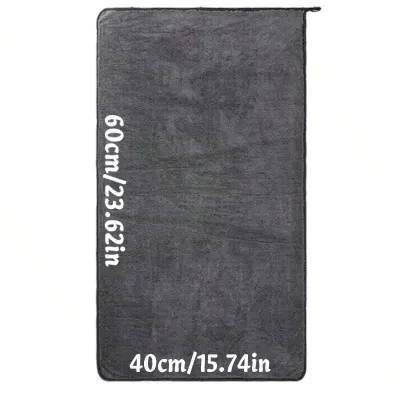
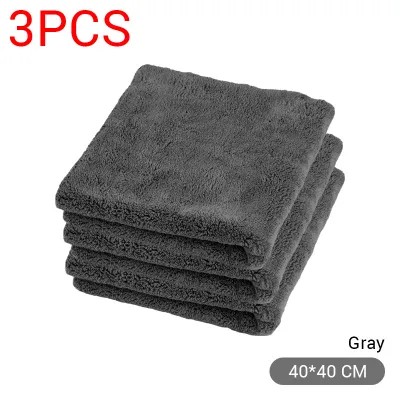
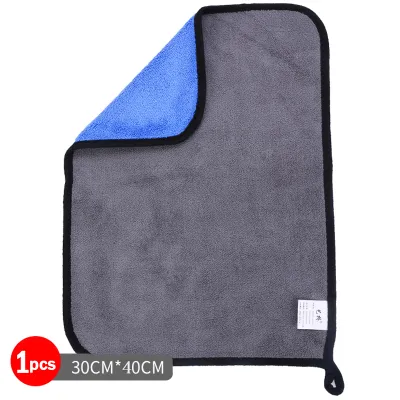
Prices are valid at publication and may change. Please refer to the product page for the latest price.
Beyond weight, you must evaluate the material blend, which is typically expressed as a ratio of polyester to polyamide. Polyester is a strong, durable synthetic fiber that provides the structural framework of the cloth and excels at scrubbing and sweeping away dirt. Polyamide, on the other hand, is highly absorbent, incredibly soft, and carries a natural static charge that attracts and holds dust particles.
Most automotive microfiber cloths feature one of two common blend ratios:
- 80/20 Blend (80% Polyester / 20% Polyamide): This is the standard utility blend. It is durable, cost-effective, and highly resilient, making it excellent for general cleaning, interior dusting, and scrubbing tougher areas like wheels and door jambs.
- 70/30 Blend (70% Polyester / 30% Polyamide): This is a premium blend. The higher concentration of polyamide makes the cloth significantly softer, more absorbent, and safer for delicate surfaces. This blend is highly recommended for drying exterior paint, buffing off waxes, and performing quick detailer wipe-downs.
When shopping for a car wipe, always look for these specifications on the packaging, sewn-in tags, or online product descriptions. If a manufacturer does not disclose the GSM or the blend ratio, it is best to assume the cloth is a low-cost utility towel. These generic cloths are often unsuitable for delicate clear coats and should be reserved for non-sensitive cleaning tasks.
Matching Cloth Characteristics to Vehicle Surfaces
Different areas of your vehicle present unique cleaning challenges and vulnerability levels. To prevent surface damage, you must match the physical characteristics of your car wipe to the specific surface you are cleaning.

Exterior Paint and Clear Coat
Your vehicle’s exterior paint is covered by a thin clear coat that is highly susceptible to fine scratches and swirl marks. To safely clean and dry this surface, you need a high-plush, higher-GSM cloth, typically ranging from 400 to 600+ GSM. The long, dense fibers of a high-GSM cloth provide a thick cushion that lifts dirt particles away from the paint and traps them deep within the pile, preventing them from dragging across the surface.
Additionally, look for physical design features that minimize scratch risks. Edgeless cloths, which feature laser-cut borders instead of stitched edges, are highly preferred. If the cloth does have borders, ensure they are wrapped in soft silk or microfiber banding. Standard polyester stitching on the edges of a cloth can harden over time and cause fine scratches on your paint.
Glass and Mirrors
Glass surfaces require optical clarity and a completely streak-free finish. High-plush, high-GSM cloths are poorly suited for glass because their long fibers hold too much moisture and can leave behind tiny lint particles. Instead, opt for a lower-GSM cloth (around 200 to 300 GSM) featuring a tight, specialized weave.
A waffle-weave pattern is the industry standard for automotive glass. The raised ridges of the waffle pattern trap glass cleaner and lift away road grime, while the flat pockets allow the cloth to glide smoothly across the glass without dragging. This design ensures that moisture is absorbed quickly and evenly, leaving behind no streaks, smudges, or lint.
Interior Surfaces
Your car’s interior is a complex mix of materials, including textured plastics, delicate infotainment screens, polished wood trim, and leather upholstery. For general interior detailing, a medium-density weave of approximately 300 to 350 GSM is the most versatile choice.
This medium weight provides enough scrubbing power to lift dust, fingerprints, and light grime from dashboards and console panels without leaving behind excessive fiber residue. When cleaning delicate infotainment screens or instrument clusters, ensure the cloth is completely clean and dry, using light pressure to avoid scratching the soft plastic displays.
Wheels and Engine Bays
Wheels, exhaust tips, and engine bays are the dirtiest parts of any vehicle. They accumulate highly abrasive contaminants, including metallic brake dust, road tar, grease, and heavy road grime.
Never use your premium, high-GSM paint cloths on these areas. Instead, designate lower-GSM utility cloths (200 to 300 GSM) specifically for these heavy-soiled zones. Using dedicated, lower-cost cloths for these areas ensures that you can clean away grease and brake dust effectively without worrying about ruining your expensive paint-buffing towels.
Inspecting and Maintaining Your Microfiber Cloths
Even the highest-quality car wipe can cause severe scratches if it is poorly maintained or contaminated with debris. Establishing a routine for inspecting and washing your cloths is essential to preserve their performance and protect your vehicle over time.
Pre-Use Visual and Tactile Inspections
Before any cloth touches your vehicle’s paint, perform a quick visual and physical inspection. Run your clean hands over both sides of the fabric to feel for any stiff spots, hardened edges, or embedded debris.
Microfiber is designed to grab and hold onto particles, which means it can easily trap small twigs, dried leaves, or tiny pebbles if dropped on the ground or stored in an open bin. If you detect any embedded debris that cannot be easily picked out, immediately retire that cloth from paint duty. Additionally, always cut off any paper or plastic manufacturer tags before using a new cloth, as these hard edges will easily scratch your clear coat.
Washing Rules and Fiber Care
Microfiber is made of synthetic polymers that require specific care to prevent the fibers from melting, clogging, or degrading. To maintain your cloths in peak condition, adhere to the following washing guidelines:
- Use Dedicated Detergents: Wash your cloths with a dedicated microfiber restorer or a mild, scent-free liquid detergent. Avoid powder detergents, as un-dissolved powder granules can lodge themselves inside the fibers and scratch your paint during the next use.
- Strictly Avoid Fabric Softeners: Never use fabric softeners or dryer sheets. These products coat the microscopic fibers in a chemical film, clogging the pores of the material and completely destroying its ability to absorb water and attract dust.
- Never Use Bleach: Bleach will rapidly degrade the polyester and polyamide fibers, causing them to break down, shed lint, and lose their softness.
- Dry with Low Heat: Air-drying is the safest method for microfiber. If you use a dryer, select a low-heat or no-heat setting. High heat will actually melt the microscopic plastic tips of the fibers, turning a soft, plush cloth into a rough, scratchy rag that is unsafe for automotive paint.
Separating Cloths by Task
To prevent cross-contamination, you must separate your cloths during both use and laundering. Never wash your heavily soiled wheel and engine bay cloths in the same load as your delicate paint-drying or glass-cleaning towels. Washing them together allows grease, oil, and abrasive brake dust particles to transfer onto your clean paint cloths, rendering them unsafe for future detailing work. Store your clean cloths in closed plastic bins, sorted by color or task, to keep them free of airborne dust and garage grime.
Frequently Asked Questions (FAQ)
Can I use the same microfiber cloth for my car's paint and wheels?
No, you should never use the same cloth for both your paint and your wheels. Wheels accumulate highly abrasive metallic brake dust and road grime. These sharp particles embed themselves deep within the microfiber pores and are extremely difficult to wash out completely. If you reuse that same cloth on your car’s paint, those trapped particles will act like sandpaper, causing severe swirl marks and deep scratches in your clear coat. Implement a strict color-coding system—such as blue cloths for paint, yellow for interiors, and black or grey for wheels—to ensure your detailing tools are never mixed up.
How do I know if a microfiber cloth is no longer safe for my car's paint?
You can identify a degraded cloth through several physical indicators. If the fibers feel stiff, matted, or rough to the touch, or if the cloth has lost its water absorbency, it is no longer safe for delicate paint. Frayed edges, loose stitching, or persistent stains that do not wash out are also clear signs of wear. Instead of discarding these worn cloths, downgrade them to less sensitive tasks, such as cleaning wheels, engine bays, door jambs, or general household chores.

Community discussion
Share your experience or ask a question. Comments are reviewed before publication.